Trees for bonsai (pine)
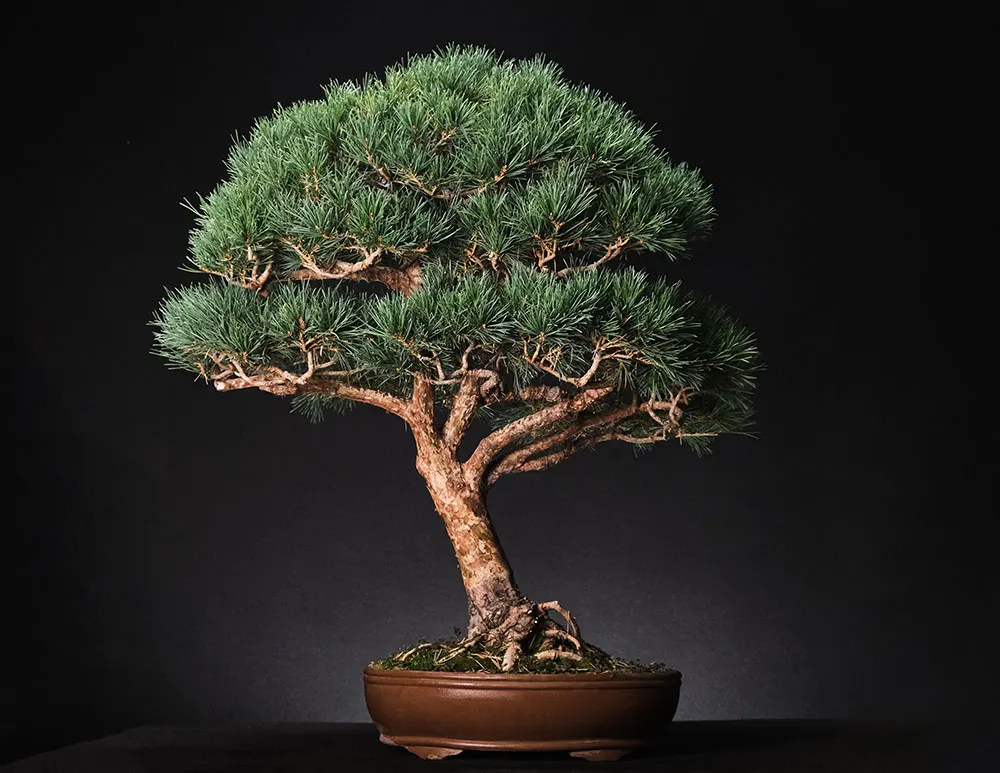
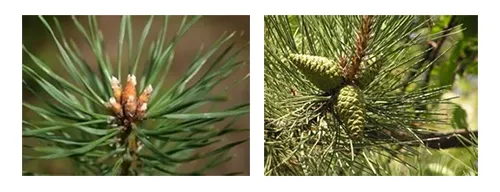
Pine is an evergreen conifer of the pine family. It grows up to 50 meters tall and lives 300–1000 years. The bark is deeply furrowed on the trunk and flakes off in plates on the branches. It renews its needles once every 2–3 years. It has a strong root system and is drought- and frost-hardy. It is a light-loving tree that cannot tolerate shade, and it grows in both rich and poor, stony soil. It is found even in peat bogs.
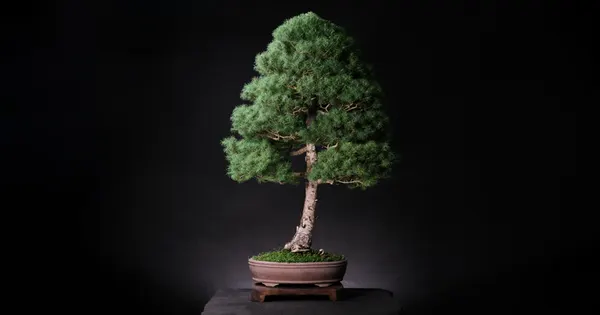
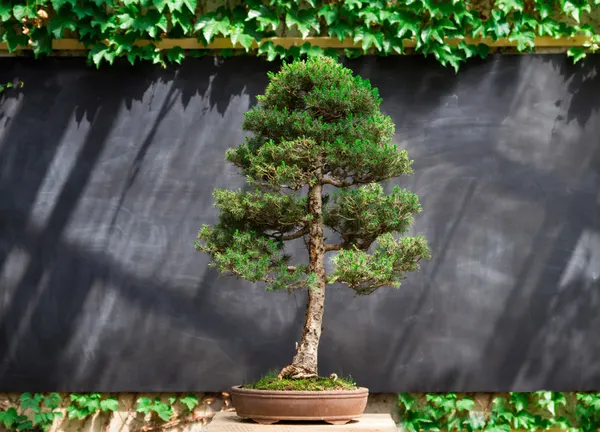
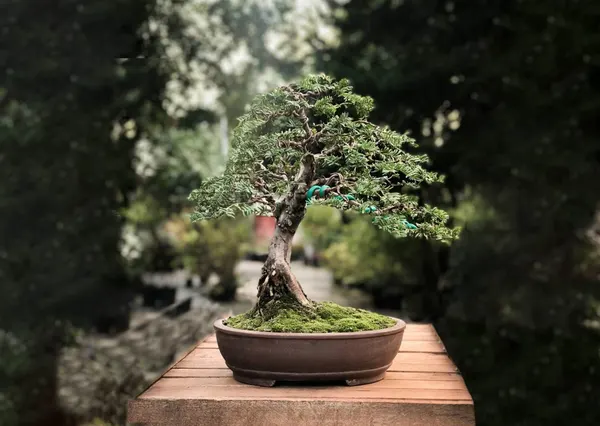
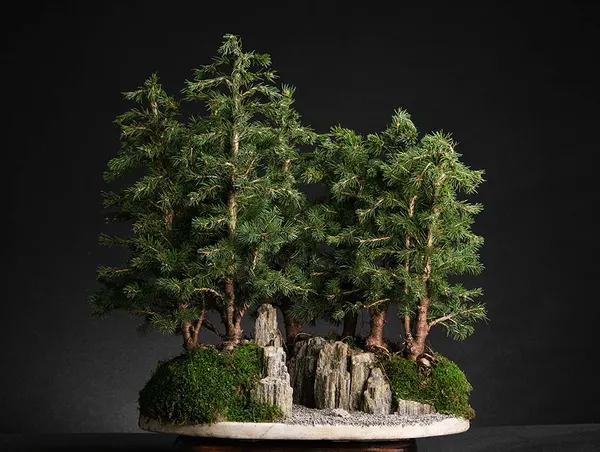
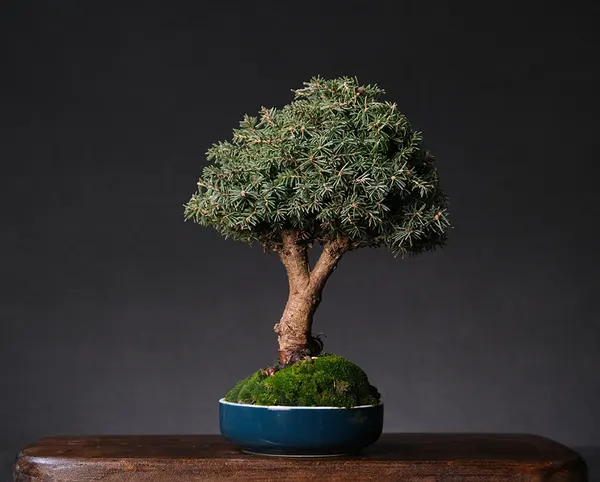
Four species grow in Georgia: Caucasian or Sosnowsky’s pine (Pinus sosnowskyi), Pitsunda pine, Eldar pine (Pinus eldarica) and Koch’s pine (Pinus Kochiana). Pine is one of the most popular trees for bonsai, both in Japan and in the rest of the world. Pine is considered a classic bonsai tree, even though styling and caring for it is not all that easy. The most popular species for bonsai are Japanese red pine (Pinus densiflora), mountain pine (Pinus mugo), Japanese white pine (Pinus parviflora) and stone (Italian) pine (Pinus pinea).
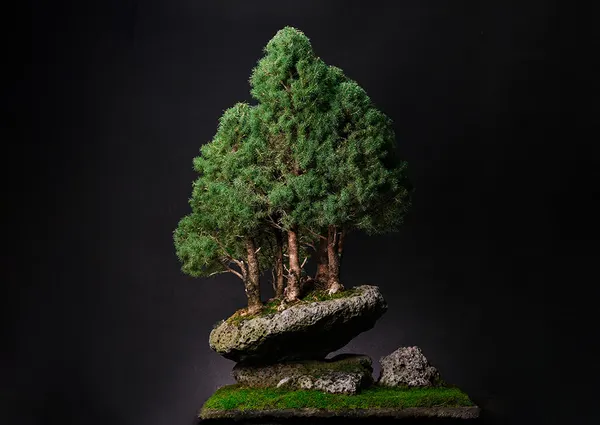
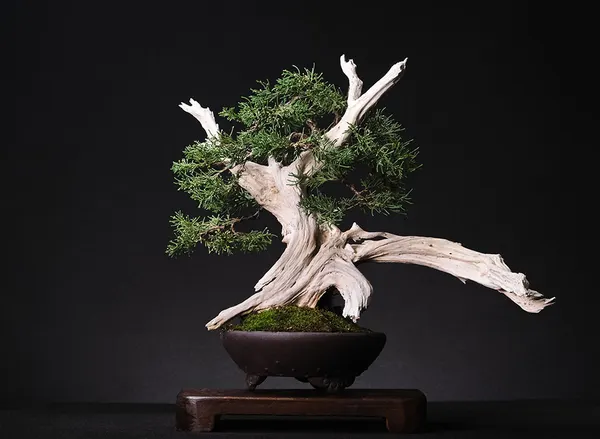
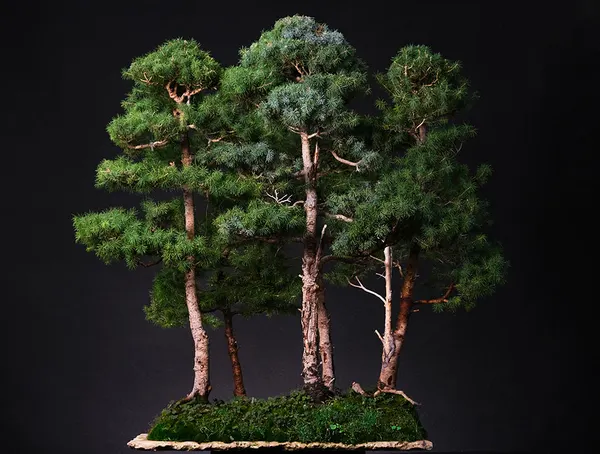
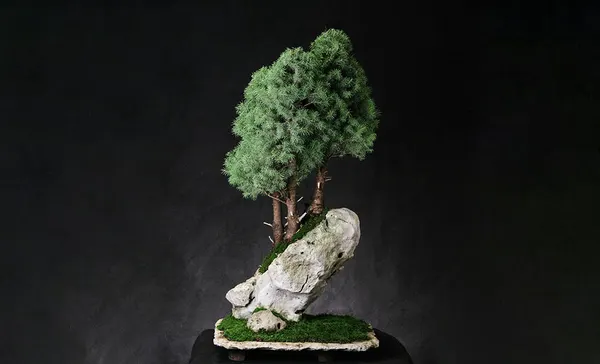
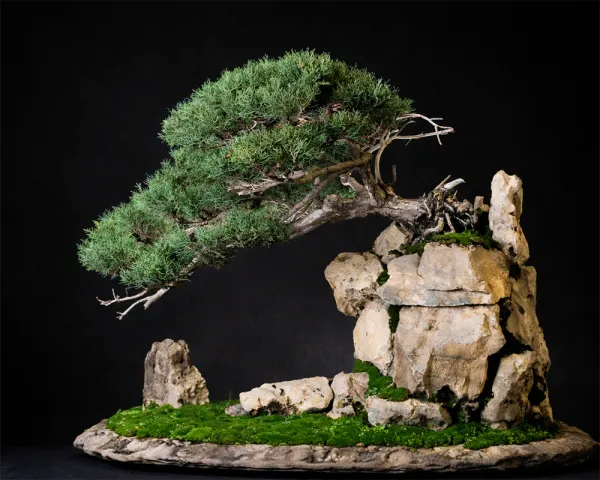
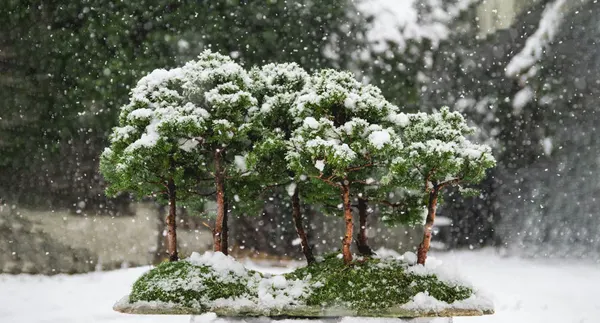
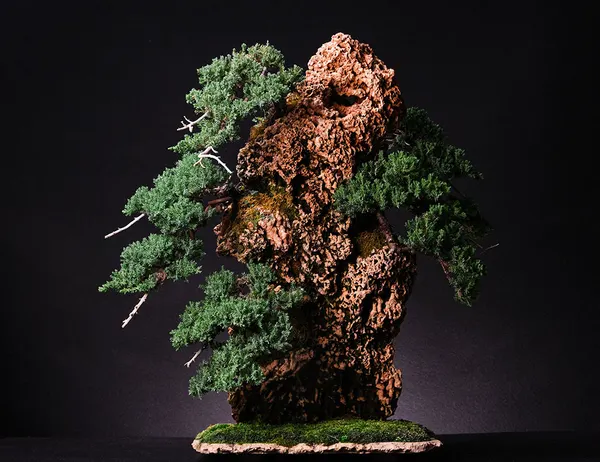
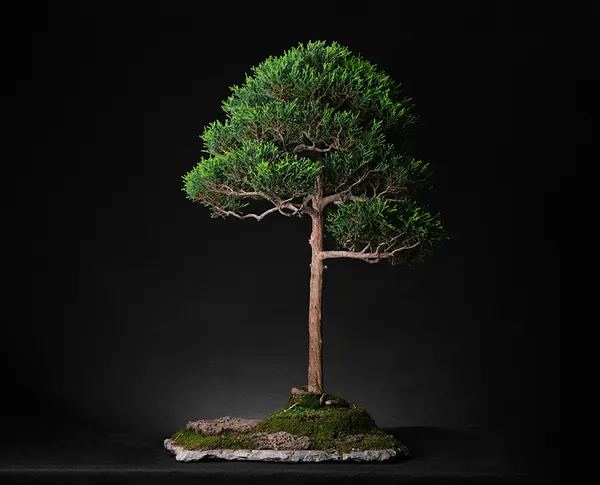
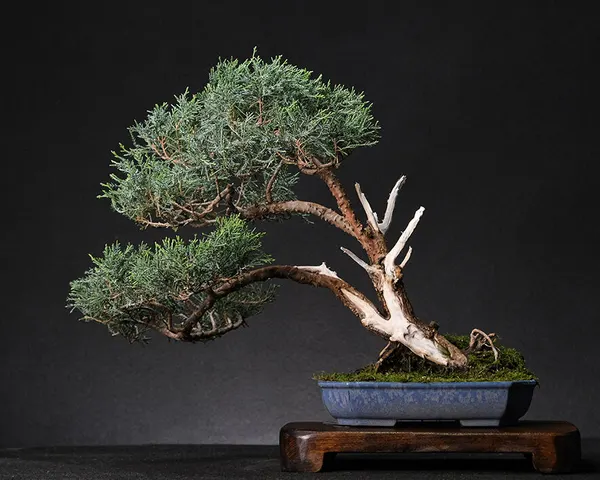
Pine bonsai are most often created in the following styles: Chokkan (直幹), Shakan (斜幹), Moyogi (模様木), Netsuranari (根 連 な り), Ikadabuki (筏吹き), Han-kengai (半懸崖)
Placement: In spring, summer and autumn a pine needs as much sunlight as possible. When light is lacking, the needles grow long and the shaded branches die back. In winter, during hard frosts, it is advisable to protect the roots from freezing.
Watering: No species of pine likes constantly wet soil. But in spring and summer the soil in the pot should still never dry out completely. Water moderately.
Fertilizer: Apply a low-nitrogen fertilizer once in spring, and continue with a balanced fertilizer later, only after the newly emerged needles have hardened off.
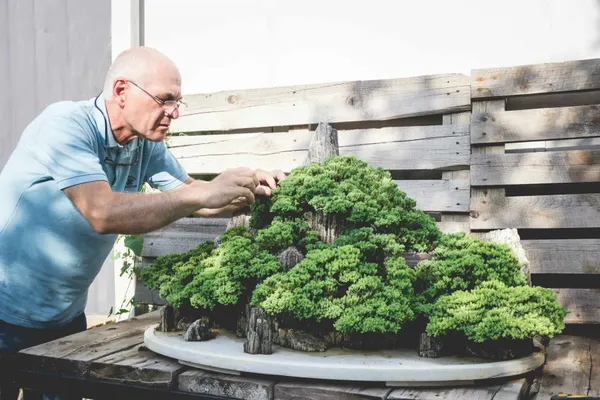
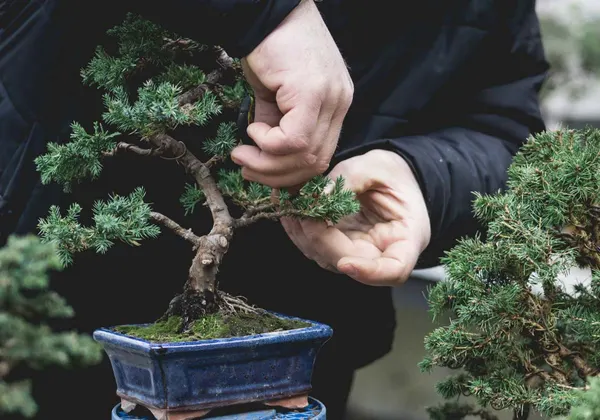
Pruning: If the pine was bought from a nursery, do not cut away more than 50% of the total canopy volume in a single growing season. Reduce the height and the size of the canopy in stages over time. On an older pine only one operation is carried out per growing season: if you repot, branch pruning should wait 12 months; after pruning branches, wait about the same period before wiring, and so on. On a young tree you can boldly carry out any operation, but styling work should be done gradually, keeping to certain intervals. Stripping bark from the trunk and cutting thick branches is done at the end of October, when sap flow in the tree is at its lowest. Do not cut thick branches close to the trunk. Leave a stub a few centimeters long; after 1 year it can be cut off completely. To maintain the shape, twist off the new growth. When the buds that form at the branch tips grow to 3–5 centimeters, remove the most vigorous bud and leave only 1 or 2 weak ones.
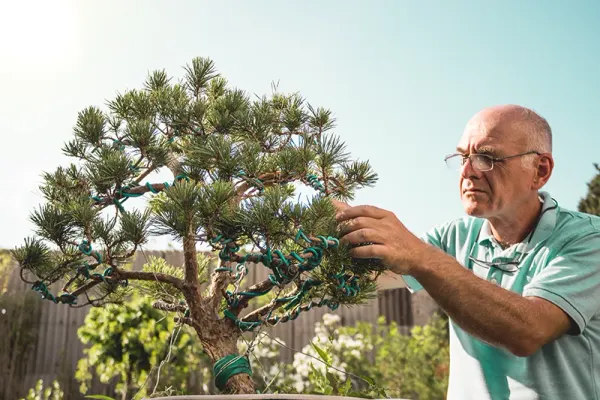
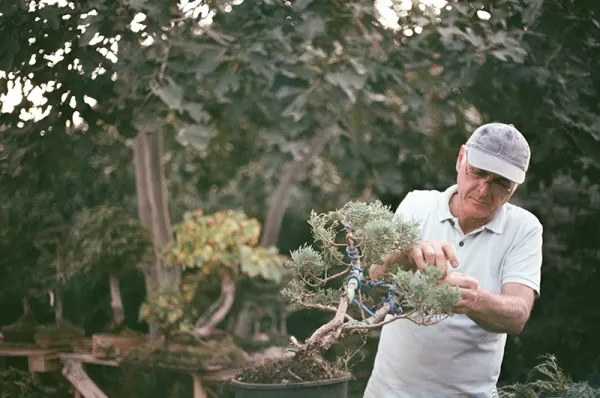
Wiring: Because the branches are quite flexible, wiring is fairly easy on every species of pine. Wiring is best done in late autumn, before the frosts set in. The wire should stay on the tree for 4–5 months.
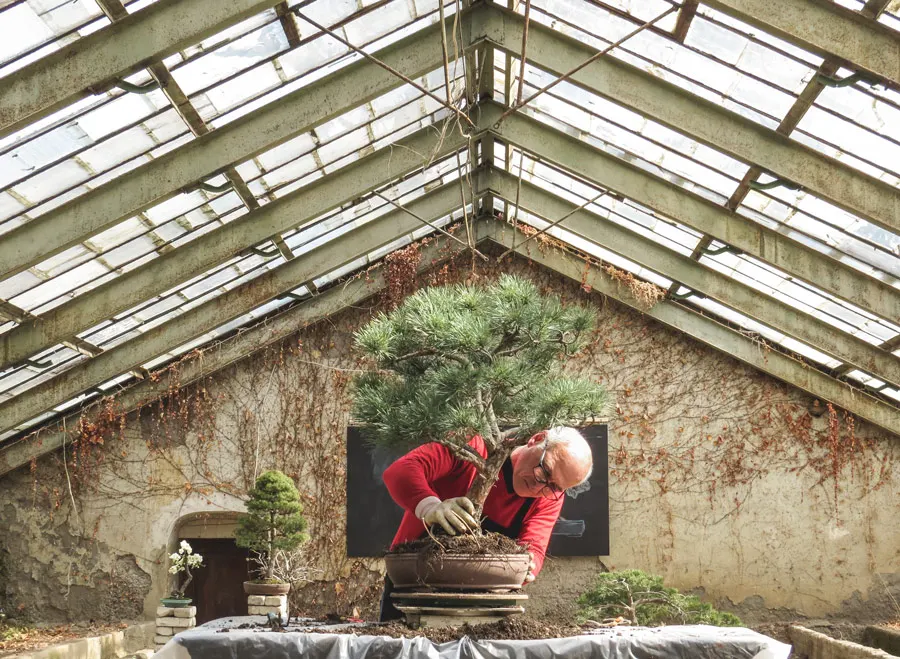
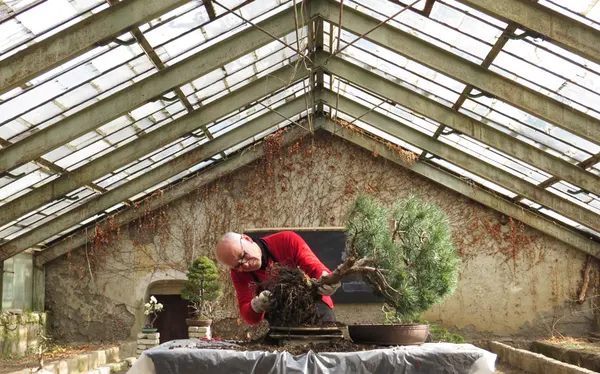
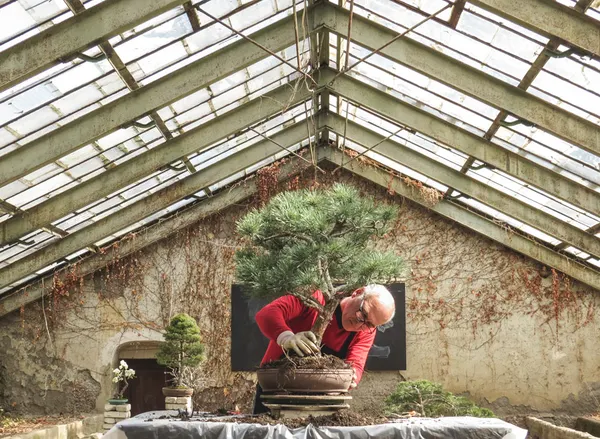
Repotting: In spring, every 2–5 years, depending on how fast the roots grow. Repot when the pine begins active growth, the buds are swelling and new needles are starting to appear; at this time it tolerates repotting better. Never wash the roots. When repotting, after pruning the roots there is no need to reduce the canopy in proportion to the roots; the tree will restore the balance between canopy and roots by itself.
Propagation: Seeds are sown in early spring. Because pines grow slowly, it is better to buy a young plant.