Bonsai Shape Perfection and Maintaining Miniature Size (Coniferous Plants)

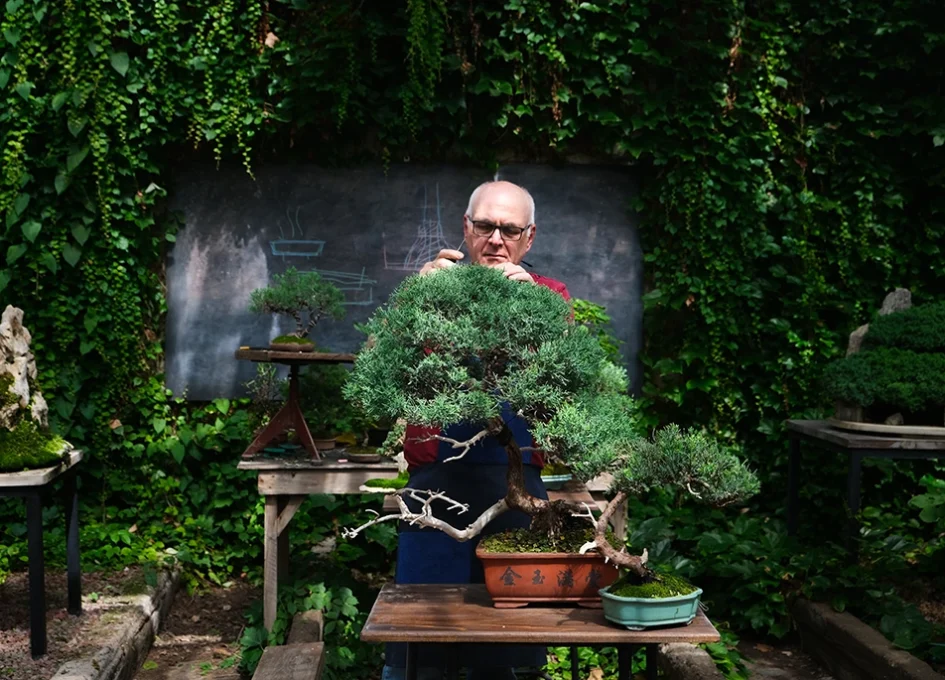
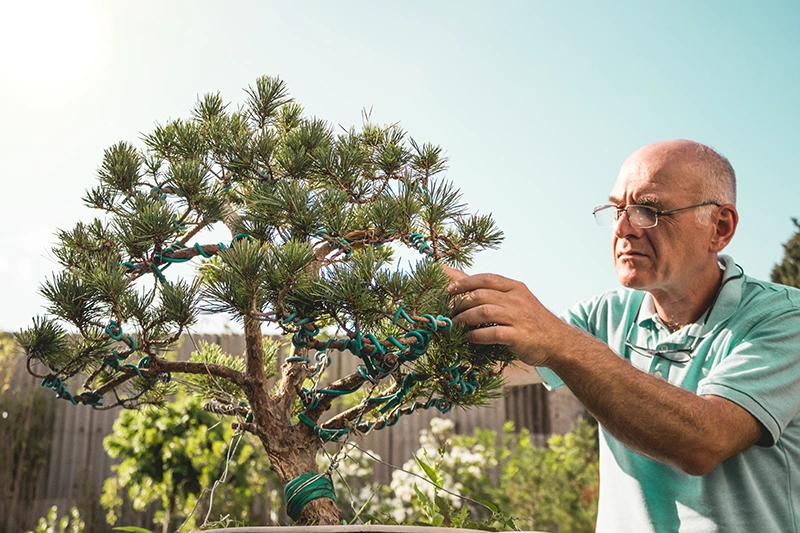
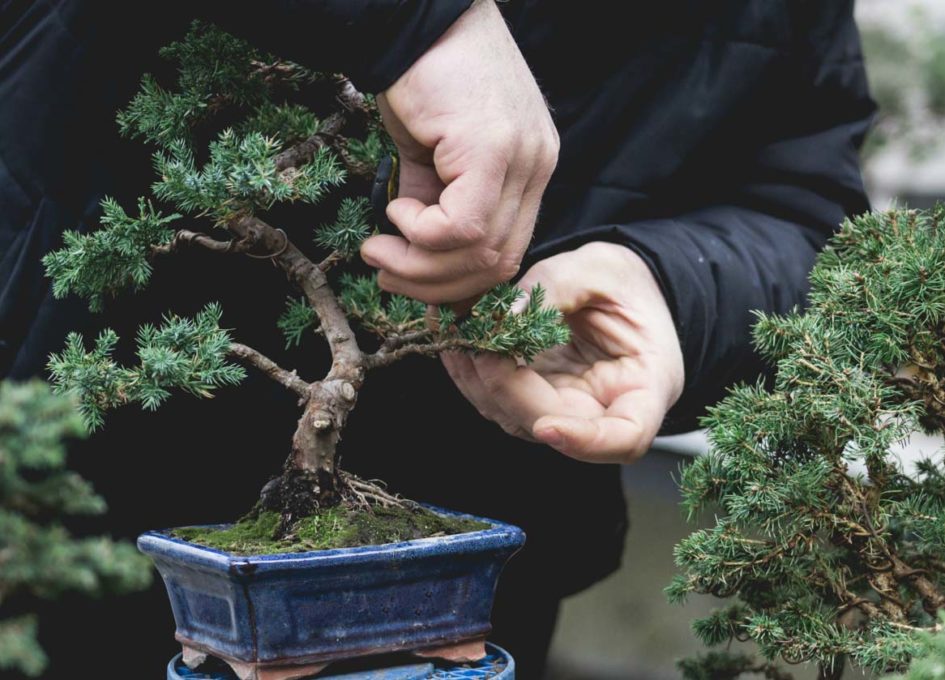
After completing the first stage of shaping (when all unnecessary main and secondary branches are trimmed and branches are fixed in the desired position with wire), attention must be given to perfecting the canopy and maintaining the miniature size. The pruning to maintain shape and size is required throughout the bonsai's life. No seedling will take on the desired shape after the first pruning and wire framework…

Learn more »

ბონსაი მესხი

Bonsai Shape Perfection and Maintenance of Miniature Size (Deciduous Trees)

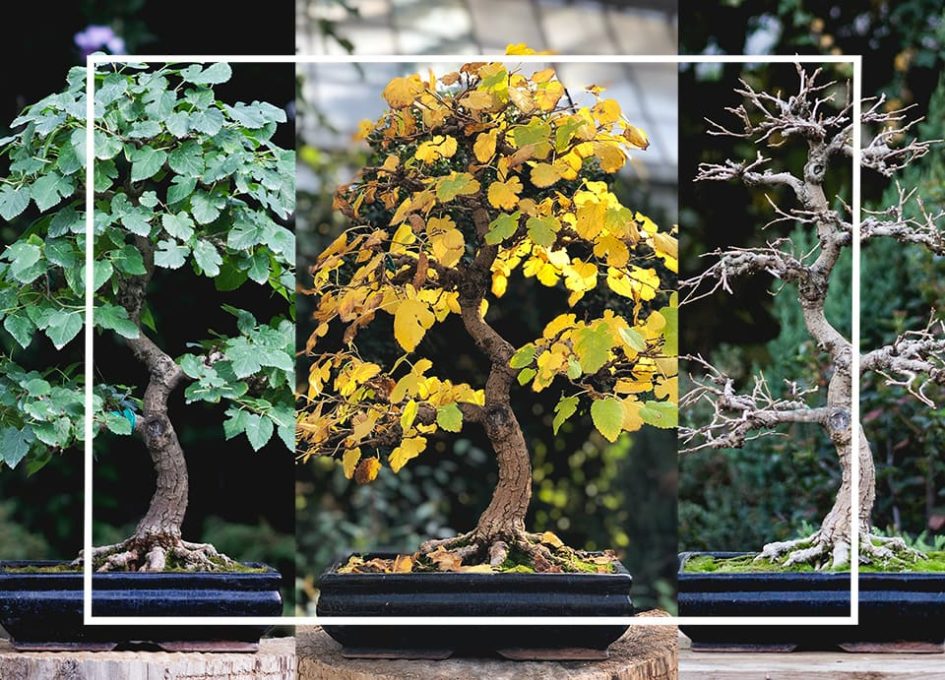
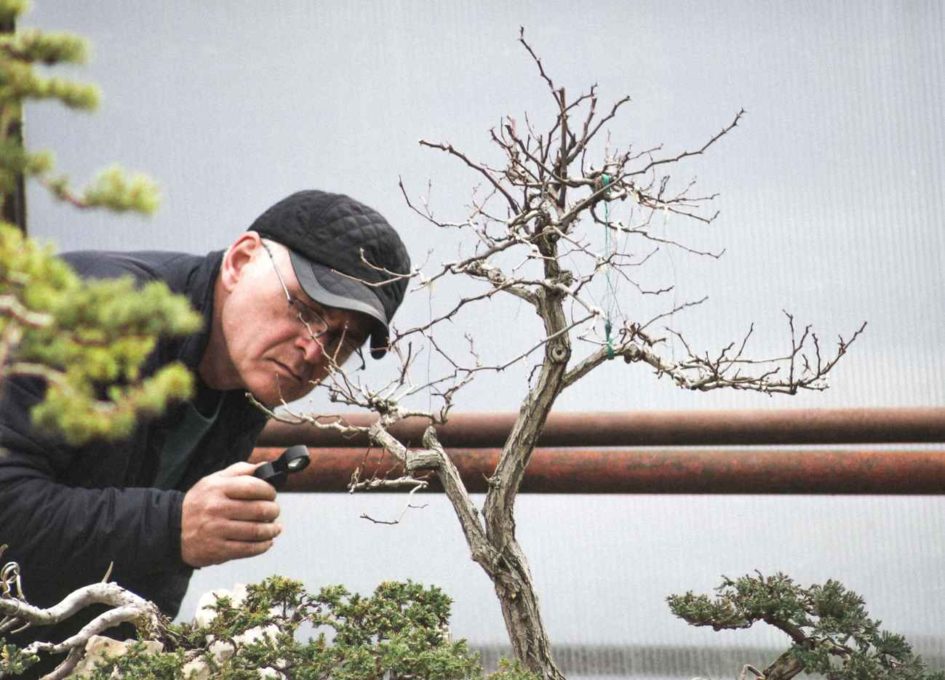
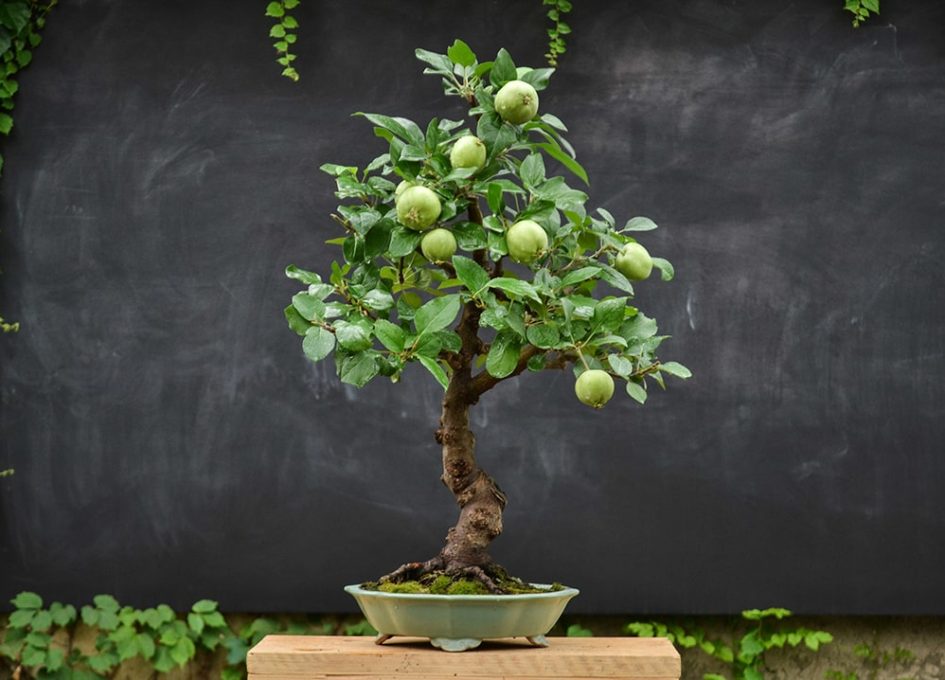
   After completing the first stage of shaping (removing all unnecessary primary and secondary branches, fixing the branches in the desired position with wire), it is important to focus on perfecting the crown and maintaining the miniature size. Pruning to maintain shape and size is required throughout the life of the bonsai. No seedling will achieve the desired form after the first pruning and wiring...

Learn more »

სიმაღლე: 55 სმ

Bonsai's various style creation features: Forest, Yose-ue (寄せ植え), and Kabudachi (株立)

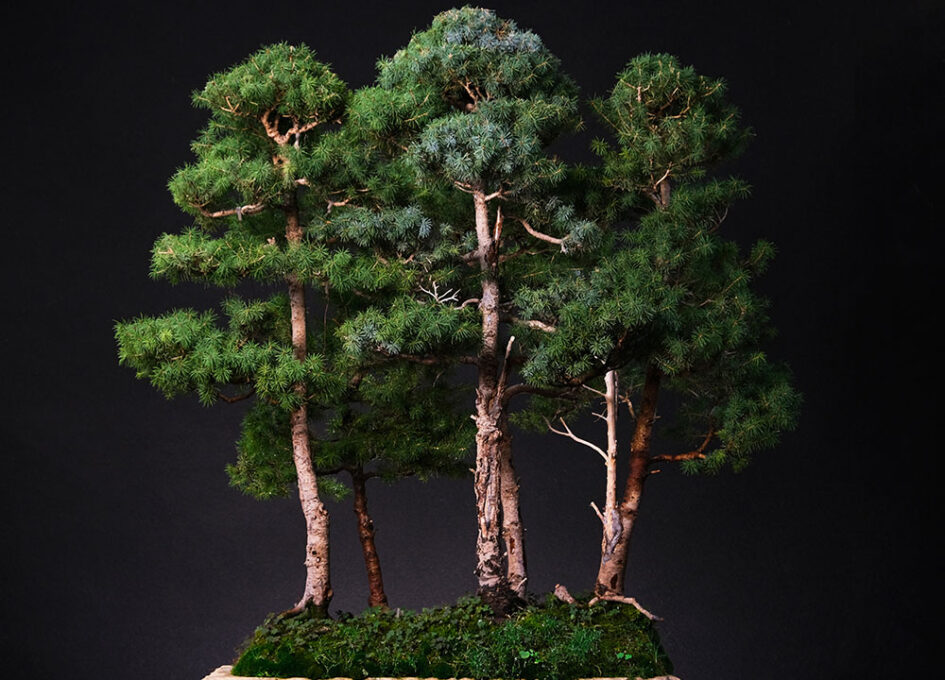
Yose-ue (寄せ植え): The Yose-ue style is a miniature model of a small forest, which can be found in any climate zone. One of the benefits of this style is that it can be created using 2-3-year-old seedlings. For beginners who are eager to see the results of their work, this is a good starting point. Even seedlings with well-developed branches can be used for this style...

Learn more »

ბონსაი ალექსანდრე მესხი

The peculiarities of creating different Bonsai styles. Miniature landscape. Saikei (栽景)

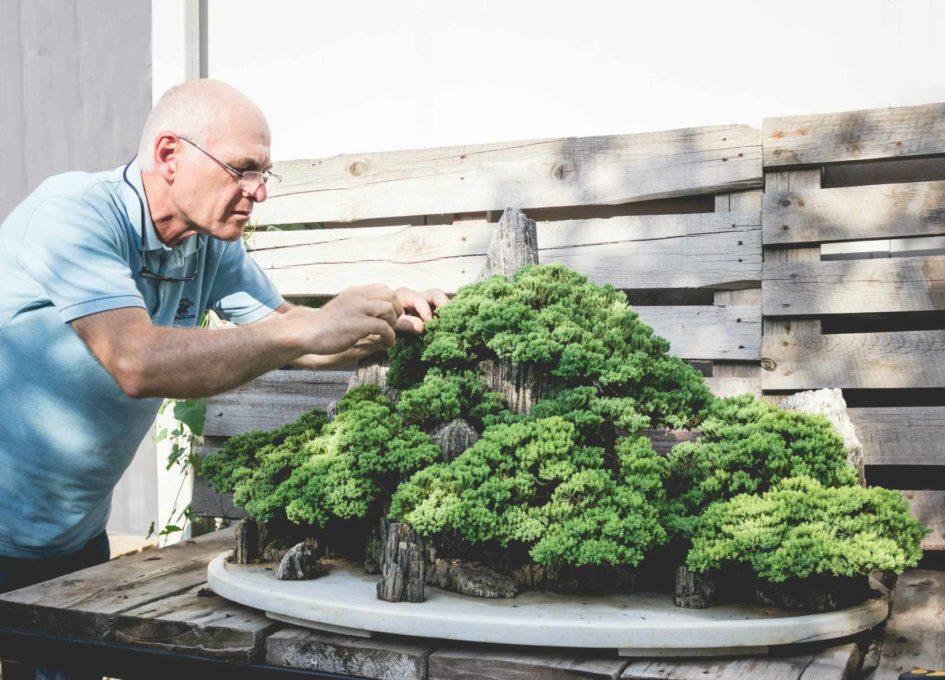
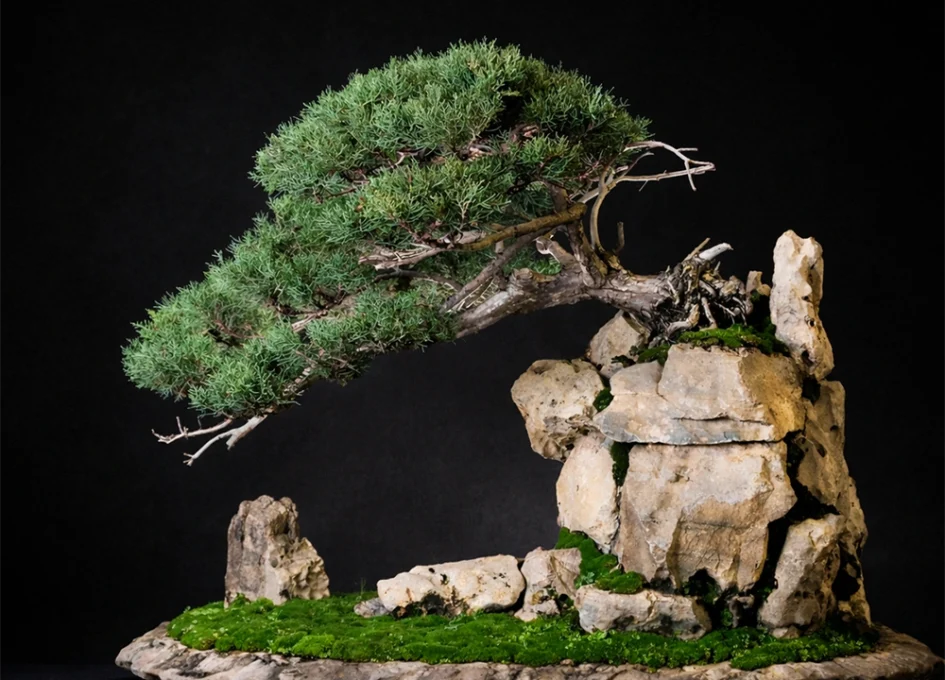
   Saikei involves creating a miniature landscape using stones, soil, water, grasses, moss, and small trees. The goal is to evoke a harmonious illusion of nature. All components must be placed in the container in a way that maintains proportional balance, ensuring the composition appears natural. In Saikei, the arrangement of earth, stones, and plants aims to create a well-balanced and aesthetically pleasing miniature landscape...

Learn more »

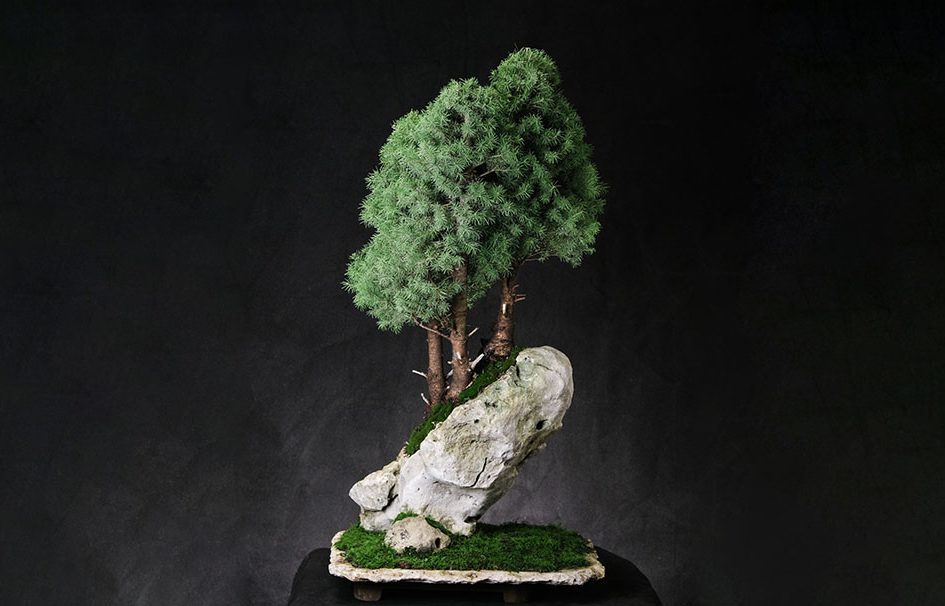
The specialty of creating bonsai in different styles. Composition on stone. Ishizuki (石付) and Sekijieju (石上樹)

   The composition on stone can be divided into two different species: Ishizuki (石付) – when the roots are fully inside the stone, and Sekijieju (石上樹) – when the plant's roots are wrapped around the stone from the outside. Like all styles, the composition on stone should appear natural. When selecting a plant, note that the first branch should be close to the roots. In other styles, the lower branch...

Learn more »

ალექსანდრე მესხი

Bonsai roots

 The main function of roots is to supply the plant with water and nutrients, as well as anchor it in the soil. In the case of bonsai, roots also have a decorative purpose. A bonsai looks more attractive when a certain amount of well-developed, thick roots are visible above the soil surface. Such a bonsai gives the impression of a strong, firmly grounded tree. If the thick roots are not visible, even a beautifully formed bonsai...

Learn more »

Protection of Bonsai in Summer

   In the summer, when the air temperature is very high, if no special measures are taken to protect the bonsai, the plant can be damaged or even dry out. The cooling of the plant occurs through the evaporation of water from the leaves. During high temperatures, the plant quickly loses moisture. When insufficient water is supplied to the bonsai in the heat, the leaf temperature can reach a critical level. The wilting of the leaves...

Learn more »

Bonsai care (diseases and pests)

Diseases and pests like any garden or indoor plant, bonsai can be affected by diseases and attacked by harmful insects. Monitoring the plant's condition is a daily responsibility for bonsai enthusiasts, especially during spring and summer when pests become more active and the risk of disease increases. Constant attention is crucial to prevent irreversible damage caused by pests or diseases...

Learn more »

Tanuki Bonsai

   A Tanuki Bonsai is a live tree attached to deadwood. To create it, a piece of dry wood is chosen (naturally damaged for effect), and a channel is made in it where a young tree is firmly attached. Bonsai specialists typically use junipers for Tanuki bonsais due to their flexible and durable bark...

Learn more »

How to Start Shaping a Seedling (Part IV)

After finishing the initial pruning, you should start changing the direction of the branches and trunk growth using wire. Some species, like conifers, easily respond to wire shaping, while others with harder wood can only be shaped with wire on newly sprouted branches. Some plants have bark that...

Learn more »

სიმაღლე: 45 სმ

How to Start Shaping a Seedling (Part III)

The large branches should be cut as close to the trunk as possible, ensuring no stubs are left. Special pruning shears designed for this purpose ensure clean cuts without leaving any leftover bits on the trunk. If such shears aren't available, regular pruning scissors can be used, but the cutting surface should be carefully managed...

Learn more »

ბონსაის ფორმირება

How to start shaping a seedling (Part II)

 There are several guidelines for pruning branches that could hinder the future shape of the bonsai. For example, only one branch should remain from branches growing from a single point. The front branch, directed toward the observer, should be pruned. Also, a bent branch needs to be cut as part of shaping the tree properly...

Learn more »

How to Begin Seedling Formation (Part I)

Seedlings grown from seeds require careful pruning. From late autumn to early spring, cut the apex, leaving 3-4 well-developed buds. New shoots will grow from these buds. Let the shoots develop freely for one growth season. In the following season, repeat by cutting the apex and the ends of the most elongated branches. This cyclical approach promotes balanced growth and prepares the seedling for shaping...

Learn more »

Soil for Bonsai

   A well-developed and healthy bonsai depends on a properly chosen soil mix. The soil must contain enough nutrients, have good water drainage (without pooling on the surface), retain moisture, and allow the roots to receive adequate oxygen. One of the most debated topics among bonsai enthusiasts and specialists is the ideal soil mix for bonsai cultivation...

Learn more »

ასაკი ≈ 35 წელი. სიმაღლე: 80 სმ

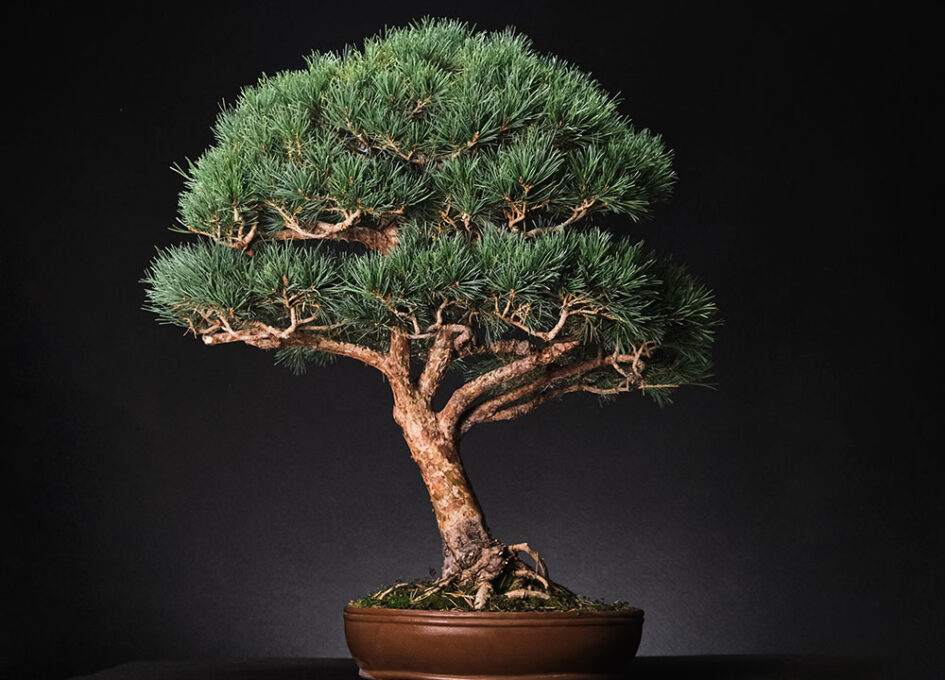
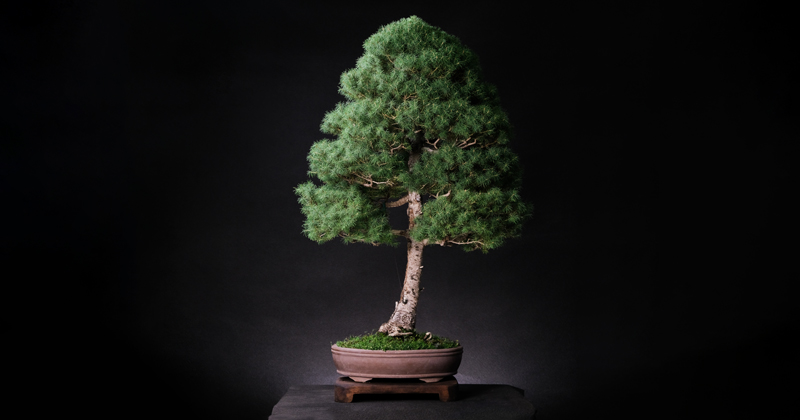
Trees for Bonsai.(Pine)

   Pine is an evergreen conifer that can grow up to 50 meters tall and live between 300 to 1000 years. It has deeply ridged bark and shed leaves every 2-3 years. Pine thrives in sunny environments and is highly resistant to drought and cold. It can grow on both rich and poor, rocky soils, and is found even in peat bogs. Pines have a strong root system and require full sunlight, tolerating little shade...

Learn more »

სიმაღლე: 25 სმ

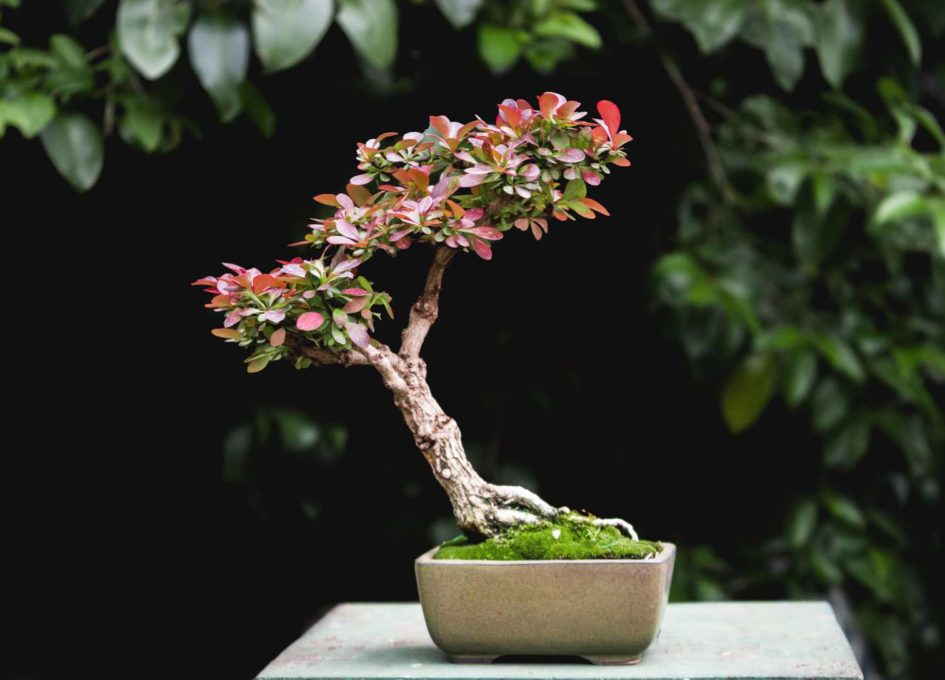
Trees for Bonsai (Barberry)

   The Barberry (Bérberis) is an evergreen, semi-evergreen, or deciduous shrub, rarely a tree, with about 450 species that thrive in various climates. It prefers rocky, stony soils and is light-loving. It grows up to 2 meters tall and is widely used in gardening. Despite not being considered a "classic" bonsai plant, Barberry can be shaped into beautiful miniature trees, making it an interesting choice for bonsai enthusiasts...

Learn more »

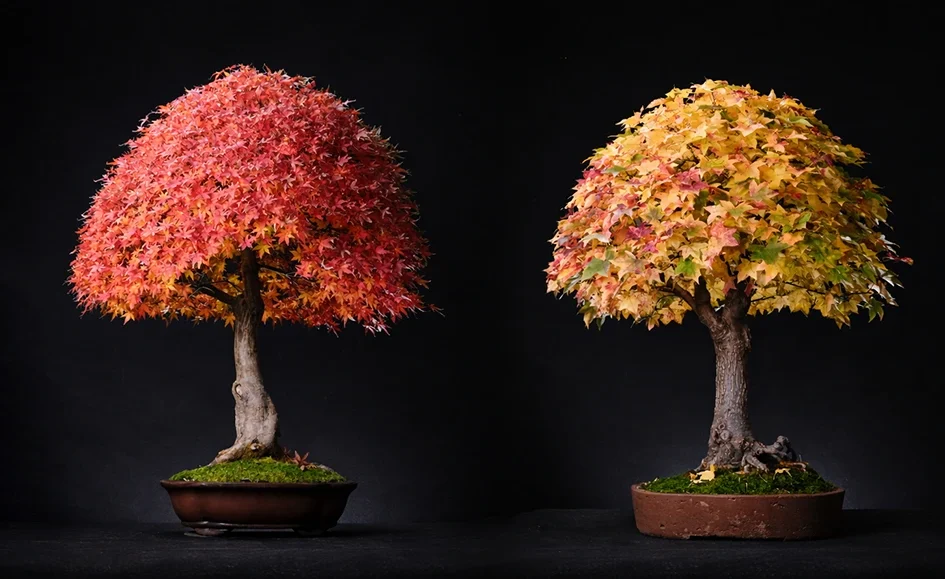
Trees for Bonsai (Japanese Maple and Liquidambar)

Japanese Maple (Latin: Acer palmatum) This species of maple is very popular in horticulture due to its leaf shape, color, and the beauty of its branches. The Japanese maple is a small tree or shrub, growing to a maximum height of 10 meters. Hundreds of varieties of Japanese maple have been cultivated by breeders, each with different leaves and growth characteristics. It grows quite slowly. The Japanese maple is one of the most popular plants for bonsai...

Learn more »

ბონსაი ნაძვი

Trees for Bonsai ( Spruce and Juniper)

Spruce (Picea). Spruce is a tall, evergreen tree (20–30 meters) from the pine family. In Georgia, only one species is native: the Oriental Spruce (Picea orientalis). Other species, such as the European Spruce (Picea excelsa) and Himalayan Spruce (Picea morinda), have also been introduced. Spruce grows slowly for the first 15–20 years and then accelerates its growth. It is shade-tolerant, frost-resistant, and has a lifespan of 250–300 years. For bonsai cultivation, spruce…

Learn more »

მუხის ბონსაი ალექსანდრე მესხი

Trees for Bonsai (Oak)

  Oak trees, belonging to the beech family, can be evergreen or deciduous. In Georgia, seven species are found: Hartwiss Oak, Imeretian Oak (Quercus imeretina), Lowland Oak, Pontic Oak (Quercus pontica), Georgian Oak, Highland Oak, and Chorokhi Oak. Oaks grow very slowly, continuing to increase in height even after 80–100 years. Their roots grow deeply into the soil. Oaks can live for up to 800 years and are sunlight- and warmth-loving trees...

Learn more »

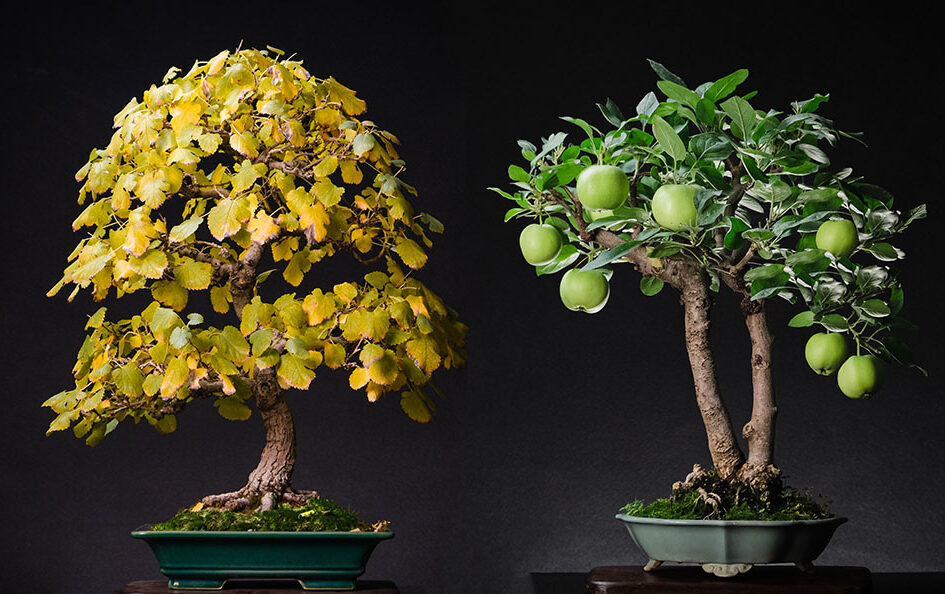
Trees for Bonsai. (Mulberry and Apple)

Mulberry (Latin: Morus). Mulberry is a deciduous tree or, rarely, a shrub. In Georgia, there are two species of mulberry: White Mulberry (Morus alba) and Black Mulberry (Morus nigra). It is a light-loving plant, drought-resistant, and grows well in fertile soil. It lives for 200-300 years. A young tree grows quickly, but as it matures, its growth rate slows down, and it rarely exceeds 10-15 meters in height...

Learn more »

რცხილა

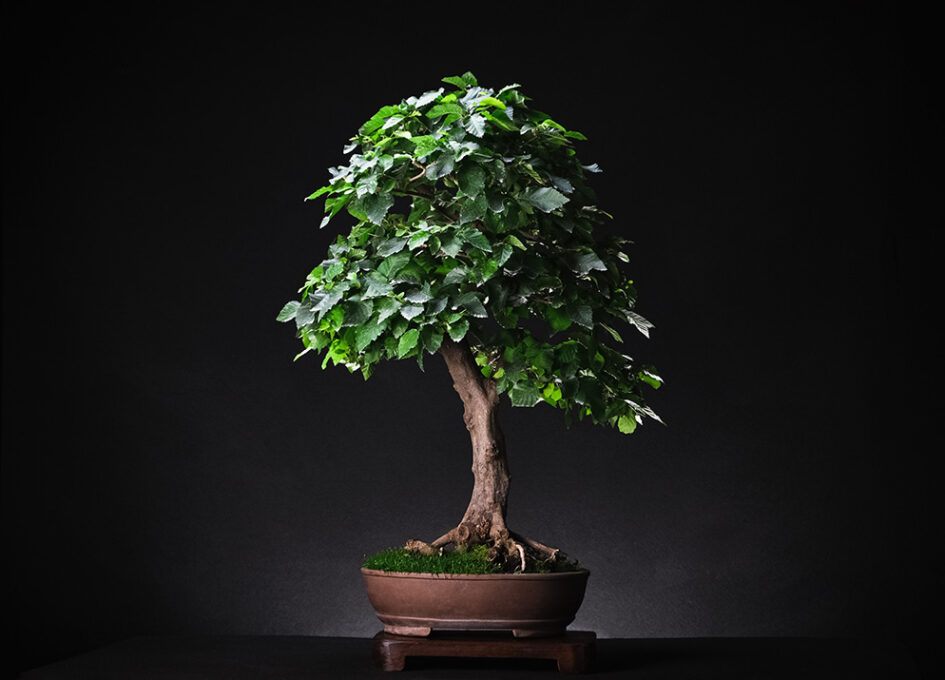
Trees for Bonsai. (Hornbeam)

  Hornbeam (Carpinus) is a deciduous tree or tall shrub. It has smooth, gray bark. In Georgia, two species are found: the Caucasian Hornbeam (Carpinus caucasica) and the Jagged Hornbeam. Hornbeam is a shade-tolerant, warmth-loving plant that is not affected by frost. Except for Bunjing (文人木), all other bonsai styles from hornbeam are medium to large-sized bonsai. Location: A sunny place or partial shade.

Learn more »

ბონსაის ქოთნები

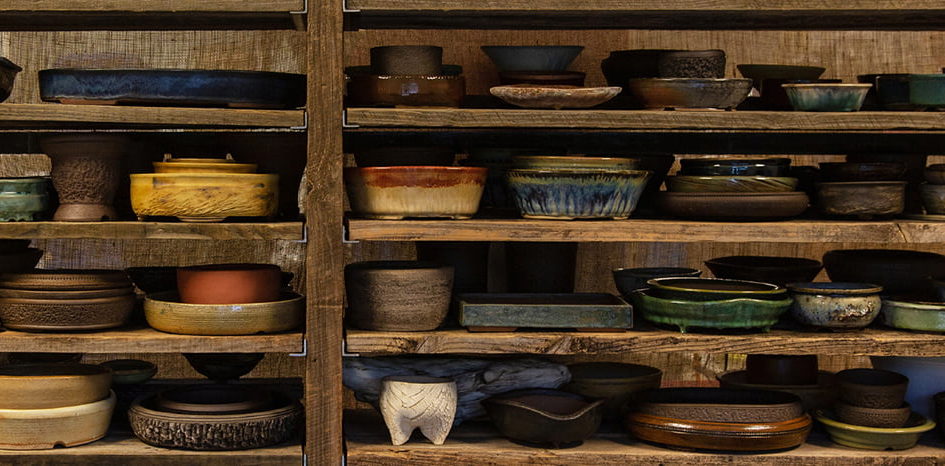
Container for Bonsai

   To give the bonsai its finished shape, it is necessary to choose an appropriate container for it. The container and the plant should harmoniously complement each other. The container should be simple and plain. A brightly colored or overly beautiful antique pot is too eye-catching and less suitable for bonsai. In bonsai culture, the focus should primarily be on the plant, with the container being of secondary importance...

Learn more »

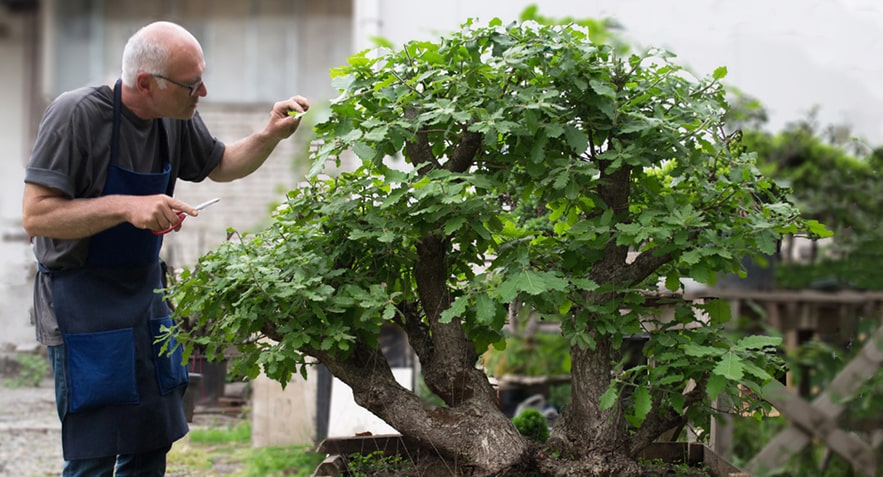
Bonsai shaping methods and techniques

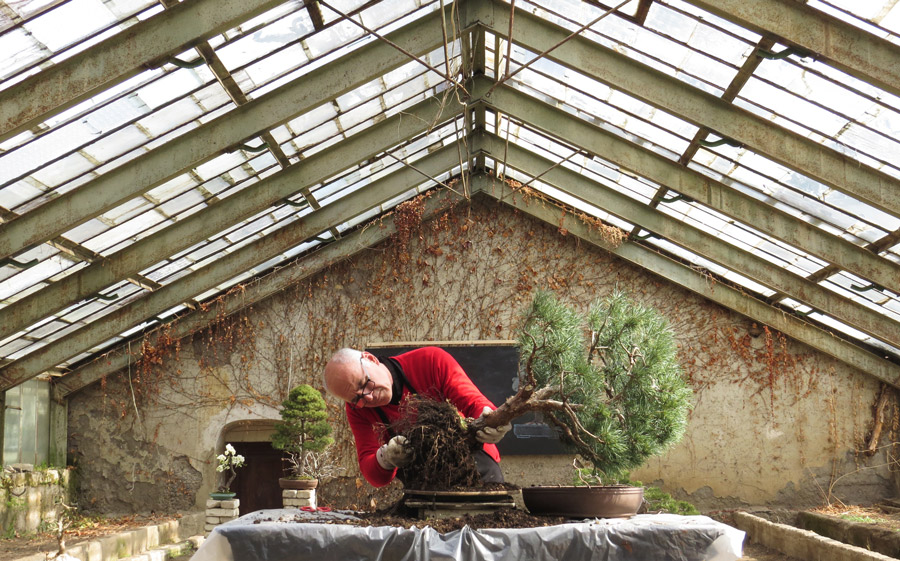
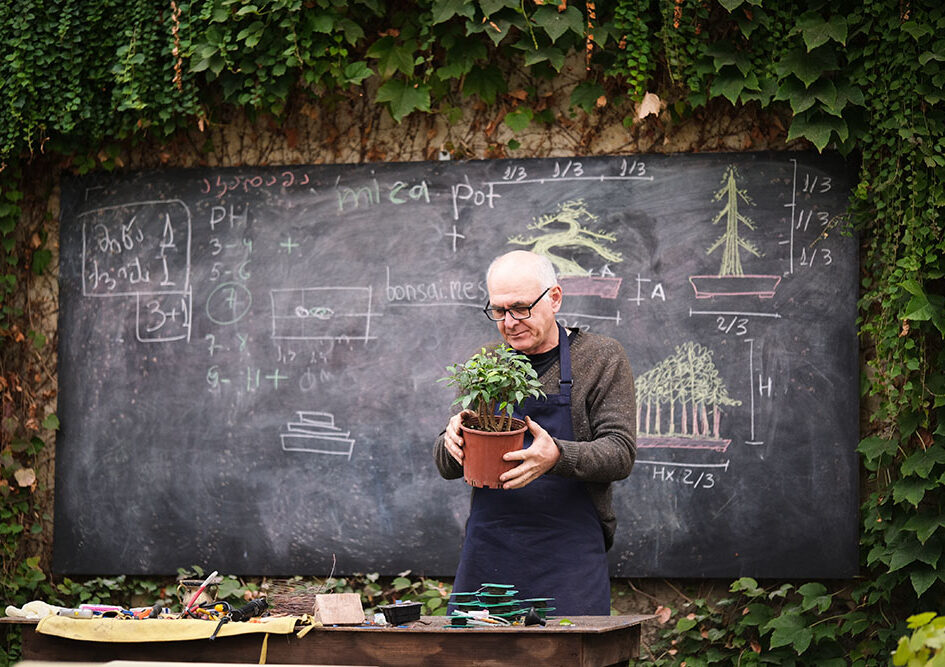
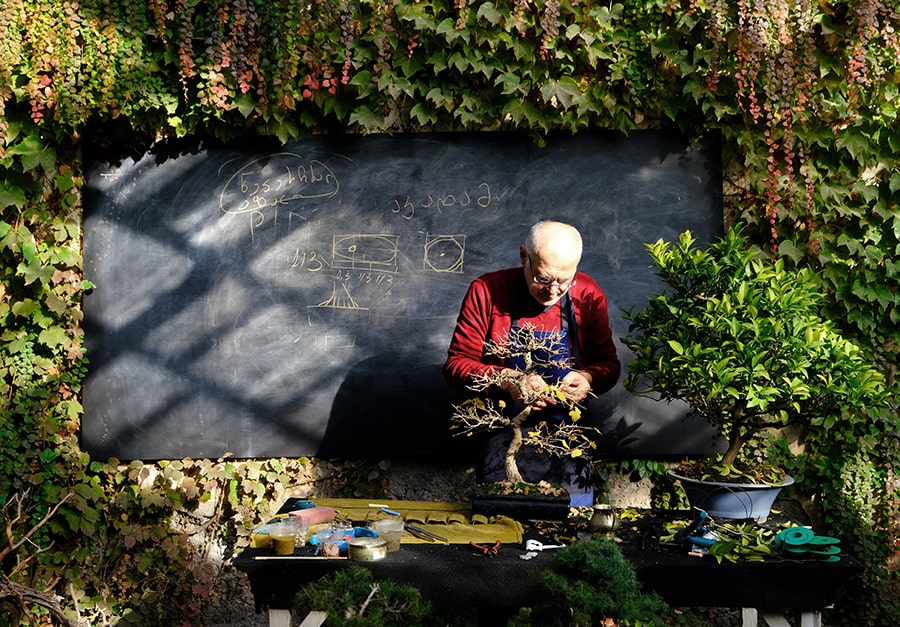
   When someone decides to create a bonsai, their ultimate goal should not just be to maintain a miniature size of the tree. To prevent a tree from growing and keeping it small, not much needs to be done. Simply put, you can plant a small plant in a pot, trim all the overgrown branches, and you'll have a "dwarf" tree. However, bonsai is much more than that. Bonsai is not just about size control but involves shaping and guiding the tree to achieve a miniature version of a full-sized tree, while still maintaining natural proportions, balance, and beauty. It's a process that requires patience, artistry, and knowledge of various techniques like pruning, wiring, root management, and soil selection. The goal is to create a living piece of art that embodies the essence of nature, capturing its beauty in a way that can be appreciated in the form of a small tree...

Learn more »

ინსტრუმენტები ბონსაისთვის

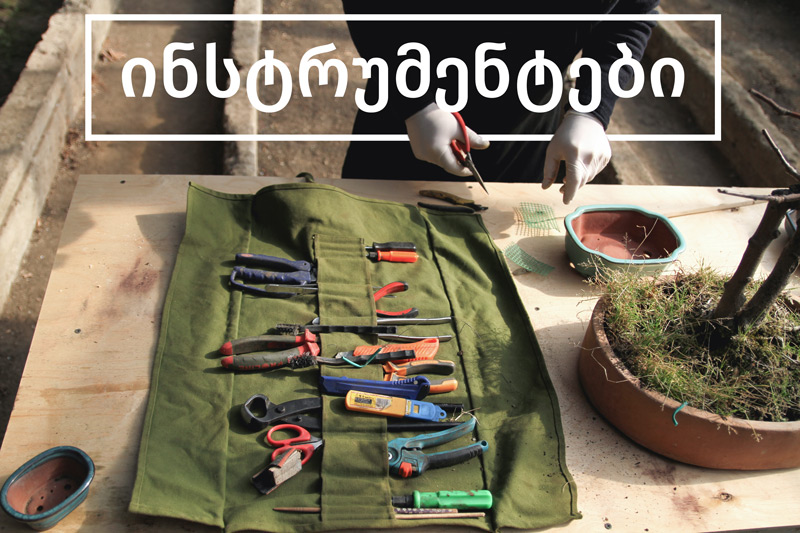
Tools and Auxiliary Materials for Bonsai

   In order to perform quite specific tasks for growing bonsai, certain types of tools are necessary. All around the world, enthusiasts and specialists prefer tools specifically designed for bonsai. These tools do not differ much from the regular gardening tools, but they are more convenient for working on miniature trees and significantly ease the work on shaping or transplanting...

Learn more »