Why is bonsai expensive?
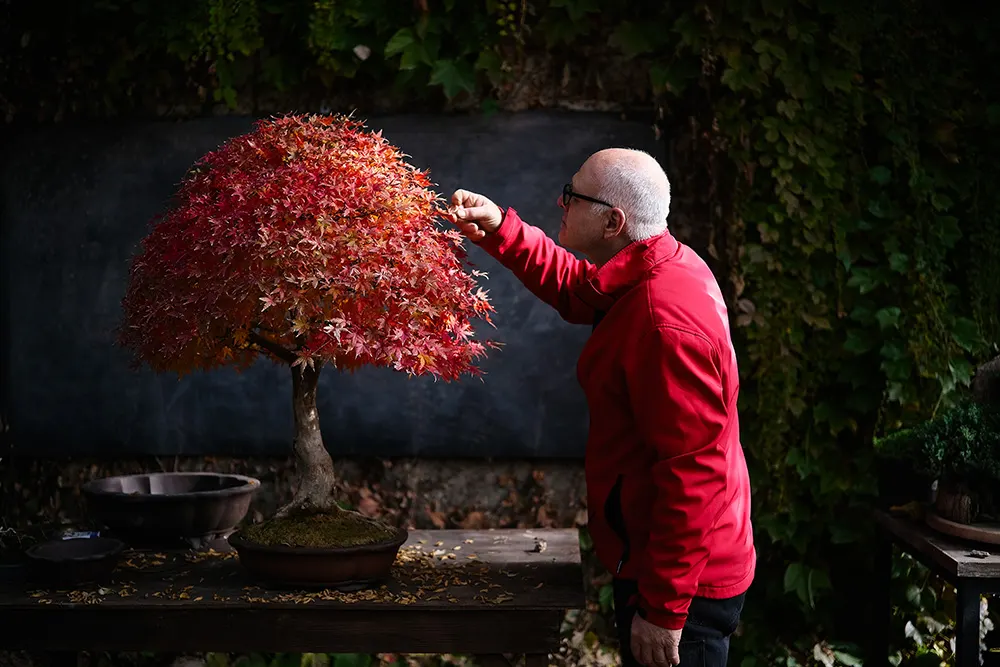
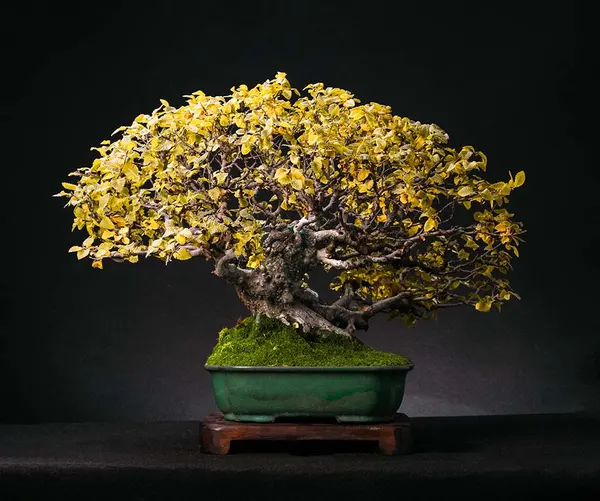
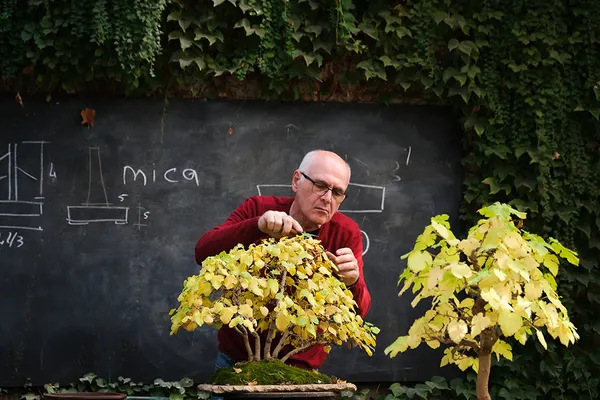
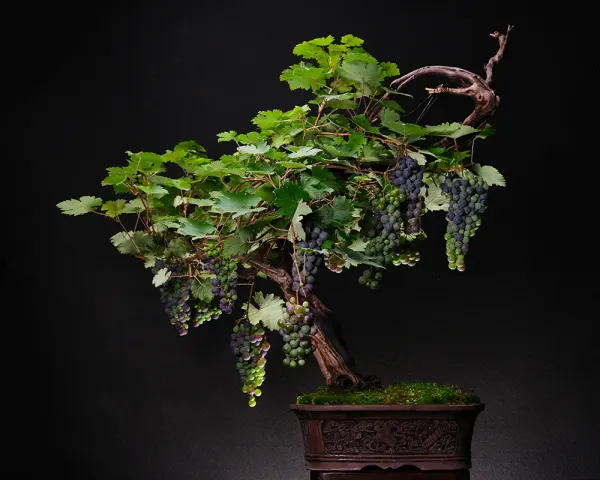
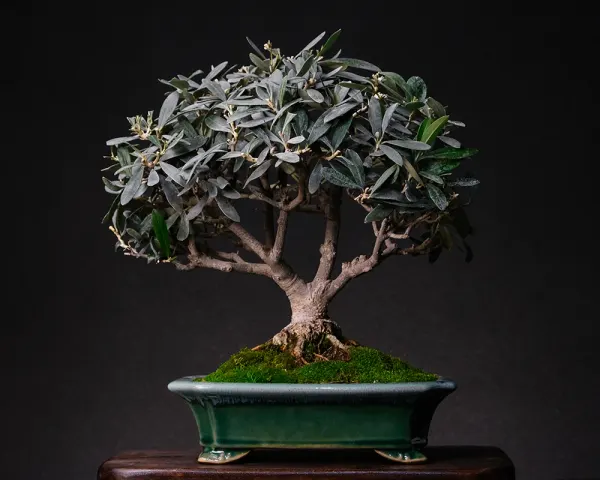
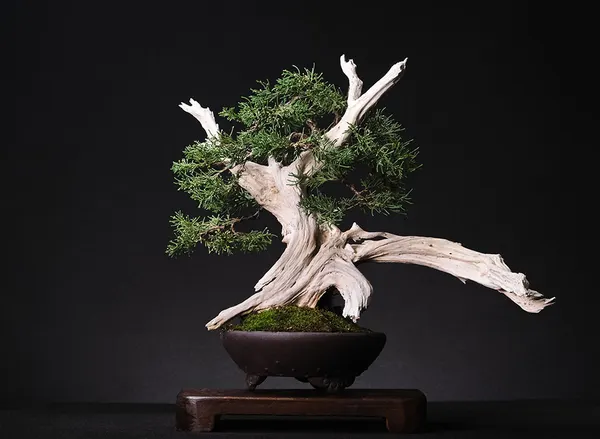
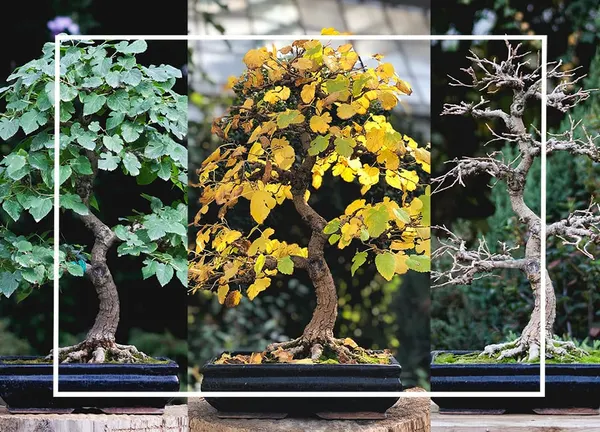
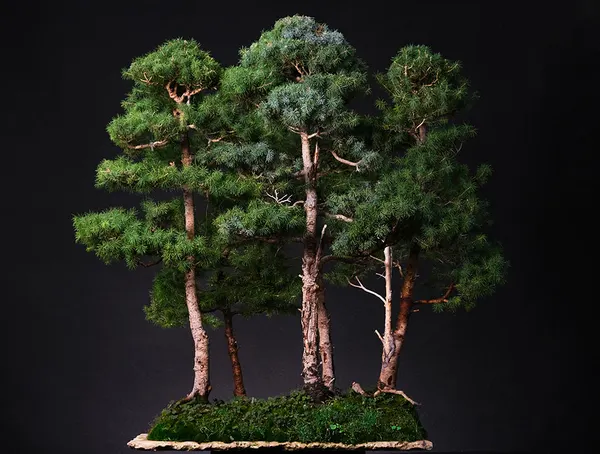
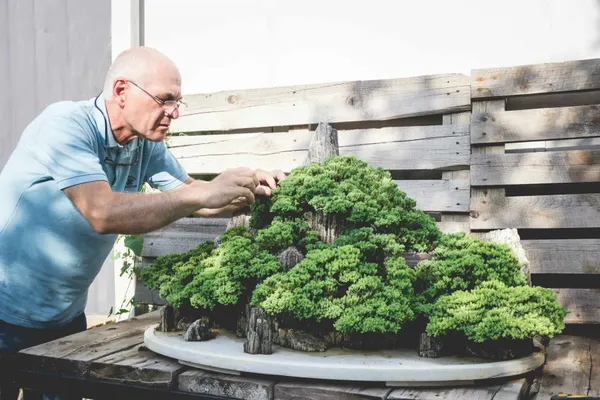
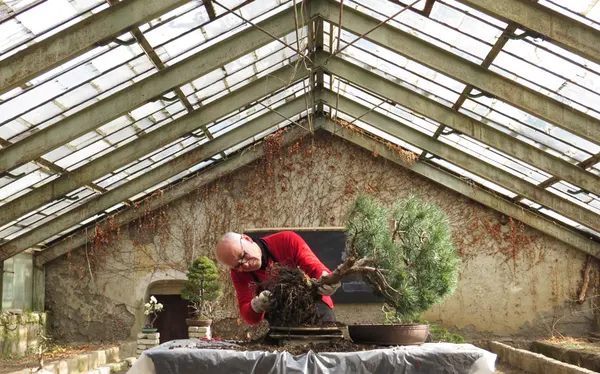
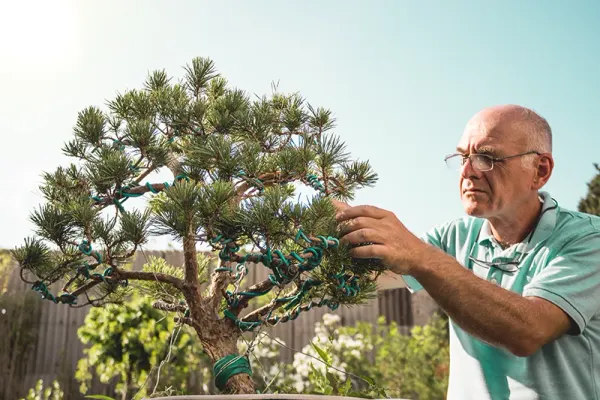
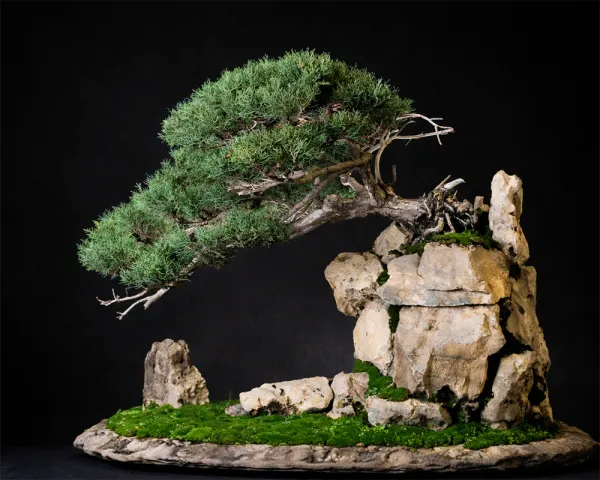
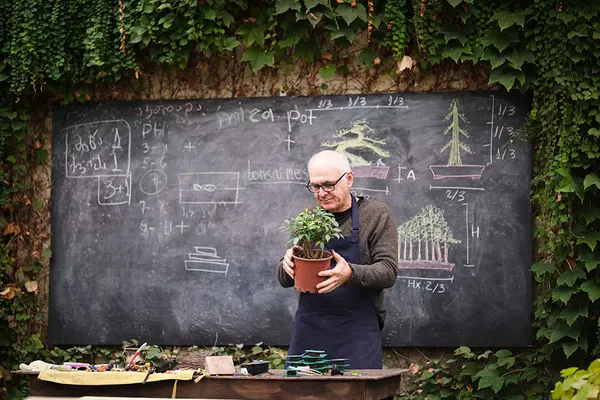
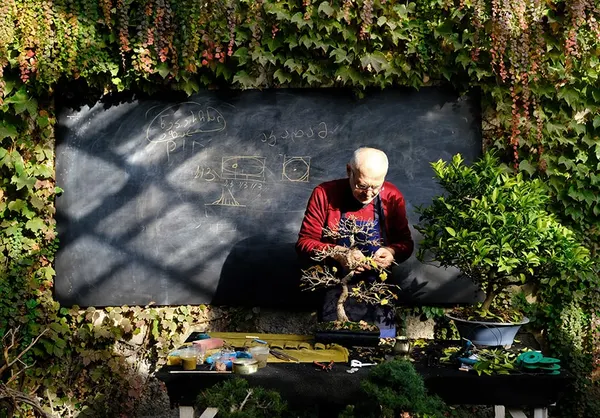
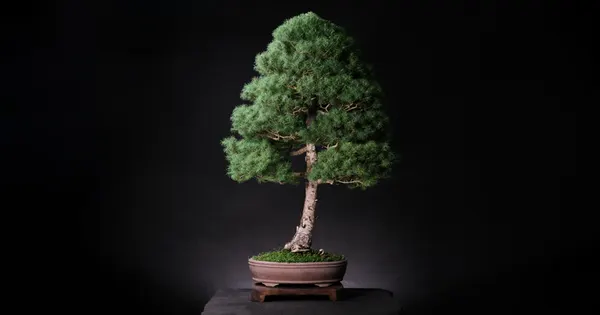
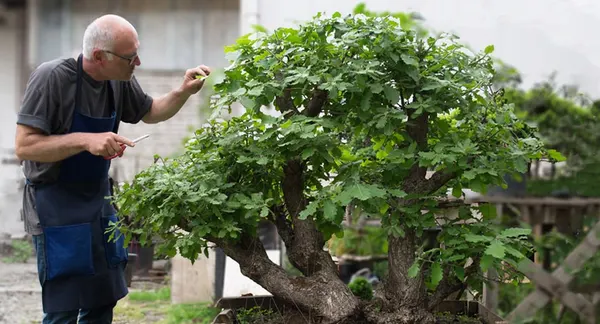
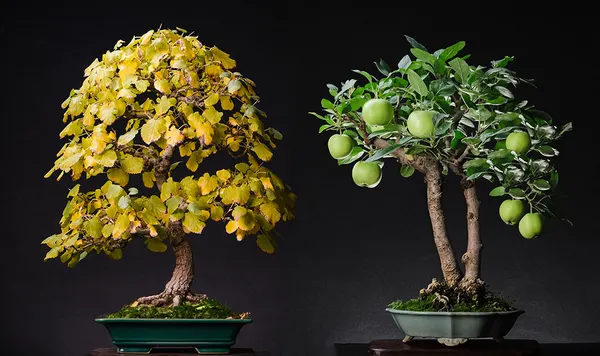
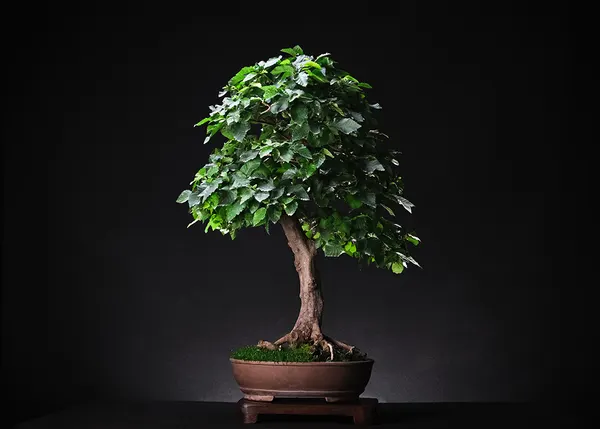
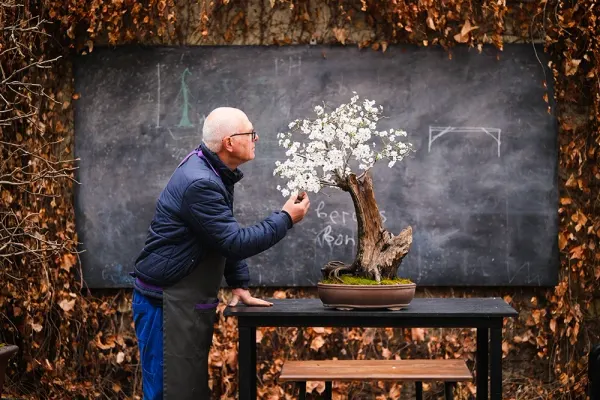
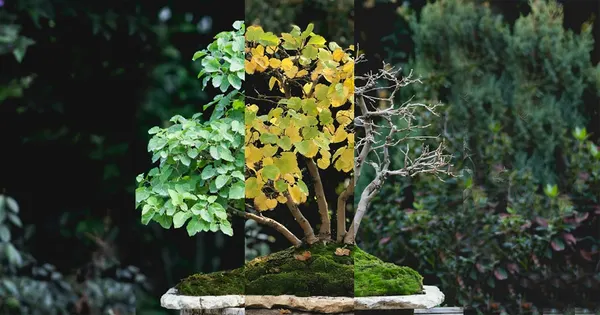
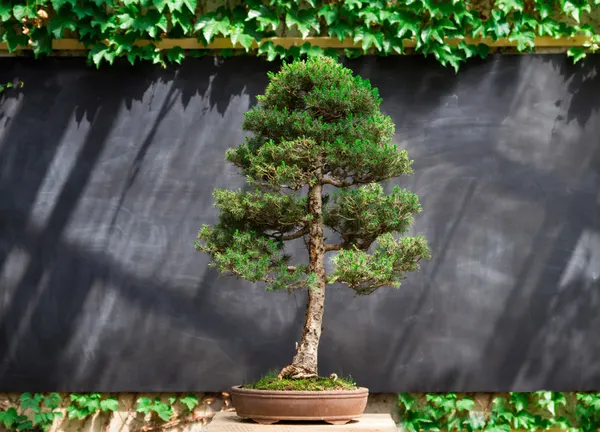
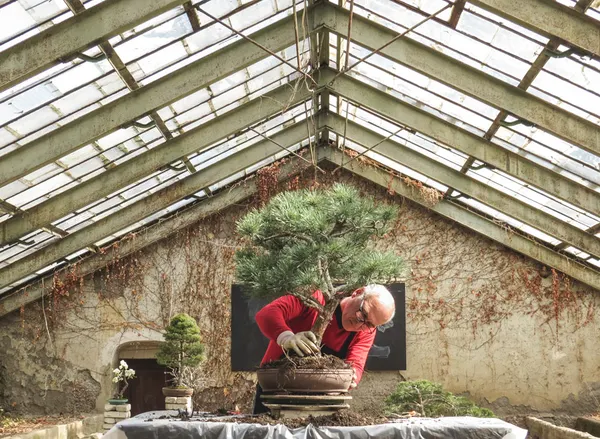
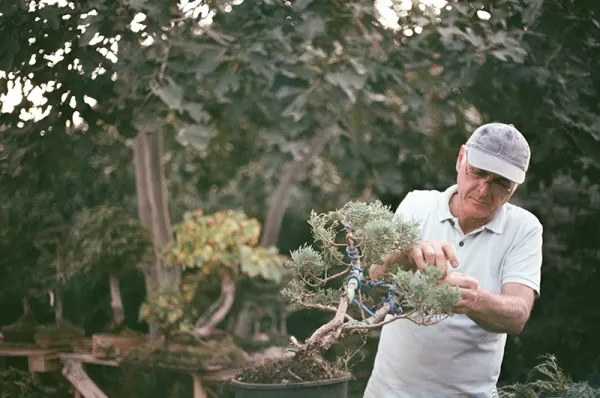
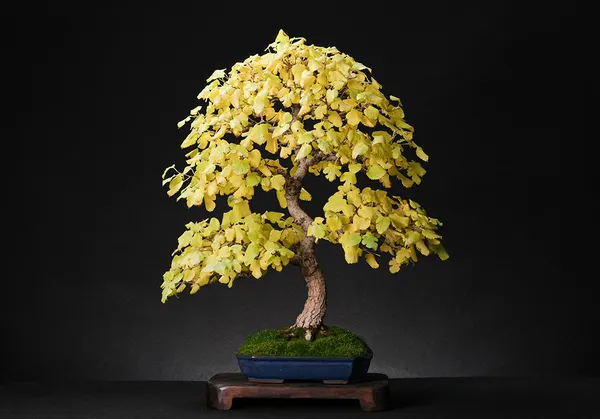
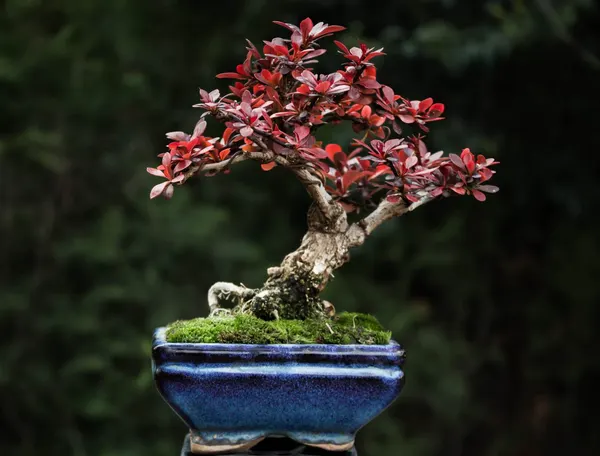
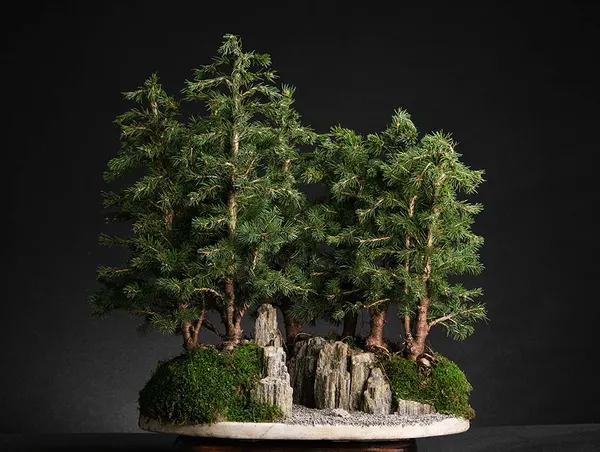
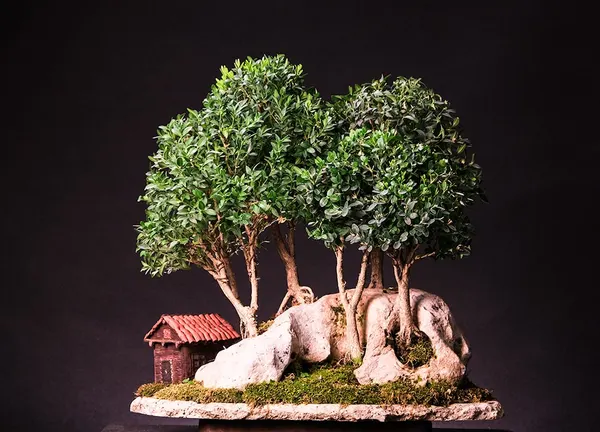
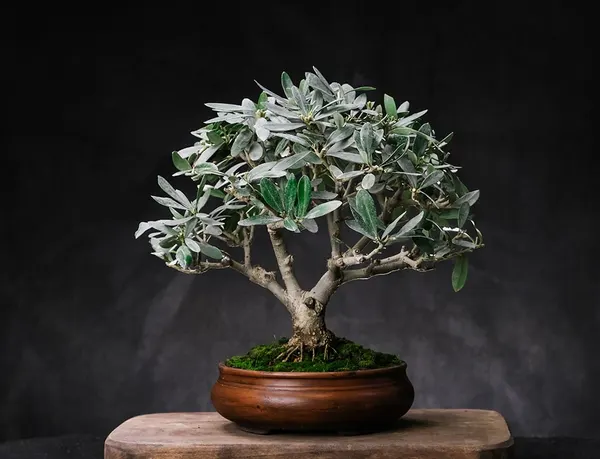
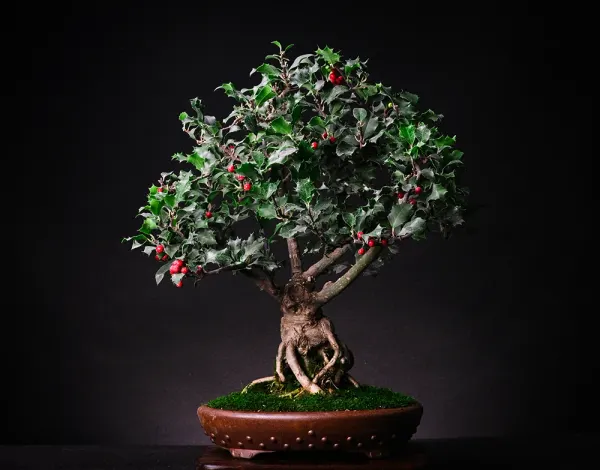
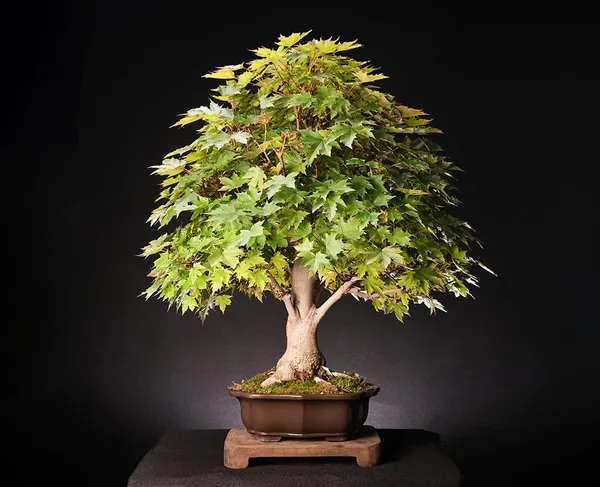
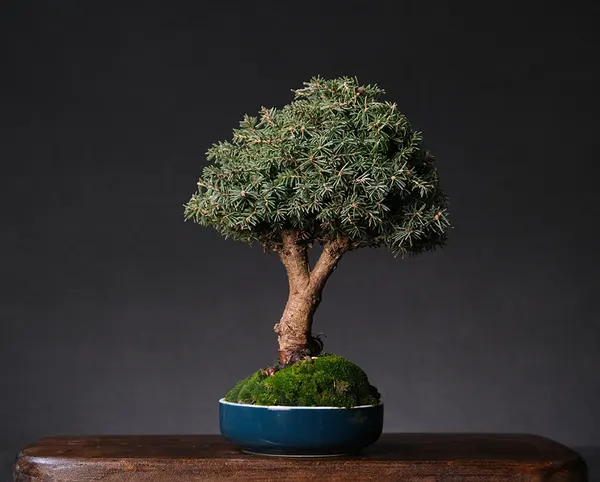
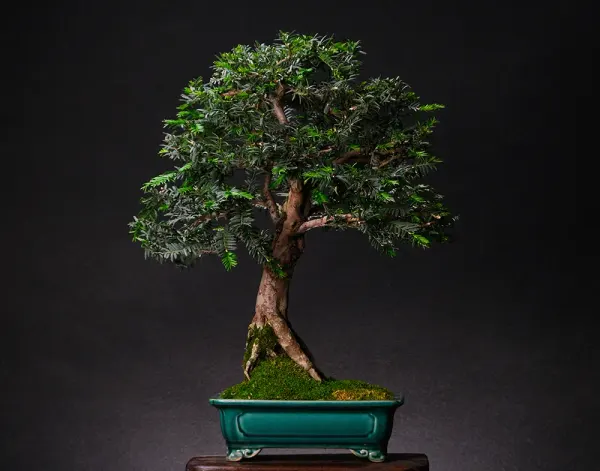
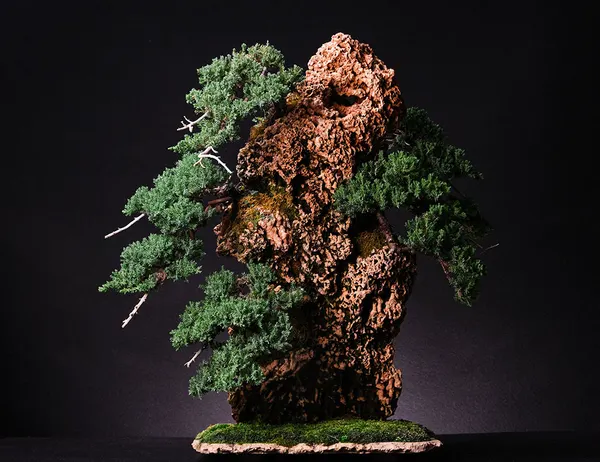
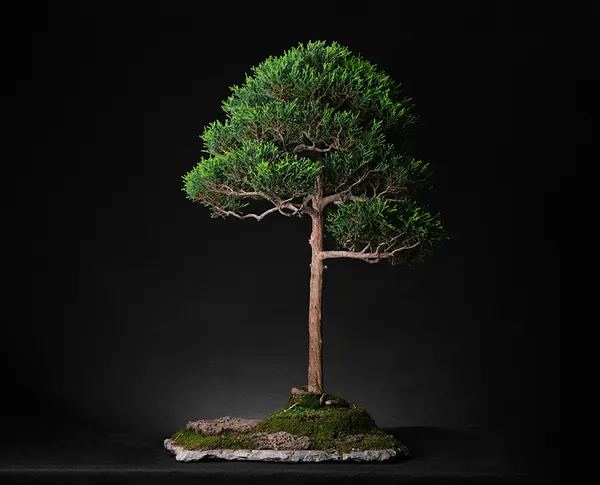
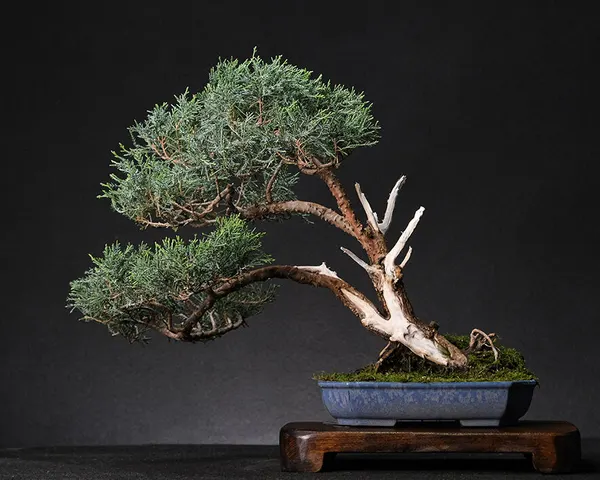
Why is bonsai so expensive? I would put the question differently: why can’t a bonsai be cheap? First and foremost, the main reason is, of course, time — the time it takes to create a bonsai. As a rule, a specialist needs at least 5–8 years to create a beautiful bonsai, and as many as 10–15 years for a refined piece. A tree is a living organism; it is not modeling clay that will obediently follow the master’s hand. Every young plant has its own nature and, so to speak, its own character, and if you don’t take these into account the tree will inevitably be ruined. No less important is the time and patience a specialist needs to master the techniques, because the first modest results come only after several years of work. Personally, it took me about 10 years to understand which methods would get me the result I wanted. Styling any tree is a specialized job, too. You can’t predict in advance how a tree will behave, and every stage of styling calls for constant attention and adjustment. No two bonsai in the world can be identical, so every tree needs an individual approach.
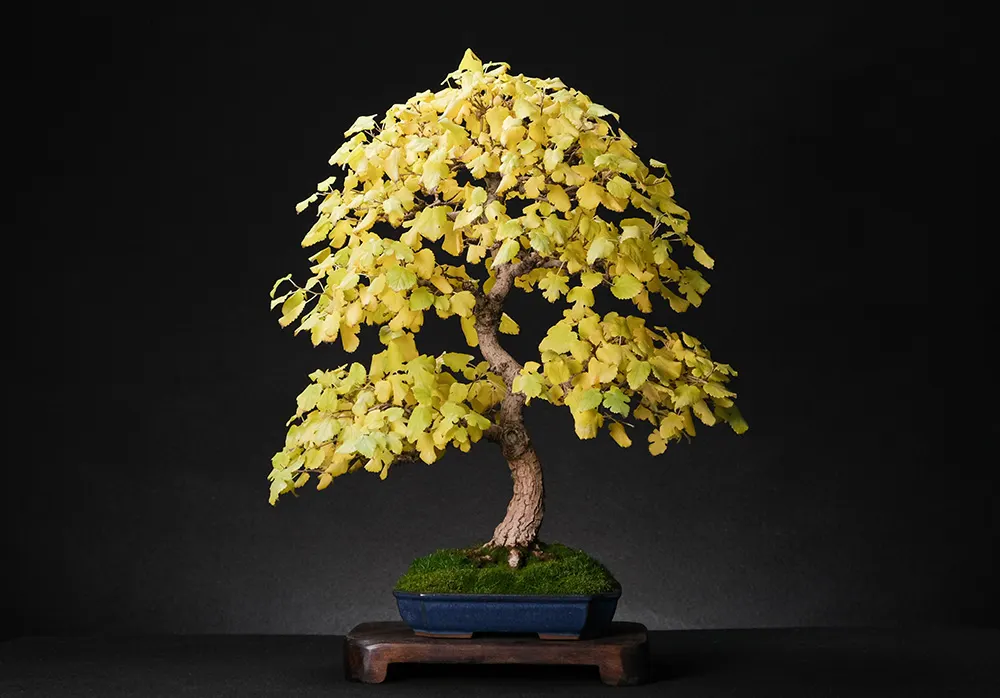
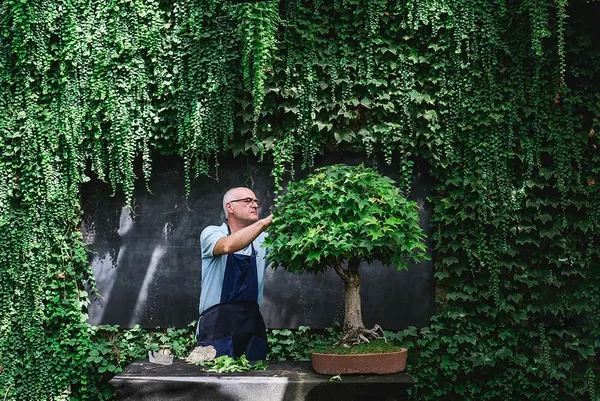
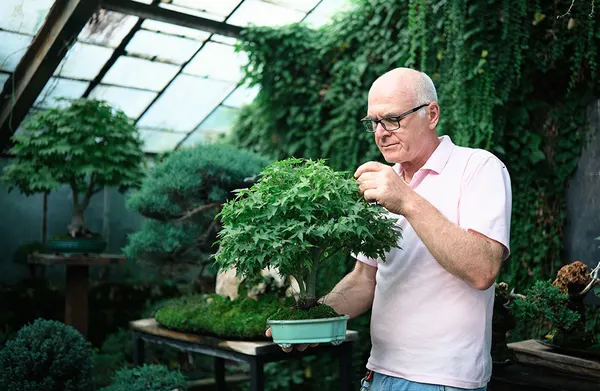
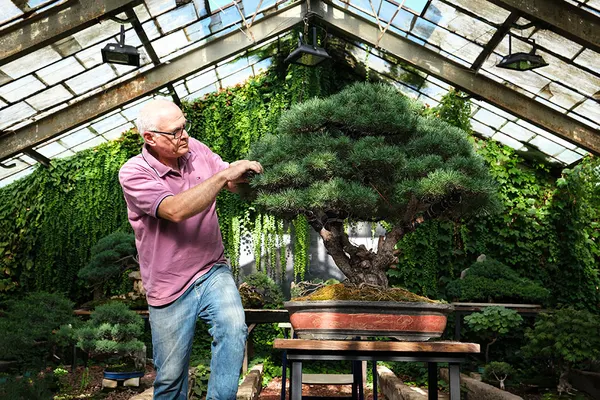
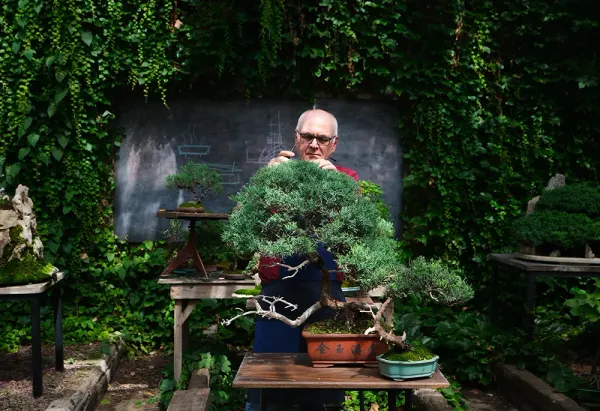
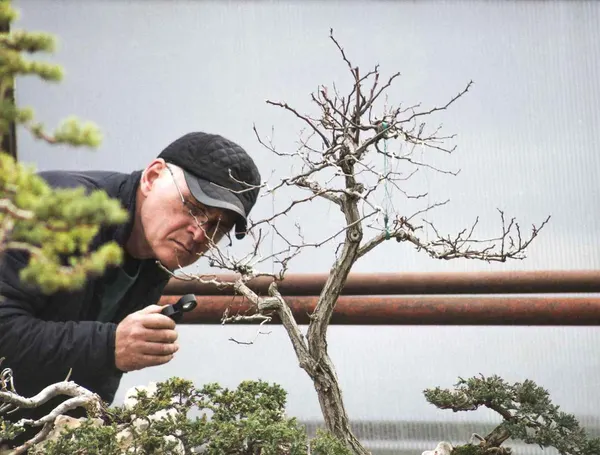
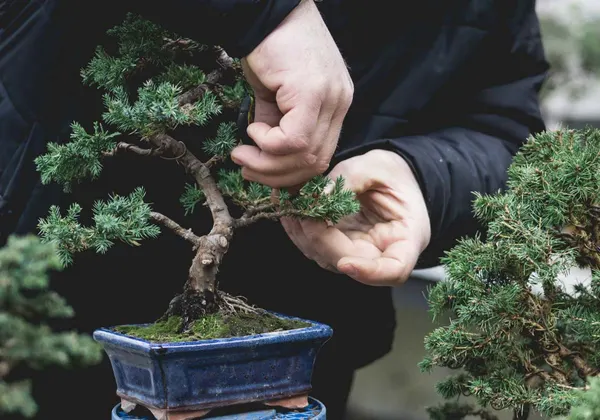
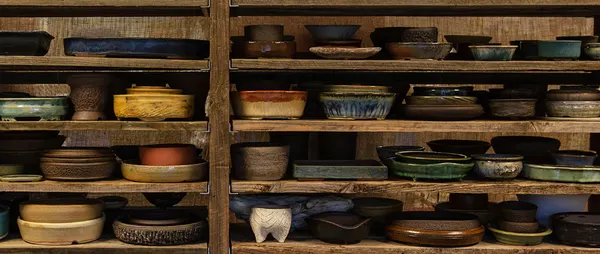
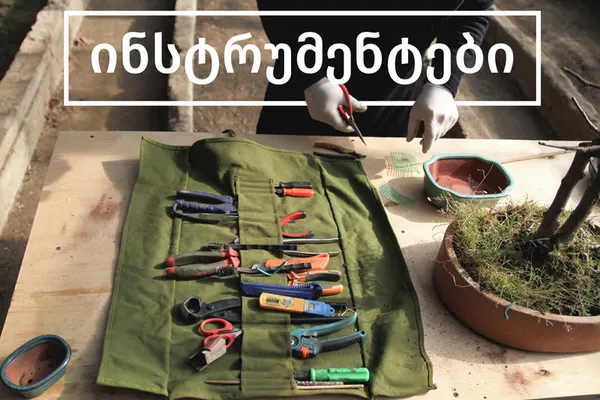
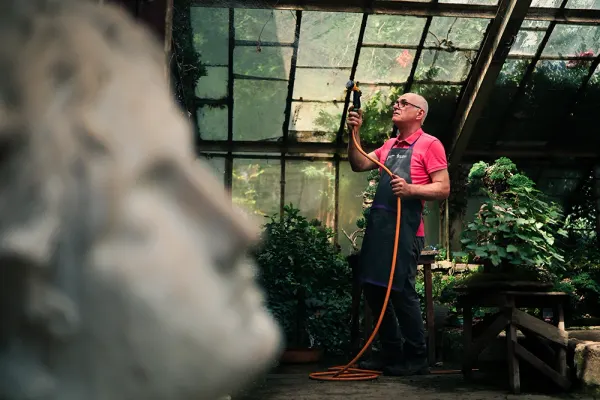
A bonsai specialist’s attention doesn’t slacken even once the styling stage is over. Even a little carelessness can kill a tree. A late watering, for example, can throw away all those years of work. Maintenance pruning to keep the shape is needed constantly; otherwise the tree will lose its shape and the very beauty that took so many years and so much patience to achieve. The price of a miniature tree is also driven up by the fact that the things you need to create a bonsai are never cheap. A high-quality bonsai pot or tool is, as a rule, far more expensive than other garden tools or ceramics of the same standard.
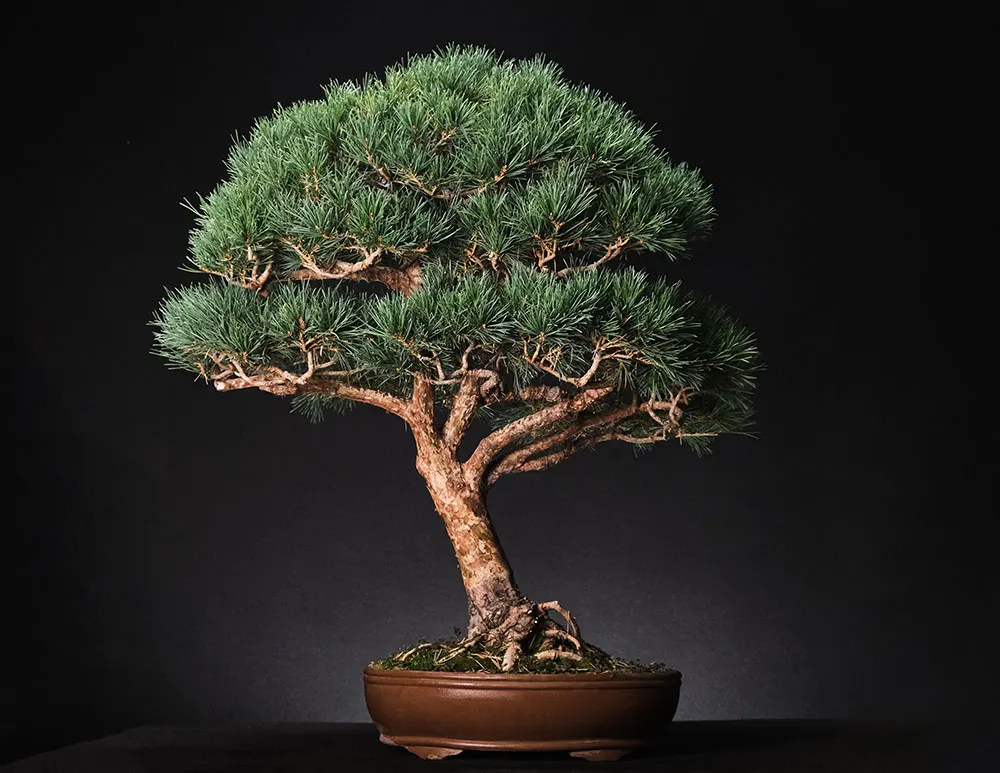
At the beginning, of course, you can achieve some results with cheap, lower-quality materials. But cheap things are neither durable nor made from the best materials. This makes the styling process harder, and in the end it shows in how the bonsai looks.
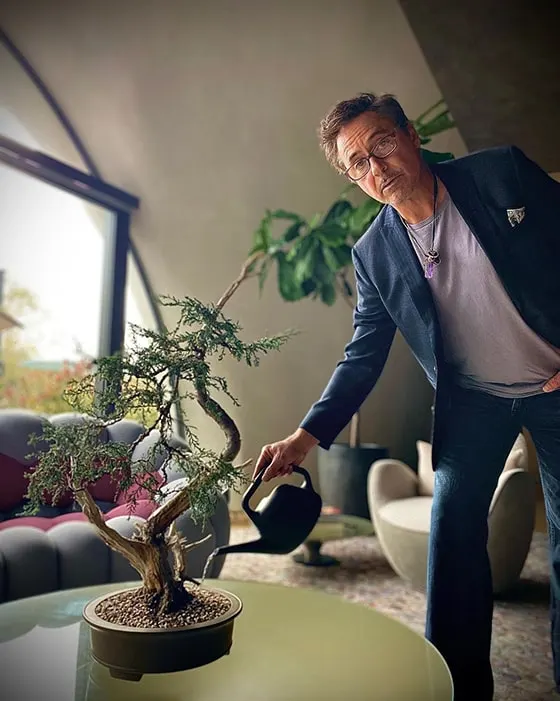
In recent years bonsai has become more and more popular. It has also turned into a status object. In developed countries a great many people, including celebrities, buy bonsai to underline their own refined and unique taste.
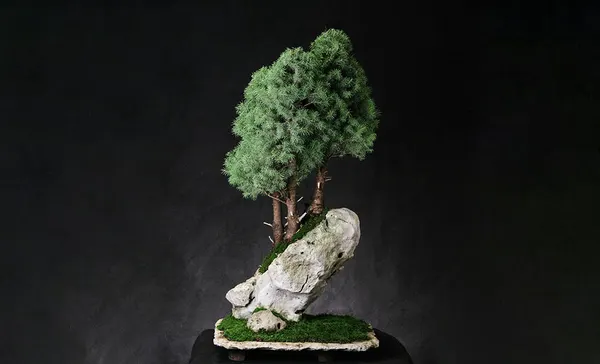
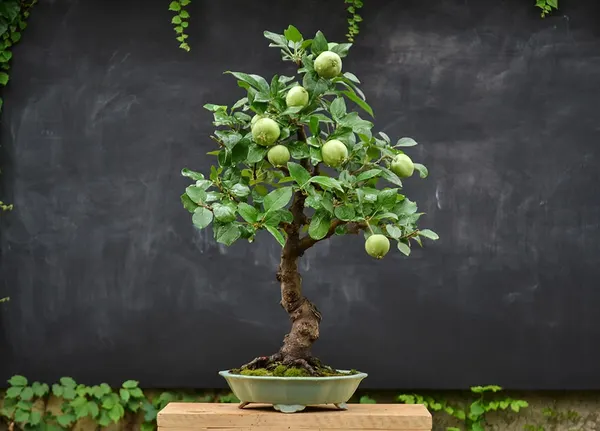
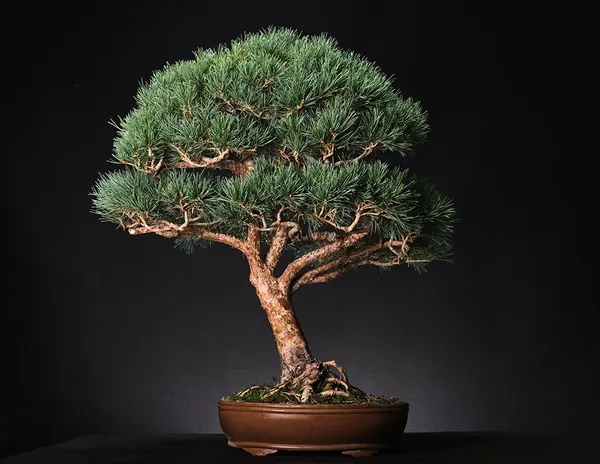
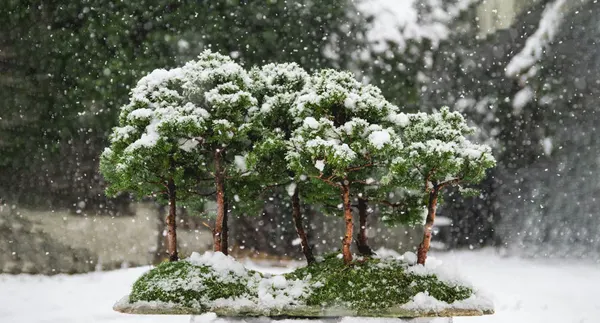
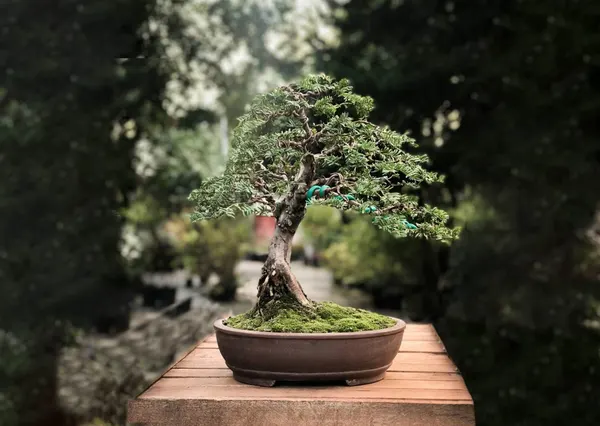
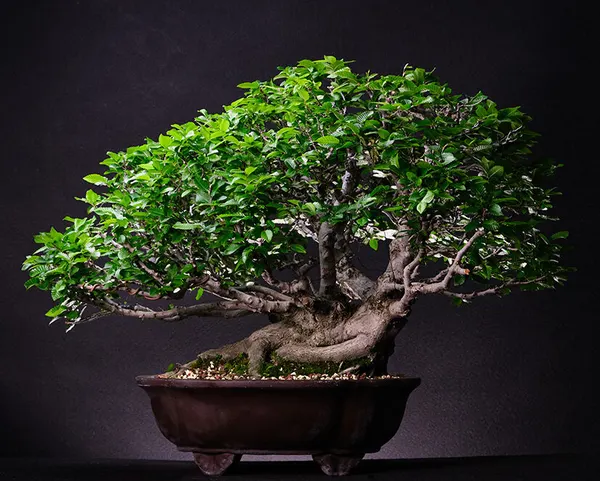
The other side of this popularity is that a huge number of plants sold as bonsai have appeared on the market, even though they have no connection whatsoever with this Japanese art. They are called bonsai only because they are small and in a pot. These trees are, as a rule, commercially produced mass-market goods, usually sold in garden centers. Accordingly, their price is much lower, and they are of little value to bonsai enthusiasts because they have not been properly styled. So a specialist who decides to sell his own work usually asks quite a large sum. If you look online for fine bonsai specimens offered for sale, their prices range on average from $1200 to $15000. Collectors, however, pay far larger sums to acquire traditional, unique bonsai. In conclusion, we can say that bonsai will never be cheap, and there is nothing wrong with that, because unique works that have taken a great deal of time and energy are almost never cheap.