Grapevine bonsai
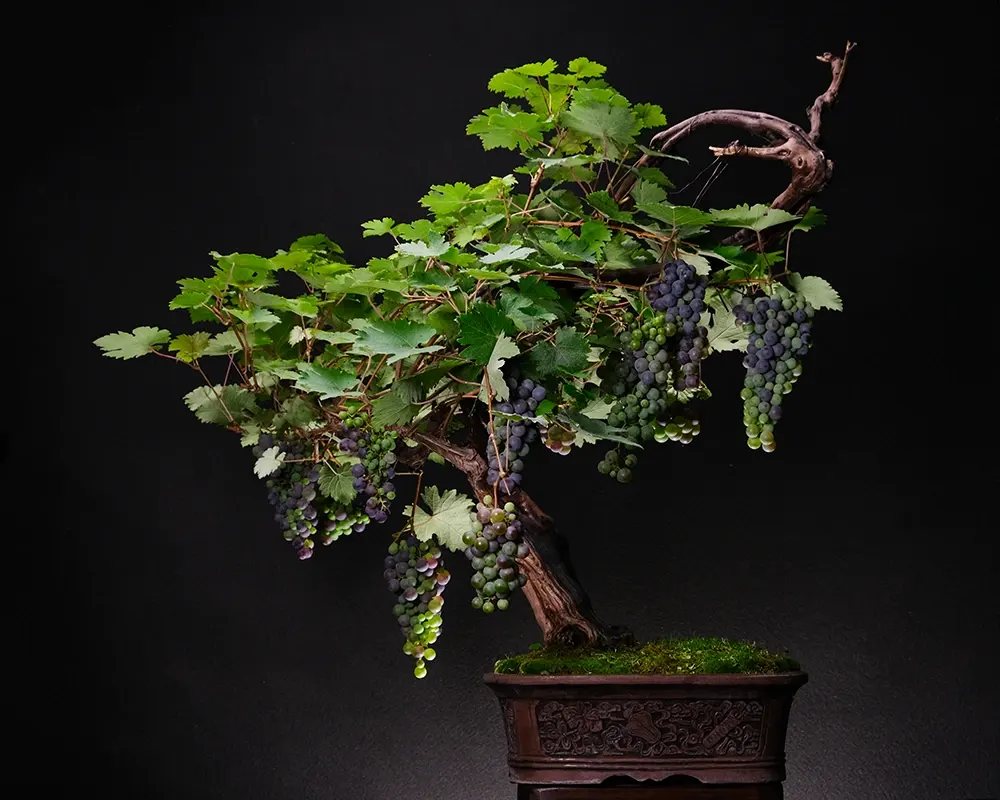
The grapevine (Lat. Vitis) is a genus of plants in the grape family and includes about 70 species, found mainly in warm and temperate regions. Up to 4,000 grape varieties are known, differing from one another in their botanical, agronomic and economic traits. Georgia has up to 500 native varieties.
A vine growing in the wild is a climber, attaching itself to supports with its tendrils. Its bark is brown and over time peels away from the stem in strips.
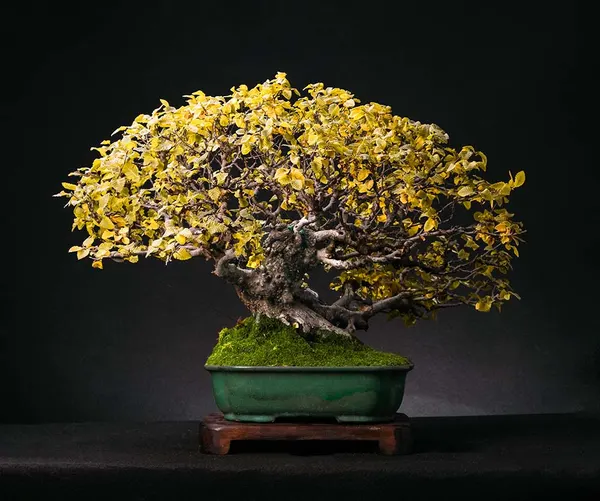
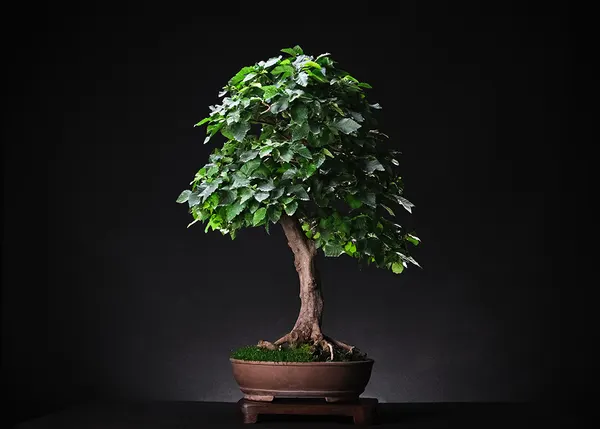
The grapevine has been cultivated since ancient times, but in the bonsai world it is quite a rare and not very popular choice. As a rule, bonsai specialists don’t consider the vine a suitable plant for the art. The reason is that it is difficult to style: because of the way a vine is built, it is almost impossible to make a bonsai with classical aesthetics from it. So, apart from very, very rare exceptions, you will struggle to find a beautiful grapevine bonsai even online.
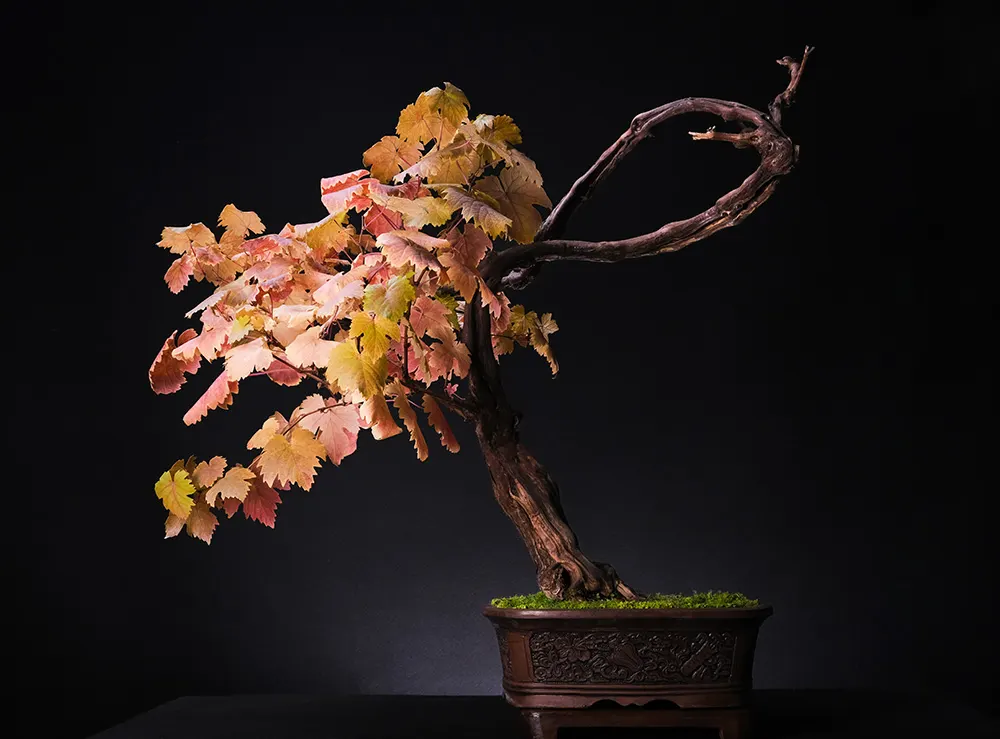
For us who live in Georgia, though, the vine carries a special significance. That is why, years ago, we decided to try creating grapevine bonsai, and at the moment we are working on about ten of them. Most come from Imereti, from our native Baghdati. Most of the vines we work on are, as a rule, considered too old by winemakers here, and that is why they get dug up.
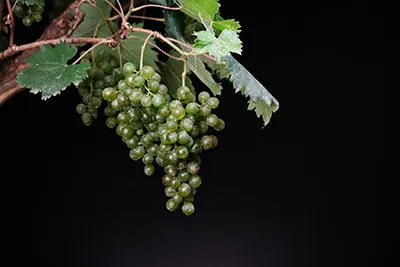
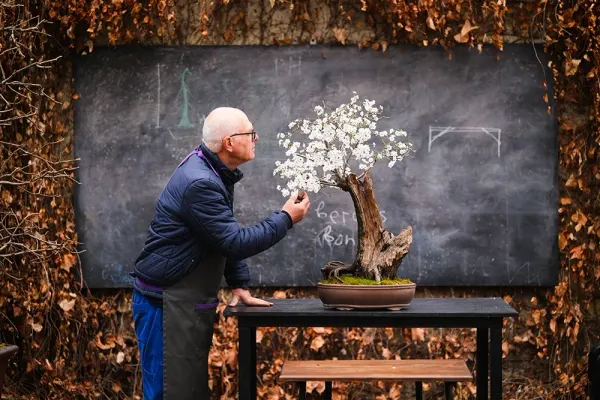
I can’t say that I consider the grapevine bonsai the best of my work, but the fact is that they usually attract the most attention and admiration from Georgian audiences.

This year, for the first time, we also made wine from the vines. I doubt it will turn out especially tasty, since I don’t have much winemaking experience. But anything can happen, and those 400 milliliters of Tsolikouri our bonsai produced may yet pleasantly surprise us.