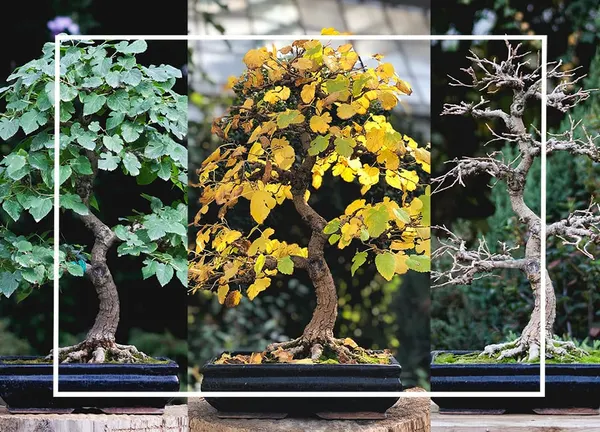
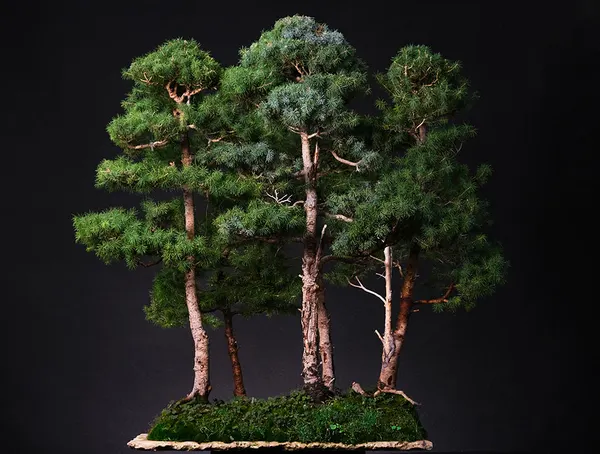
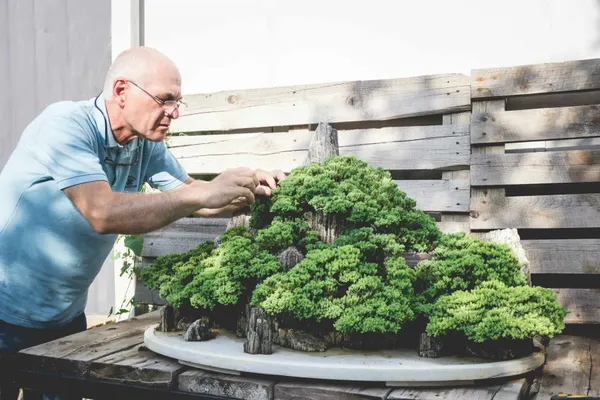
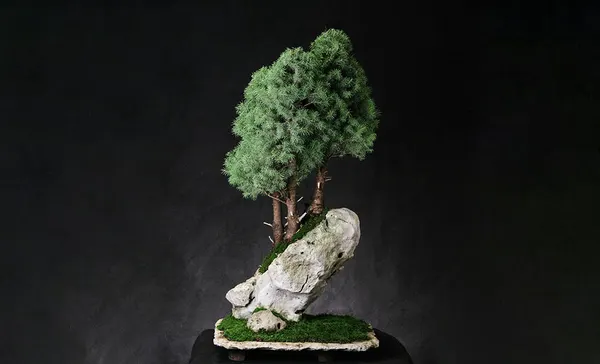
Bonsai and the internet
The beginning. When I started working with bonsai, I had only one book, and I have often said that because there was no internet back then, I lost a lot of time figuring out how a bonsai could be created. I didn’t expect quick results; I just needed the right direction. I worked out fairly quickly how to repot deciduous trees properly, cut back branches, trim and wire. It took me longer to understand the “character” of conifers. But how to guide the styling correctly – the most important thing of all in the art of bonsai – turned out to be quite hard to grasp. It is important to understand that only a naturally, beautifully styled tree planted in a suitable pot is a bonsai, not just a small plant in a small pot.
Five or six years after I started, I had about twenty young trees, of which only a few could be considered a good start. At least, that is what I thought at the time.
A few years later, when the internet became available in Georgia, looking through photos and videos of experienced specialists’ work paid off. Little by little I seemed to grasp certain principles of styling a tree. There is no doubt that videos and photos are quite a good guide for a beginning enthusiast.
But I think that learning bonsai styling over the internet, just by watching videos and photos, is incomplete. First of all, it is hard for a beginner to tell whether a video was posted by an experienced specialist or by some beginner who thinks they already have the “right” to teach others how to make bonsai. Not only in Georgia but abroad too, plenty of enthusiasts, after 3–4 years of work, believe they already know bonsai styling so well that they can “lecture” others. You will come across such videos very often on YouTube, on the channels of various bonsai “specialists”.
It is also worth noting that you will very rarely see a picture of what became of that tree even a year after it was styled. After all, nobody posts a video or photo of a failure. It is better to look first at the work this person has actually done, and only then decide whether their experience is worth taking on board. Don’t trust information you have seen or read only once – always check it against several reliable sources. It is essential to look through many different photos and videos, and above all to read instructional articles.
We should also note that beginners are often “fooled” by the apparent ease with which an experienced specialist styles a bonsai, and seeing it, they think they will soon be able to achieve the same result. Videos posted online almost never explain the “little things” you need to know so that the tree is not ruined later and the styling proceeds correctly. That is why many years of hands-on work are needed to achieve the result you want. A beginning enthusiast has to recognize their own mistakes, analyze them and draw the right conclusions.
Questions like these are very common: “What do I do now?”, “When should I repot?”, “When should I cut the branches so the tree doesn’t die?”… and so on. You can’t get anywhere by asking one question after another like this. A beginner must read and thoroughly absorb everything to do with bonsai: cutting back branches, trimming, wiring, repotting. They should master watering and the other requirements of care. They must know at what time of year each task is done, and only then start working on a bonsai.
So anyone who wants to take up the art of bonsai seriously needs:
-
to take in a great deal of theoretical information
-
many years of hands-on work to understand bonsai
-
to check every kind of information and find out how qualified your “online teacher” really is
Without these three things it is practically impossible for anyone to achieve any success in the art of bonsai – probably just as in any other field…