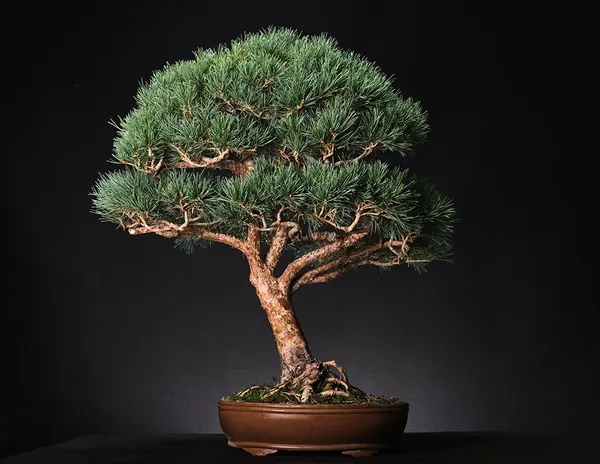
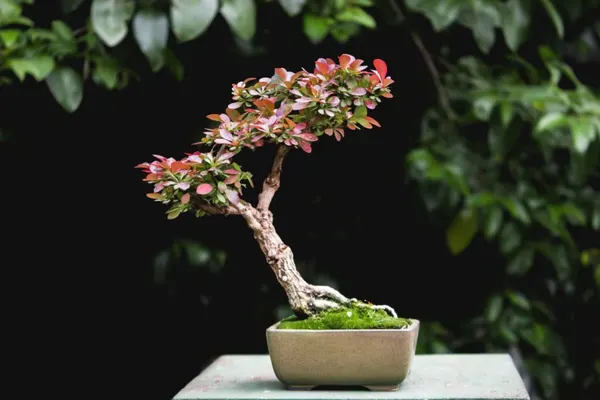
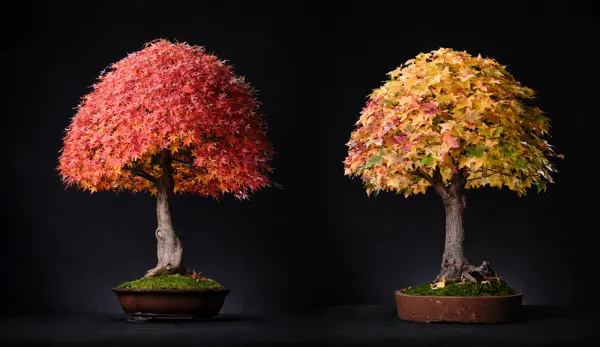
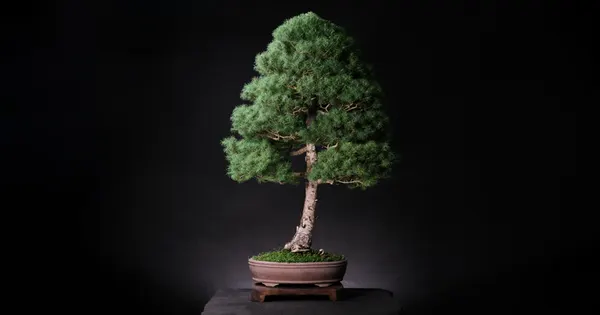
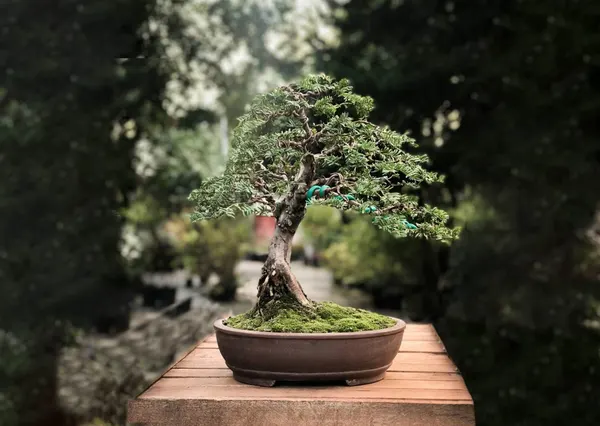
Refining a bonsai's shape and keeping it miniature (conifers)
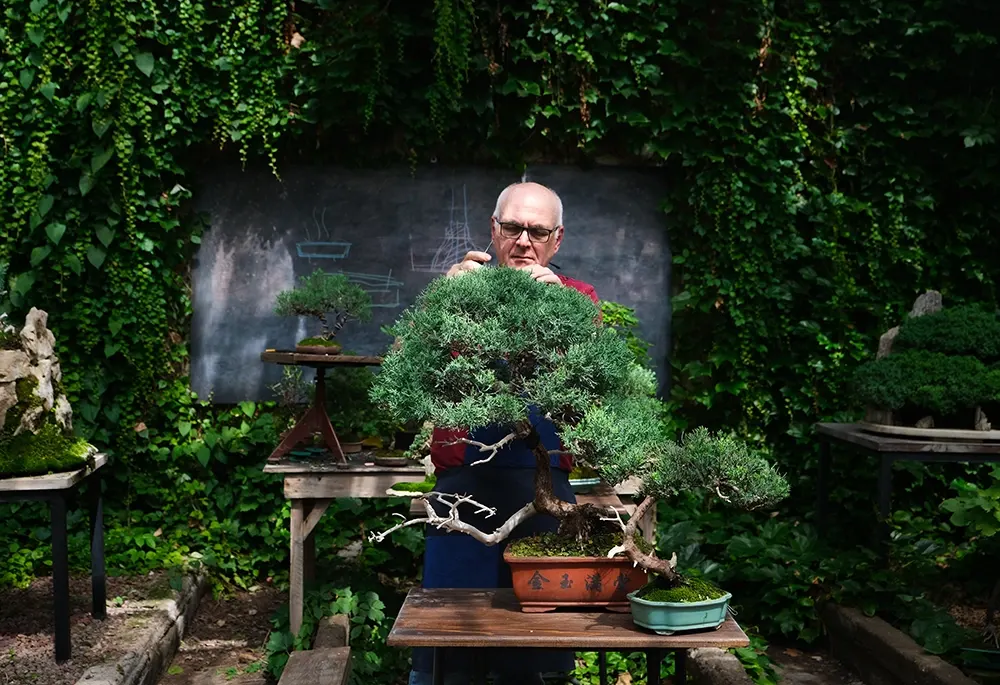
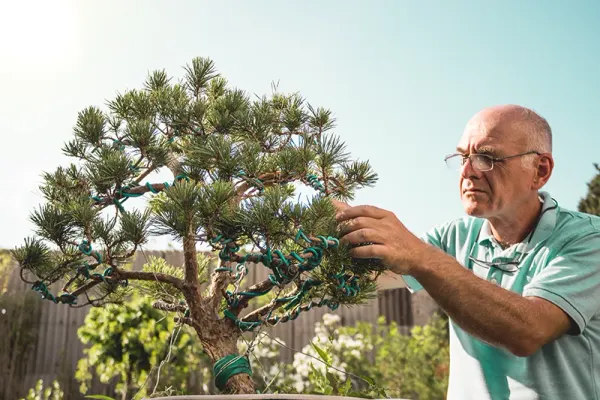
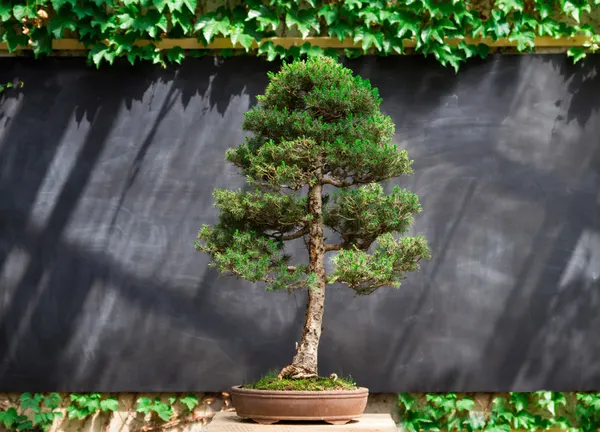
Once the first stage of styling is complete (all unwanted primary and secondary branches have been cut off and the branches wired into the desired positions), we need to turn our attention to refining the canopy and keeping the tree miniature. A bonsai needs maintenance pruning to preserve its shape and size throughout its whole life.
No young tree will take on the shape we want after its very first pruning and wiring. It always turns out that the branching is too sparse in some part of the bonsai, or that some branch is not the length we want. It is very hard to say at the outset how long a particular tree will take to reach a “perfect” shape. That depends on the way the plant grows and on the experience of the person working on it. So you will always have to wait patiently, year after year, as the tree develops, and act accordingly to get the result you want.
One of the most important features of how a plant grows is that some parts of it dominate the growth process and develop more strongly. In nature a tree spends very little energy on developing the branches inside the canopy; it concentrates on directing its main resources into growing taller and wider. For a bonsai, however, we need the tree to develop evenly and to keep the canopy in the shape we want. So if we don’t restrain the dominant growth in certain areas of the tree, the proportions, size and shape we want will very soon be lost.
It is impossible to solve this problem for good with one or two prunings. After a while, new growth will appear again in some areas of the tree and the pruning will have to be repeated.
Conifers grow considerably more slowly than deciduous trees, so the work needed to maintain their shape is done less often, but it demands more care.
Conifers differ quite a lot from one another in the shape and size of their needles and in the way they grow. After pruning, each species responds in its own way. On some conifers several buds form at once at the tip of a branch.
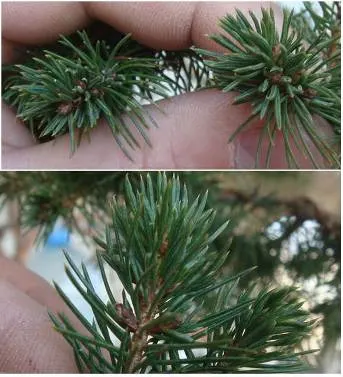 In that case some of the buds need to be removed. In strong areas leave only 1–2 buds, in areas of moderate growth 2–3, and in weak areas let all the buds develop freely.
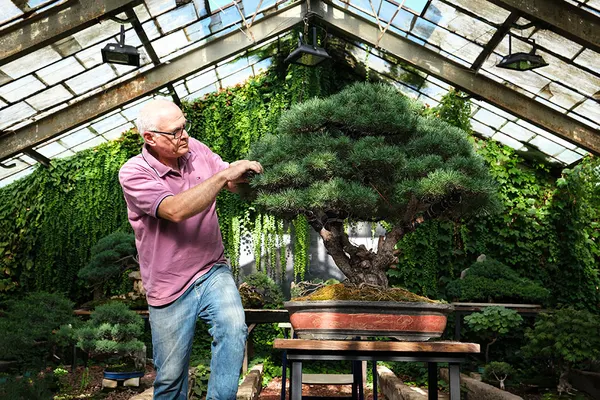
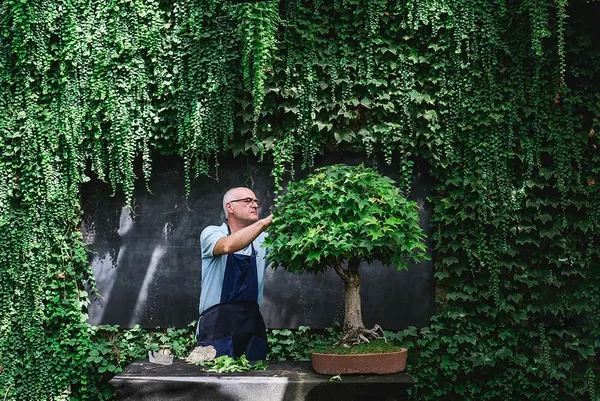
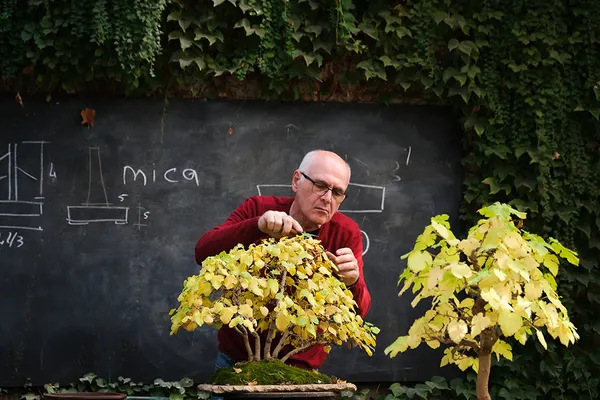
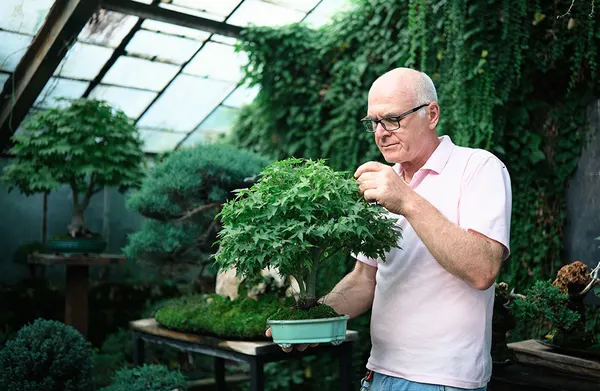
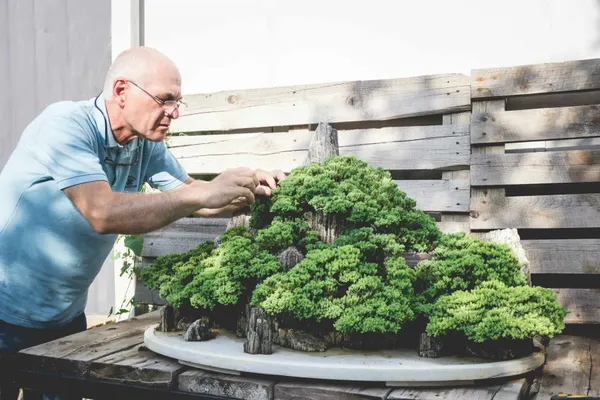
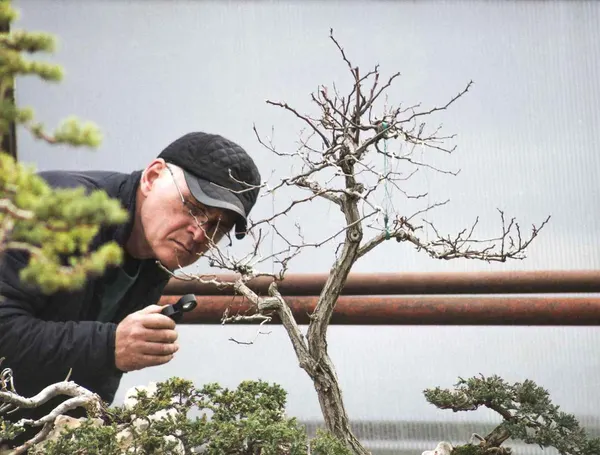
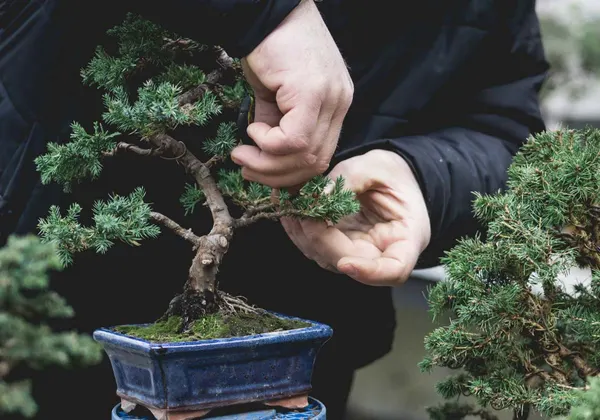
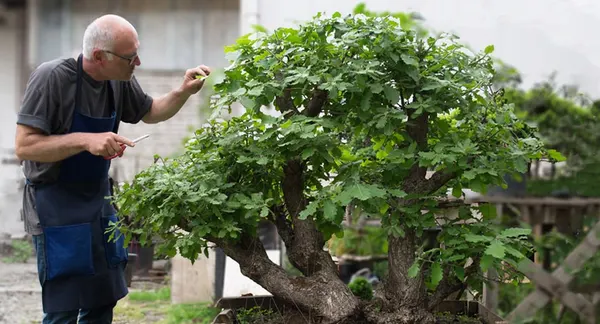
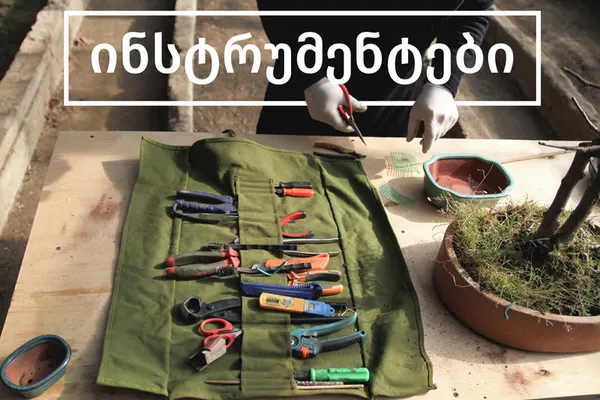
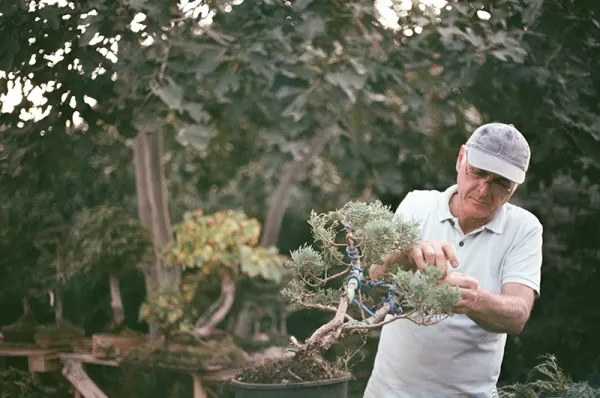
To maintain the shape, overgrown branches are shortened with small scissors.
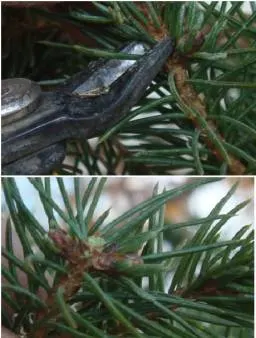
You can also use the so-called “twisting-out method”.
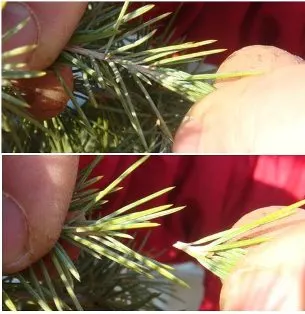
On a branch whose growth we want to restrain, the new shoot is allowed to grow to about 3 centimeters. Its tip is then held between thumb and index finger and 2/3 of the new shoot’s length is “twisted out” with a turning motion.
How often should maintenance pruning be done?
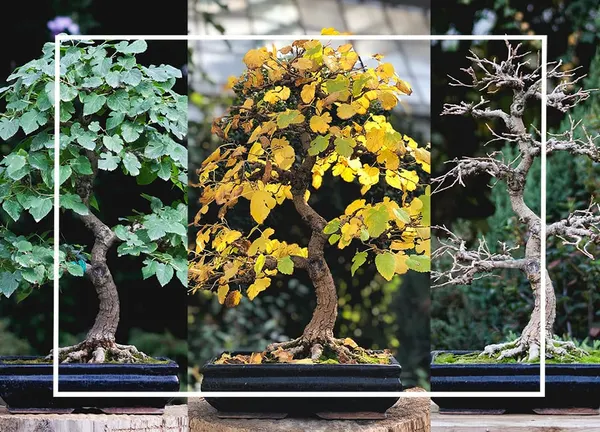
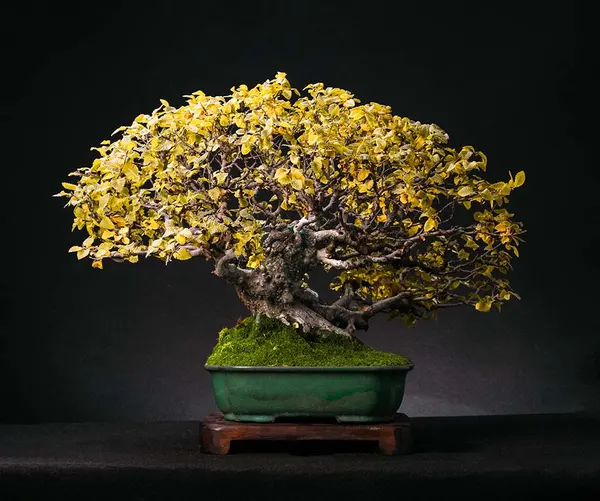
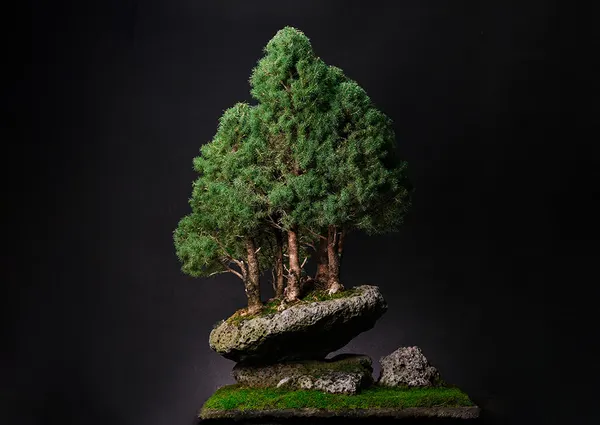
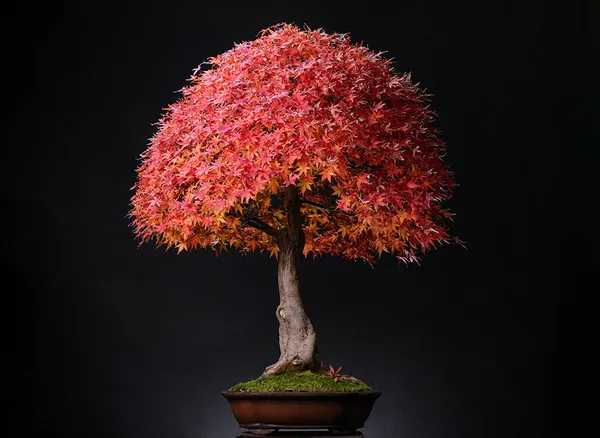
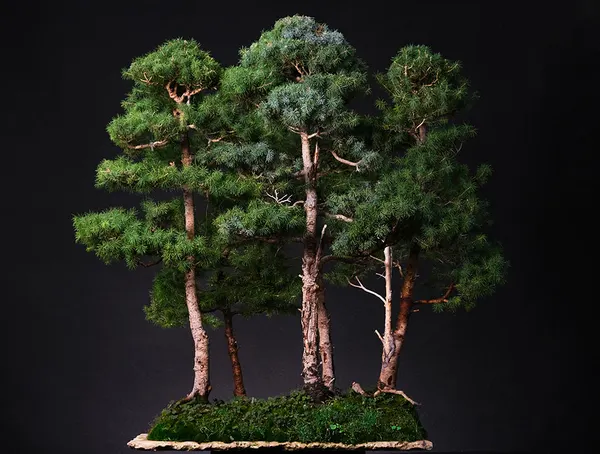
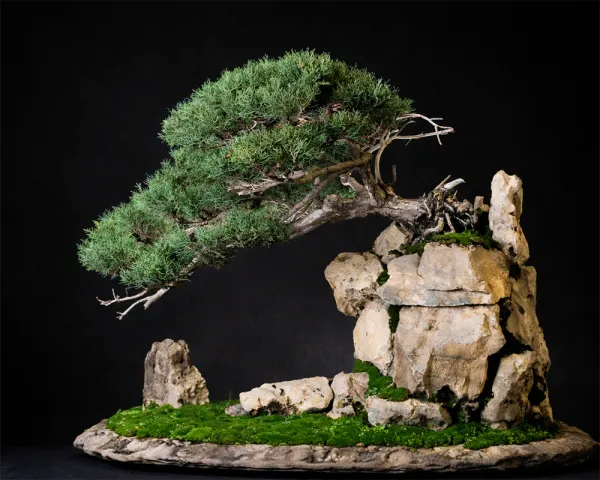
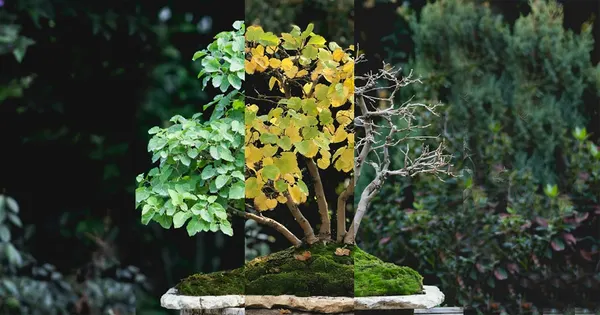
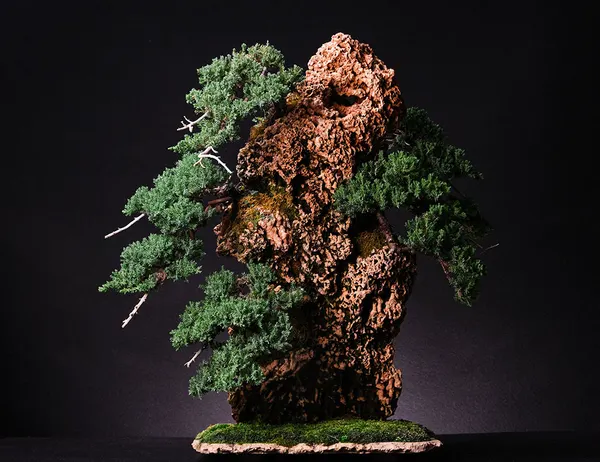
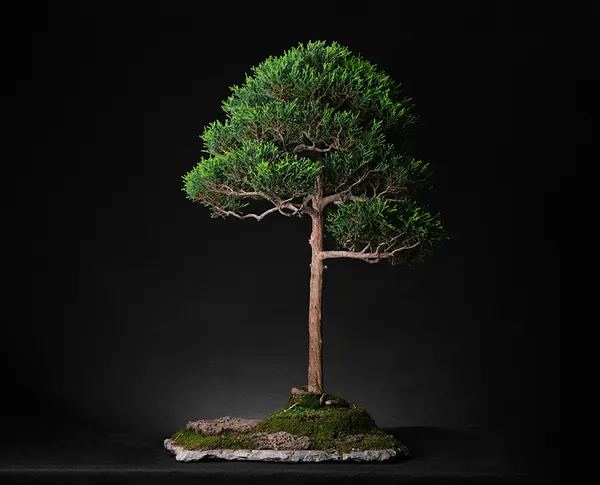
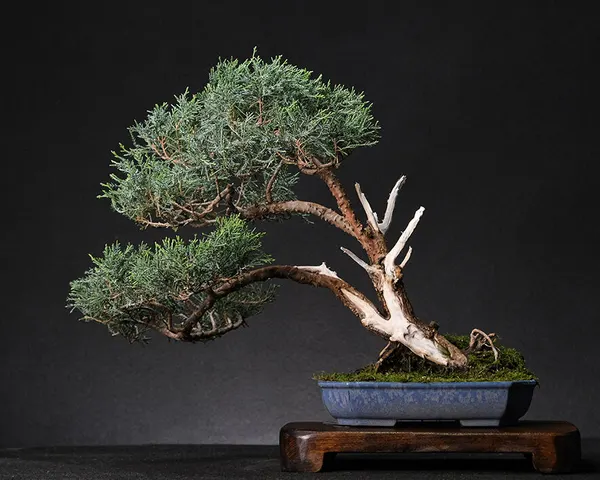
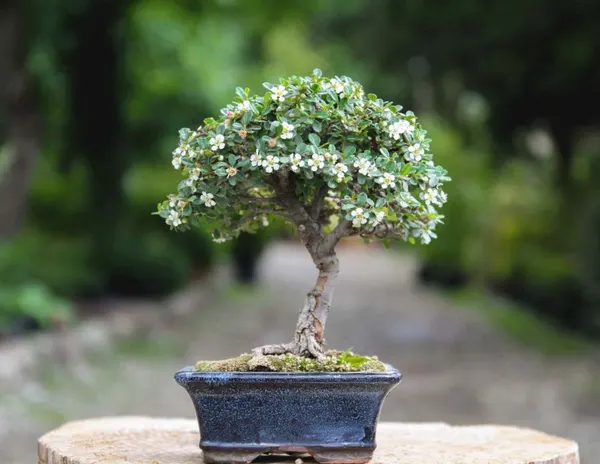
Of course, it is essential to keep the tree miniature and its shape refined, but at the same time we must not harm the bonsai through excessive “zeal”. A bonsai is pruned regularly, but a certain balance has to be kept. After pruning, the tree puts out new growth, which helps renew its structure. New growth is also a sign that the tree is developing healthily. But we should also know that every pruning is a certain “stress” for the tree and drains a good deal of its energy reserves. So the tree must be given a period of growth long enough to restore its energy for further development. When people see photographs of magnificent bonsai, they get the idea that a bonsai looks like that all year round. In reality, bonsai are exhibited and photographed when they are in ideal condition, but that condition is not permanent. Every bonsai needs a period of free growth, and during that time its beautiful appearance is temporarily lost. Each species has its own pruning period and frequency. Some can be left untouched for 2–3 months, while others need trimming once every 3–4 weeks. For slow-growing conifers, trimming just once a year may be enough. After the first heavy pruning, many specialists don’t touch the tree at all for 2–3 years (sometimes longer), letting it grow freely. Free growth helps thicken the branches, trunk and roots and promotes good development. During this period the tree is planted either in open ground or in some large container. After a while (once the tree has developed to the desired size), heavy pruning is done again. Knowing exactly how long to let a tree grow freely, how far to shorten the branches and how often to prune a bonsai in spring and summer is quite difficult and depends on the specifics of each species. Even a very experienced specialist faces the same difficulties when starting work on a species unfamiliar to them. Only a thorough study of each tree’s characteristics makes it possible to steer work on a bonsai in the right direction.