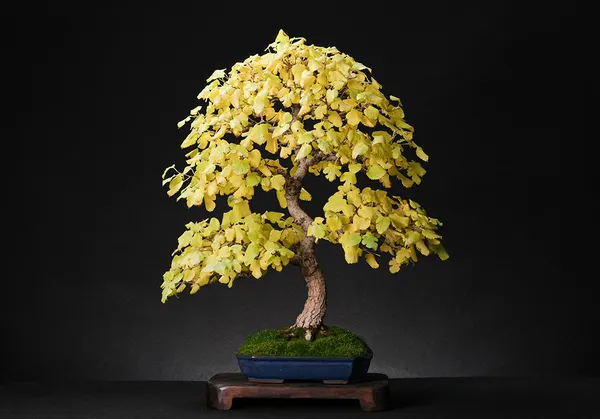
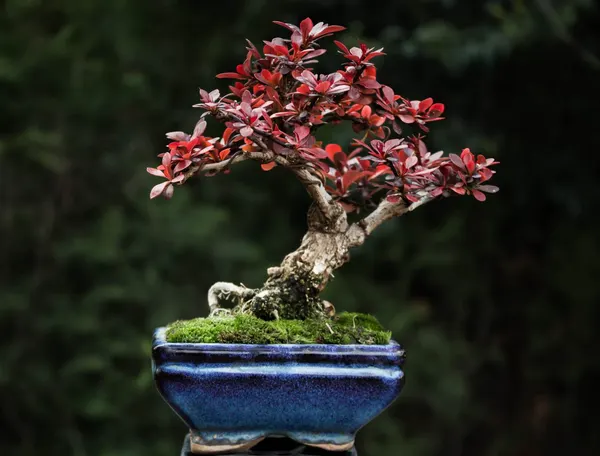
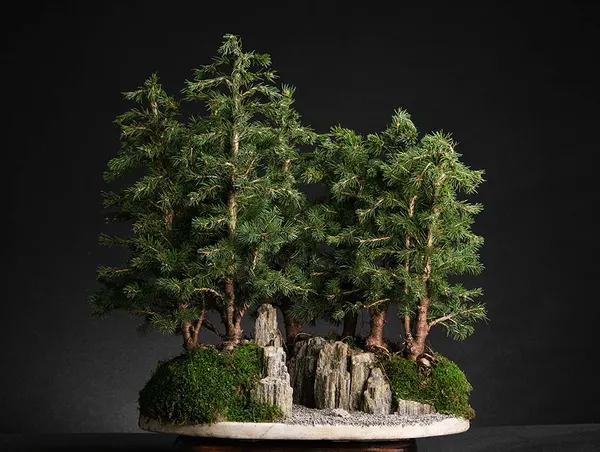
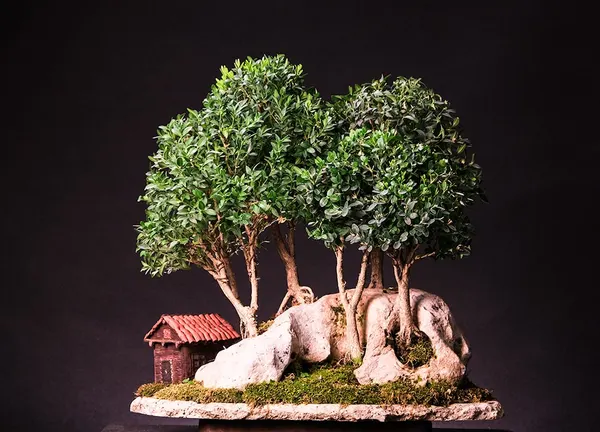
Refining a bonsai's shape and keeping it miniature (deciduous trees)
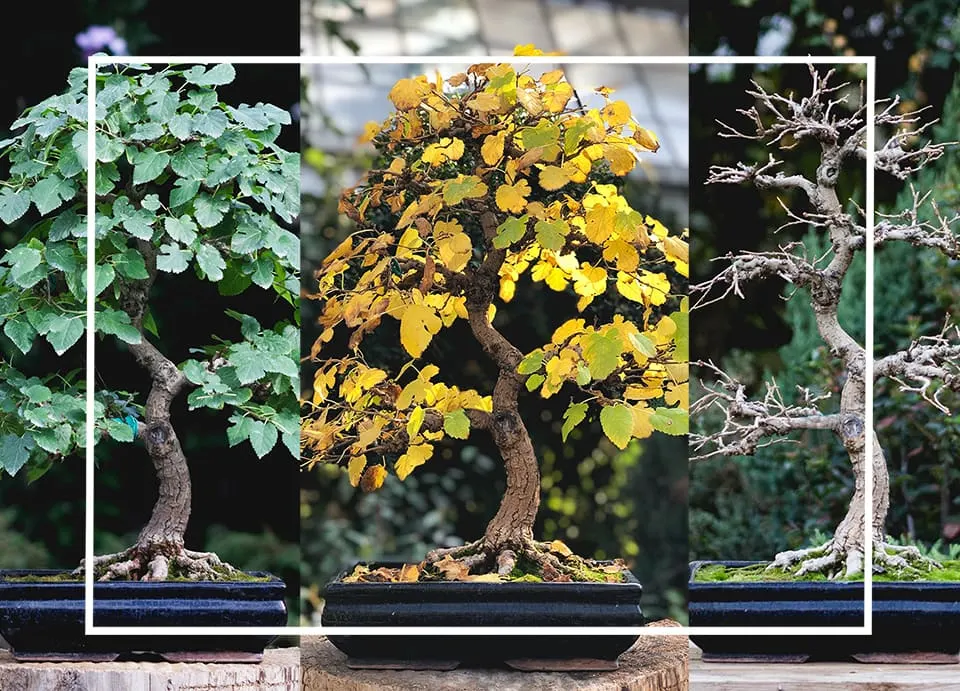
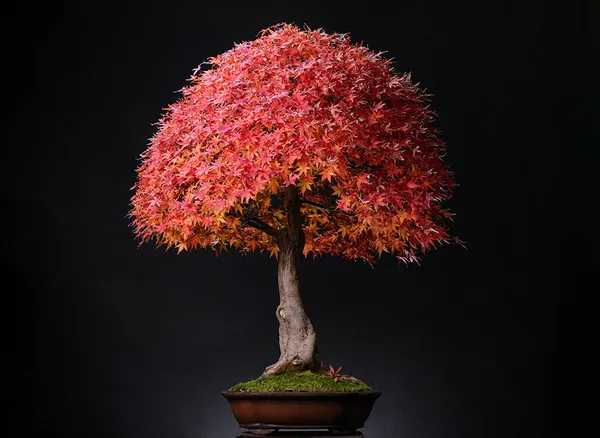
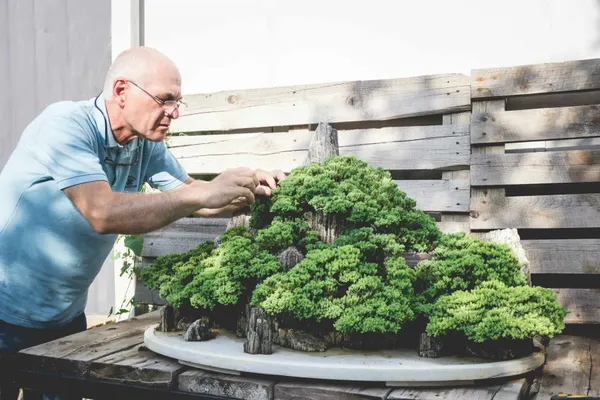
Once the first stage of styling is complete (all unnecessary primary and secondary branches have been cut, and the branches have been wired into the desired position), we need to turn our attention to refining the canopy and keeping the tree miniature. A bonsai needs pruning to maintain its shape and size throughout its entire life.
No young tree takes on the shape we want after its very first pruning and wiring. It always turns out that the branching is too sparse on some part of the bonsai, or that some branch isn’t the length we’d like. It is very hard to tell at the outset how long a particular tree will take to reach a “perfect” shape. That depends on how the tree grows and on the experience of the person working on it. So you will always have to wait patiently, year after year, as the tree develops, and act accordingly to get the result you want.
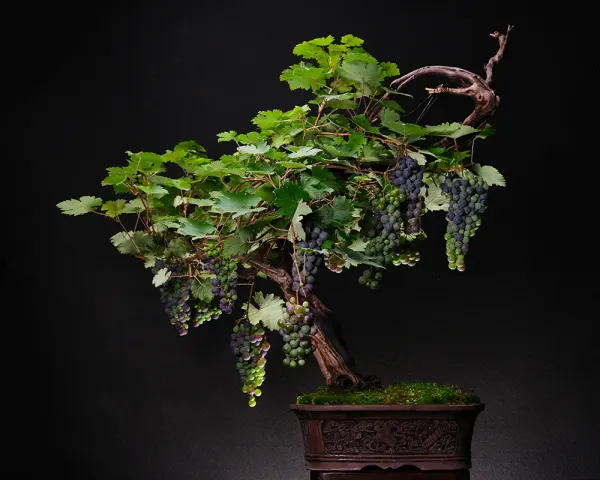
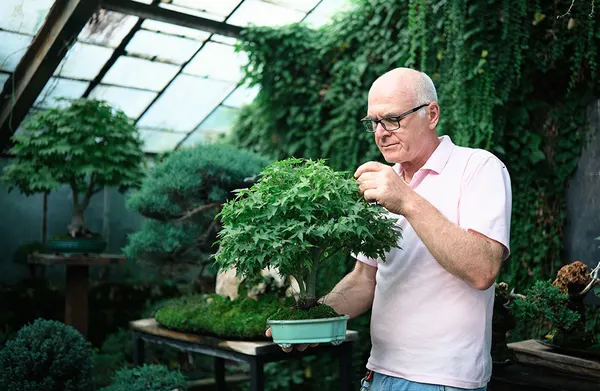
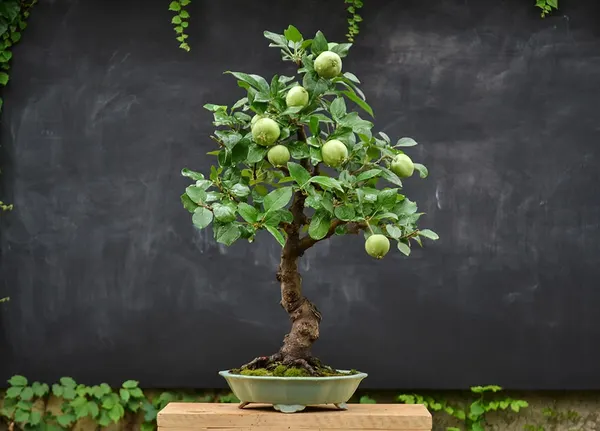
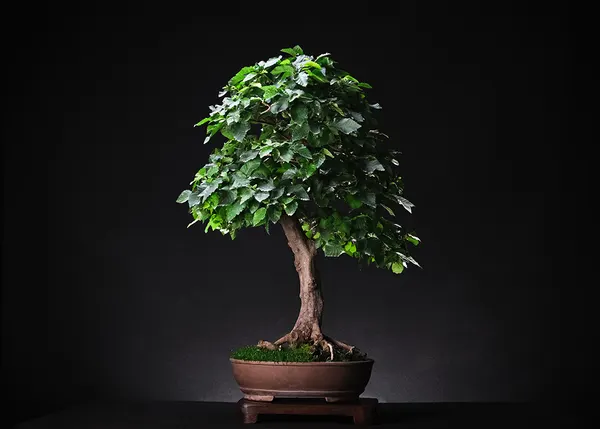
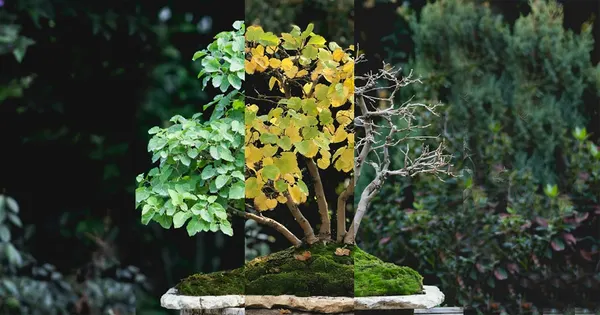
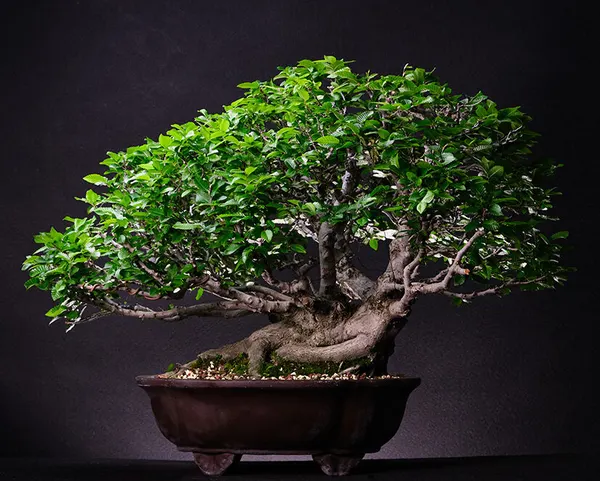
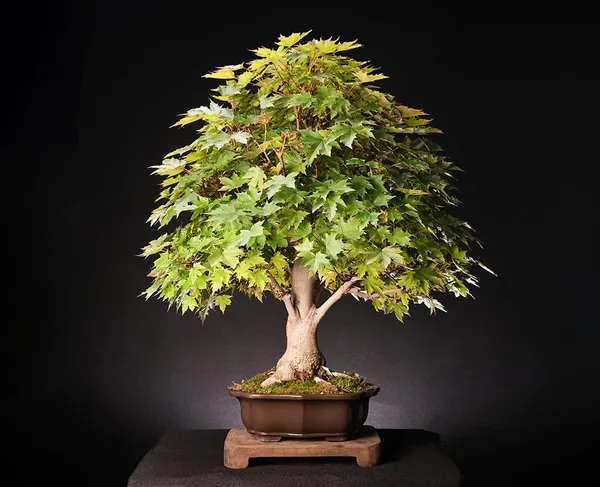
White mulberry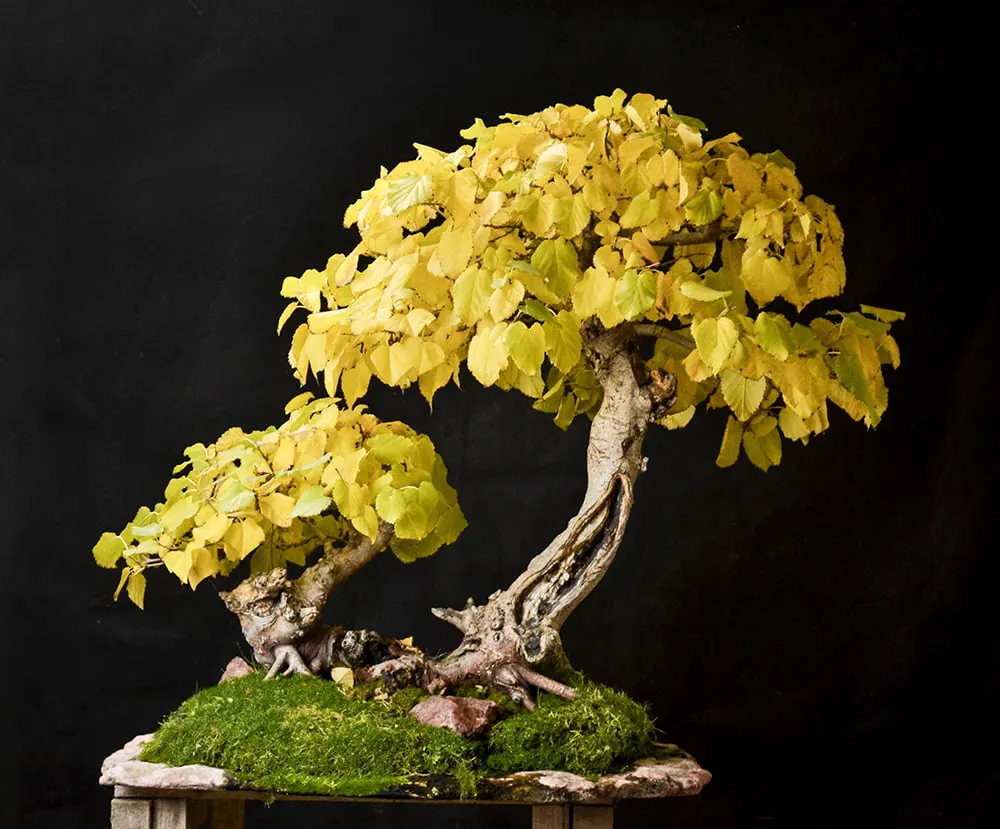
One of the most important features of how a tree grows is that certain parts of it dominate growth and develop more strongly. In nature a tree spends very little energy on developing the inner branches of its canopy; it concentrates its main resources on growing taller and wider. For a bonsai, though, we need the tree to develop evenly and to keep the canopy in the shape we want. So if we don’t restrain growth in the dominant areas of the tree, the proportions, size and shape we’re after will very soon be lost.
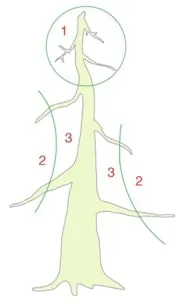
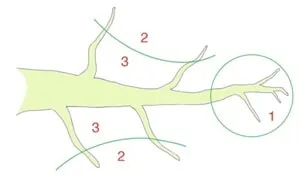
This problem can’t be solved once and for all with one or two prunings. After a while new growth will appear again in some parts of the tree, and the pruning will have to be repeated.
The first thing to pay attention to is the buds. Buds that serve no purpose for the bonsai and start growing in spring should be removed. There’s no point letting the tree waste energy developing an unwanted bud.
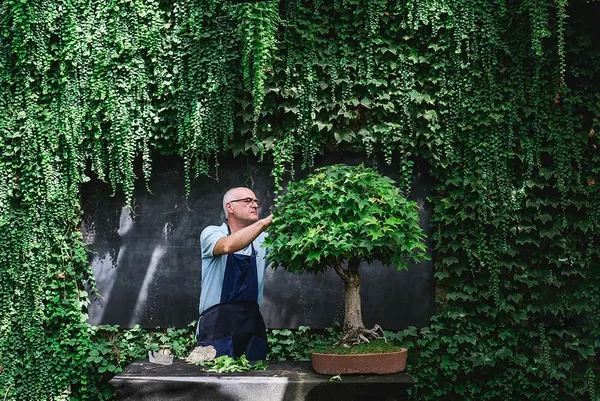
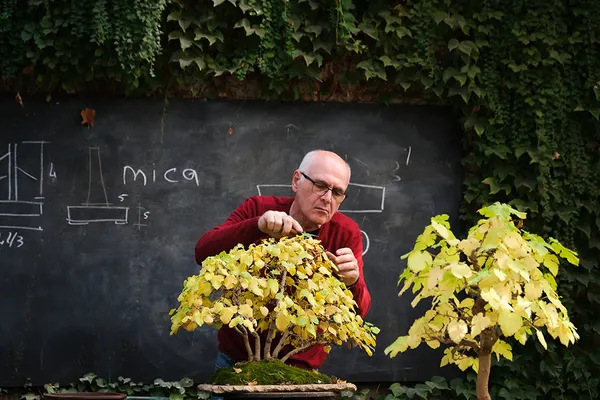
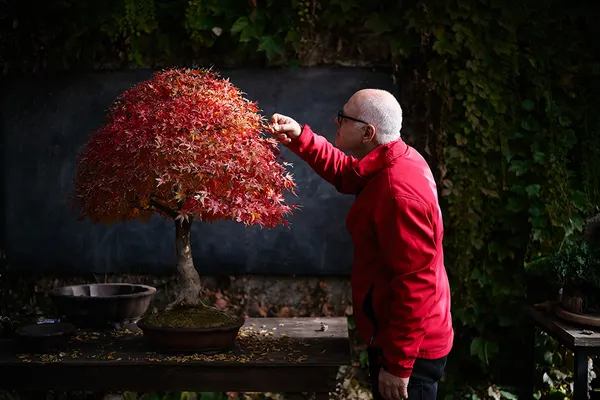
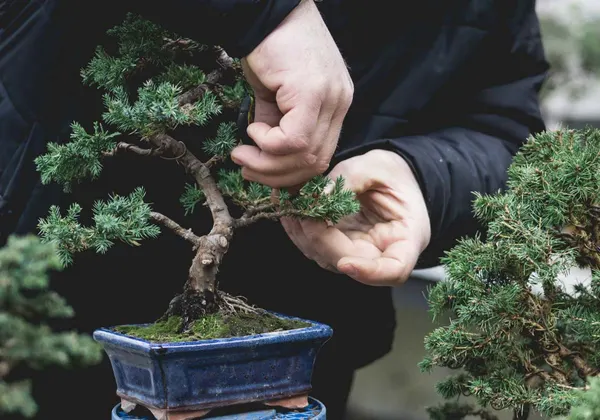
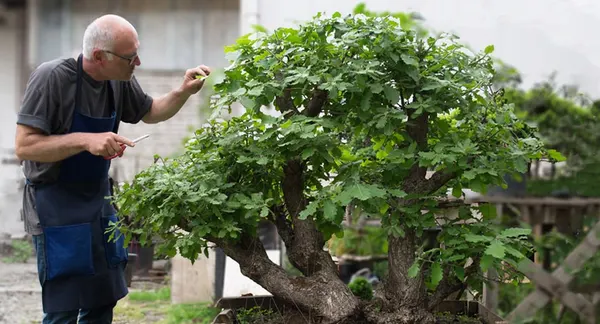
The way each branch is cut should be chosen according to its position on the tree. Special attention should be paid to the areas of dominant growth. In the upper and outer parts of the tree, new growth is noticeably faster and produces conspicuously thicker new shoots. If you can see that such a shoot will get in the way of your design, cut it off completely. To slow its growth, let such a shoot develop 4–5 leaves, and only then cut it back to 1 or 2 leaves.
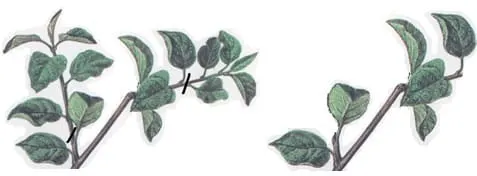
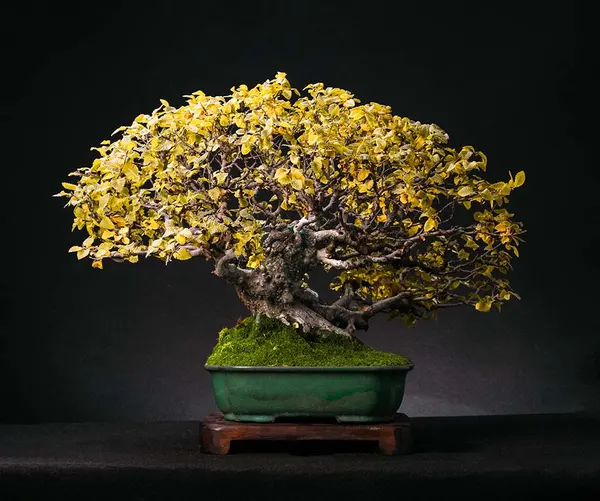
The shoot then temporarily stops growing. This lets us hold back growth in the dominant areas and so give the inner and lower branches an equal chance to develop. Branches located on the inside of the tree should be given more room to develop: let a weak shoot reach a certain length and gain a little strength, and only then cut it back to 3–4 leaves. After this kind of pruning the internodes become noticeably shorter. The leaves on newly emerging shoots also grow comparatively smaller. The canopy becomes denser. After years of pruning this way, the bonsai’s free growth is markedly restrained and the tree takes on a more refined shape.