Bonsai roots
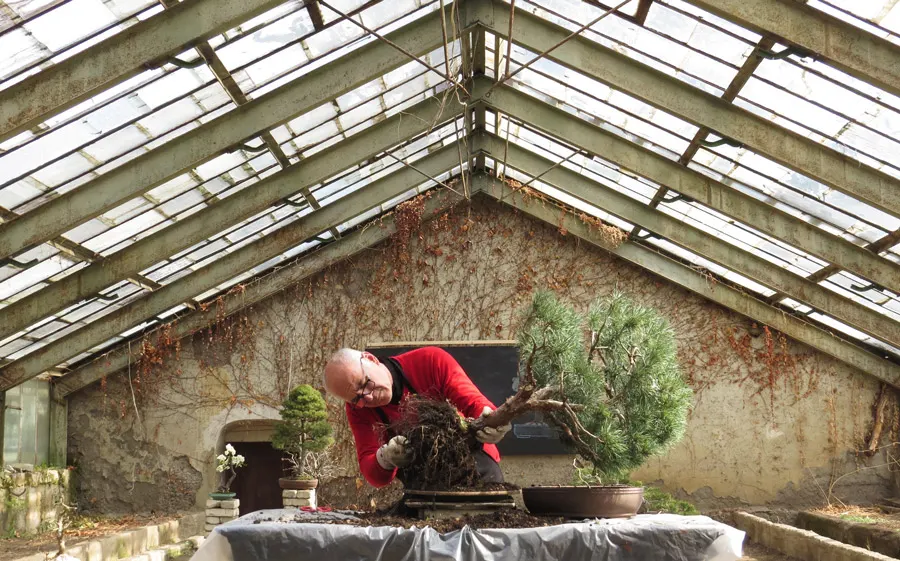
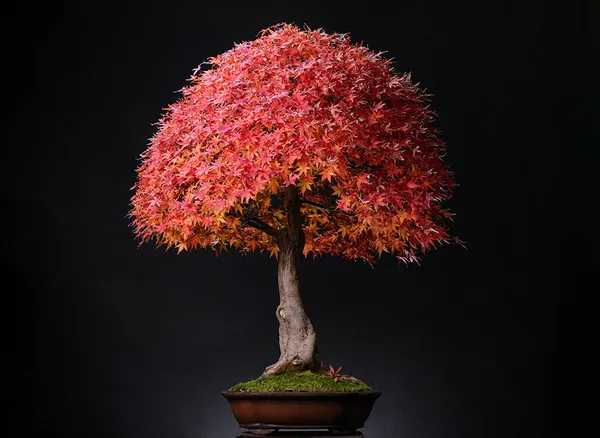
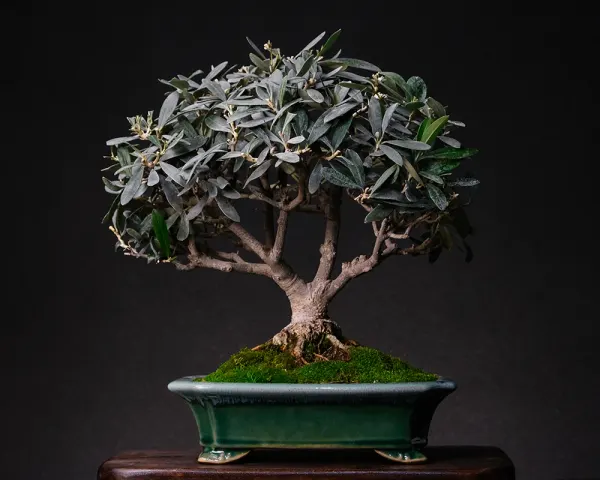
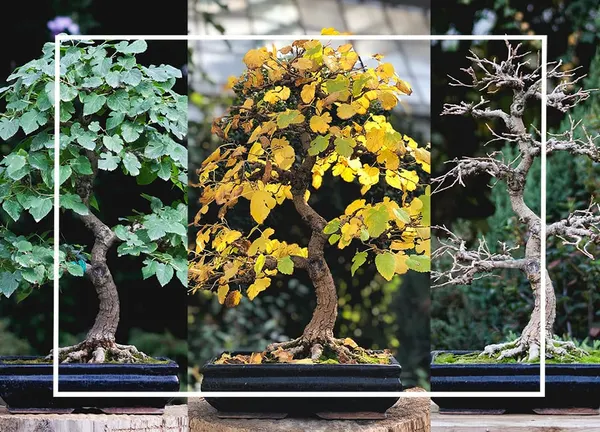
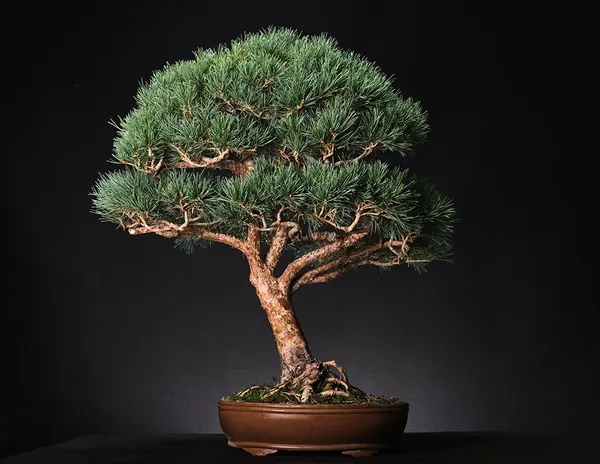
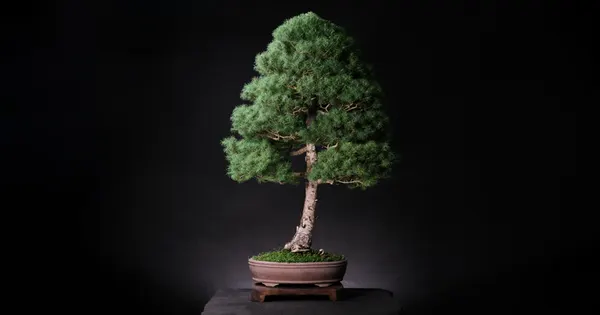
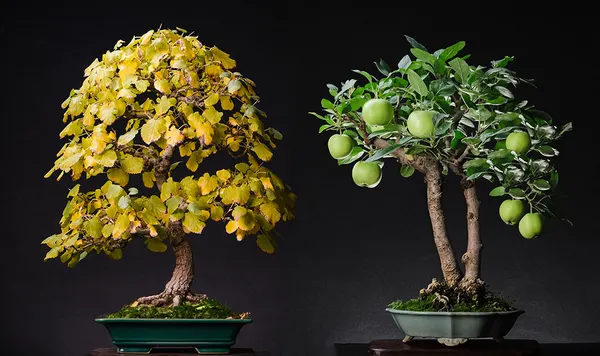
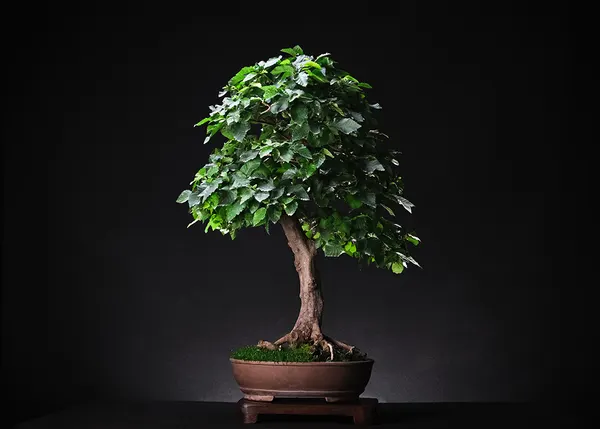
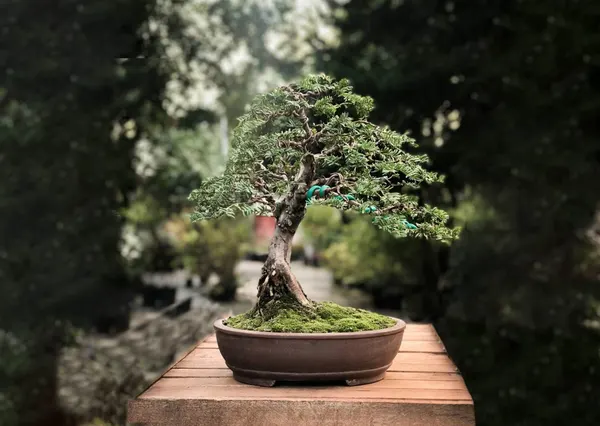
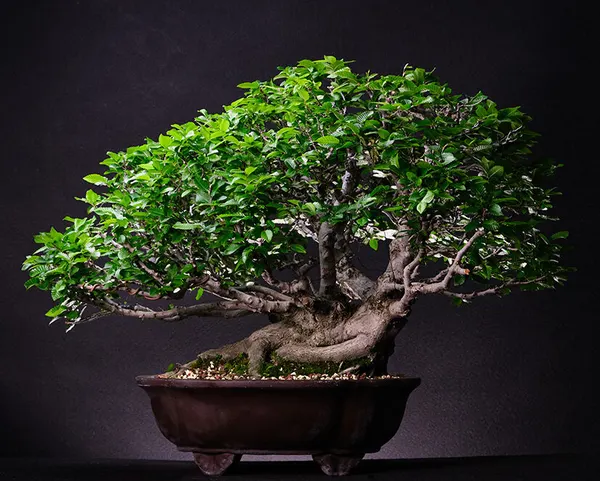
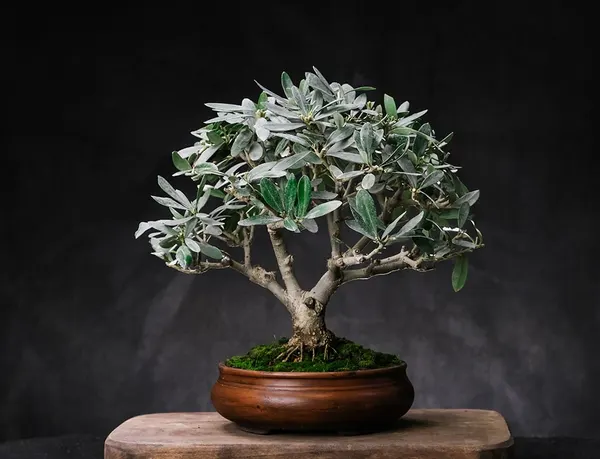
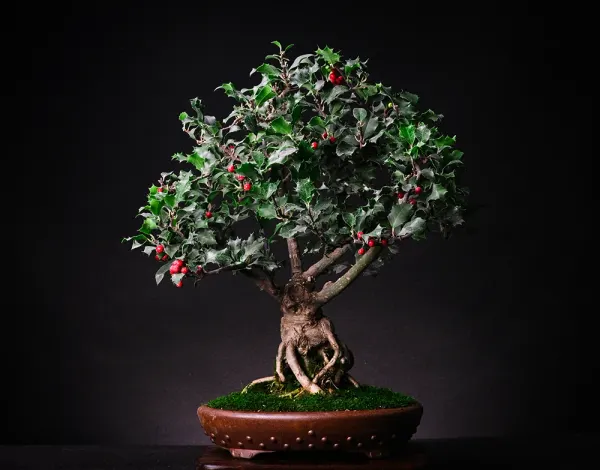
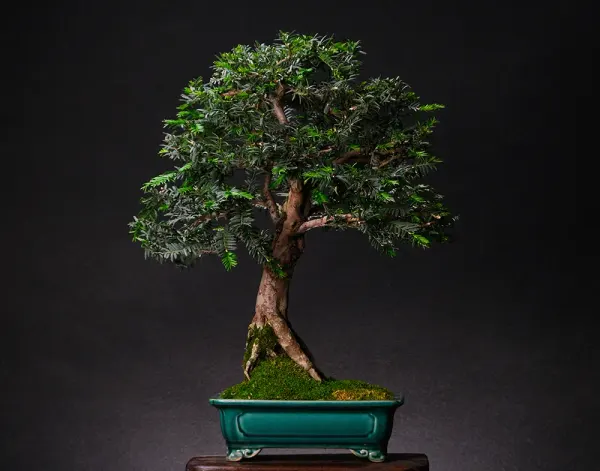
The main function of roots is to supply the plant with water and nutrients and to anchor it in the soil. In a bonsai, though, roots have a decorative purpose as well as a functional one. A bonsai looks far more beautiful when a number of well-developed, thick roots are visible on the soil surface. Such a bonsai gives the impression of a powerful, firmly rooted tree. If no thick roots show on the surface, the bonsai is less striking, even with a beautifully styled canopy.
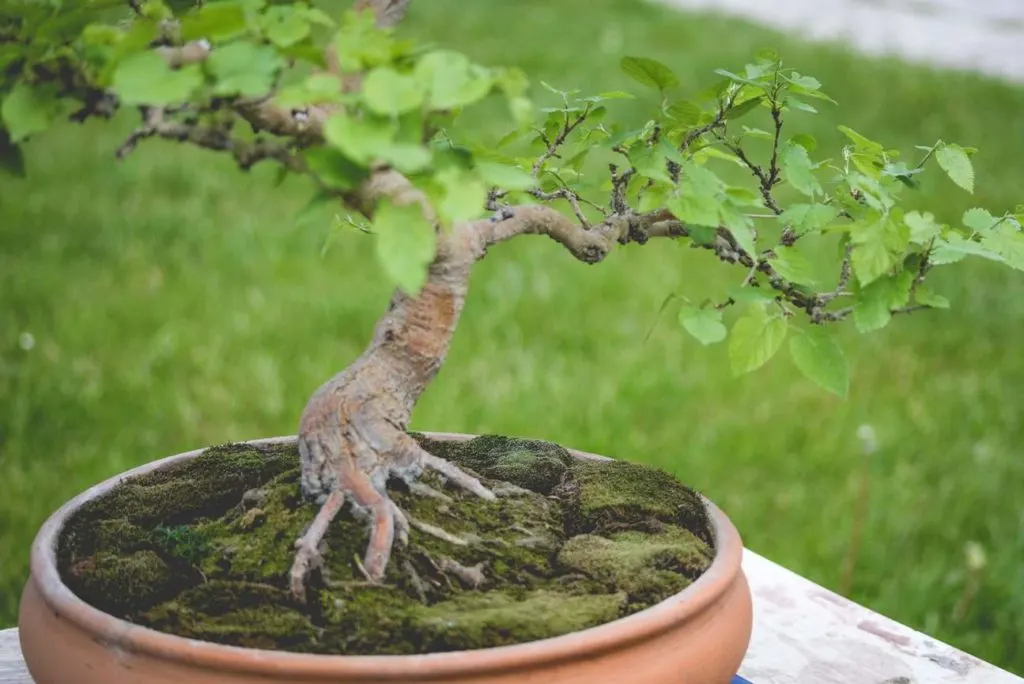
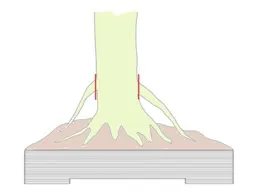
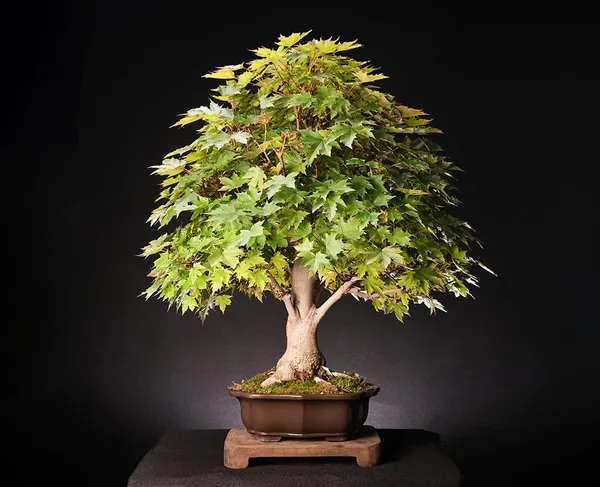
In the Chokkan (直幹), Moyogi (模様木), Shakan (斜幹) and Hokidachi (箒立ち) styles, the ideal is for the roots to spread evenly in all directions. In the Kengai (懸崖) and Han-kengai (半懸崖) styles, the well-developed roots can be on the side opposite the direction in which the trunk leans. Sometimes the roots are poorly developed on one side: there are thick roots on one side and only thin ones on the other. In that case, shorten the thick root as much as you can when repotting. This gives the other roots a chance to develop well. Repeat this at every repotting, and after a few years you will have well-balanced, evenly developed roots. If that isn’t possible, always try to have the surface roots show to best effect at the front of the bonsai. To make the most of the surface roots, you may have to make serious changes to the bonsai’s shape. As with branches, the surface roots should also be arranged according to certain rules.
- All thin roots visible on the surface should be trimmed off.
- No roots on the surface of the pot should cross one another.
- Any root growing above the main roots should be cut off.