Tanuki bonsai
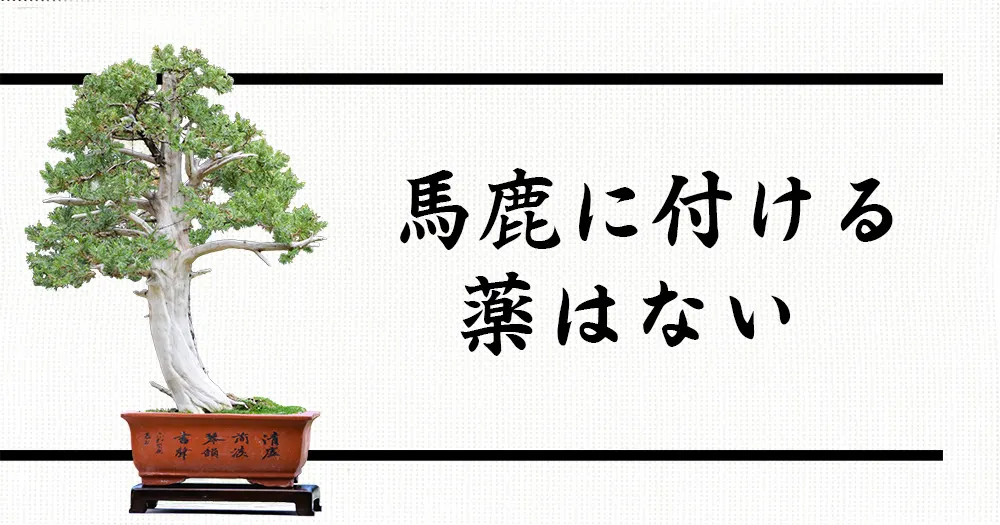
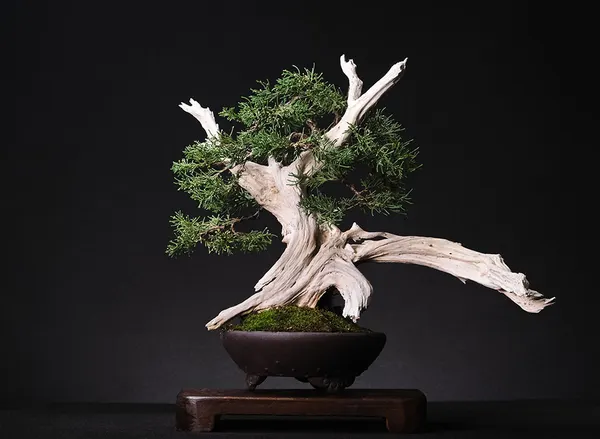
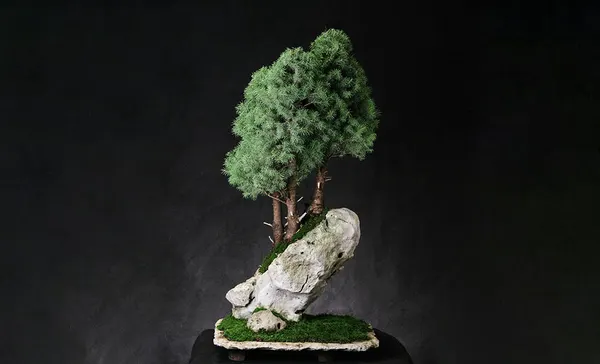
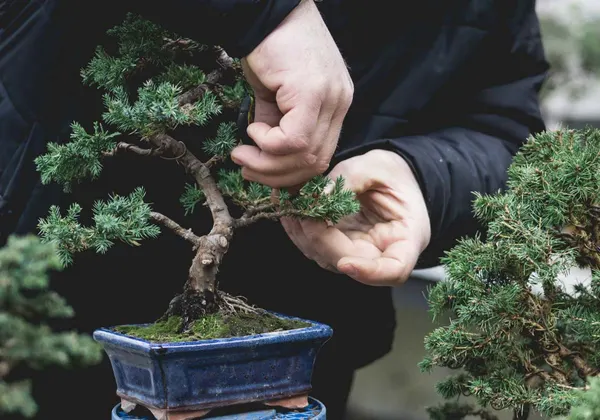
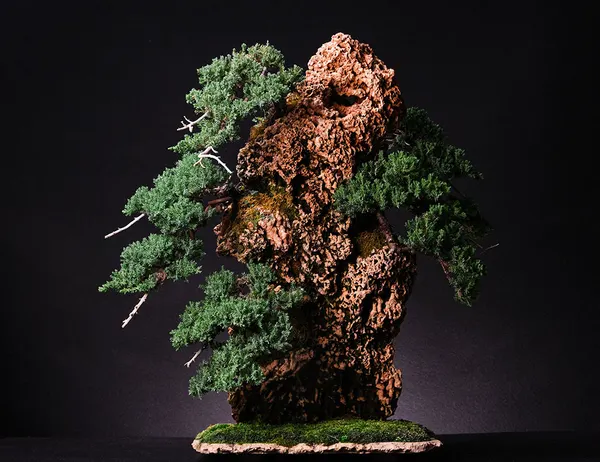
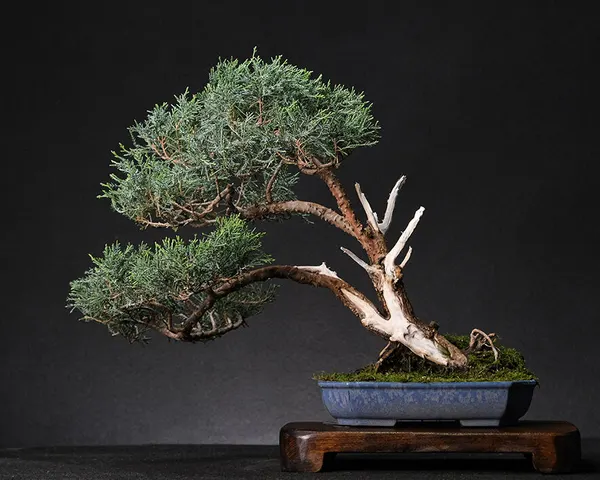
A Tanuki bonsai is a living tree attached to a piece of deadwood. A section of dead tree is taken (one that looks naturally weathered), and a living plant is fixed to it. First a channel is cut into the dead material, and the young tree is then firmly secured in it. As a rule, bonsai specialists choose juniper for Tanuki, because it is hardy and has fairly flexible wood. The living tree is held in place with wire and, strange as it may seem, even with nails or screws. After a while the plant’s trunk takes on the shape of the channel, “grows into” it and fuses firmly to it, as if they were one single tree. When creating a Tanuki bonsai, the living plant is styled in the usual way.
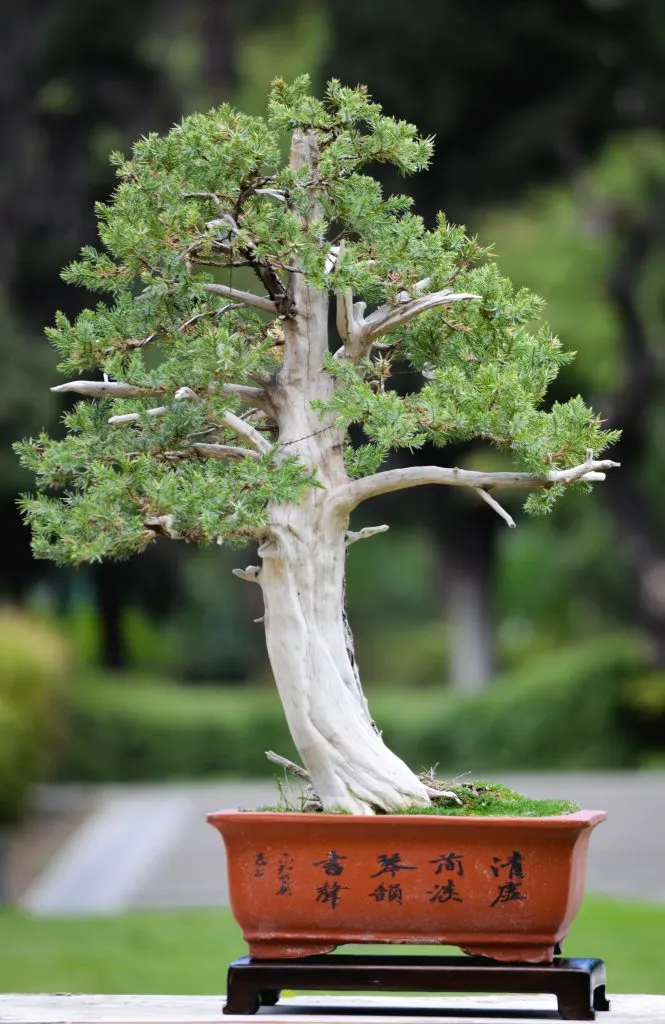
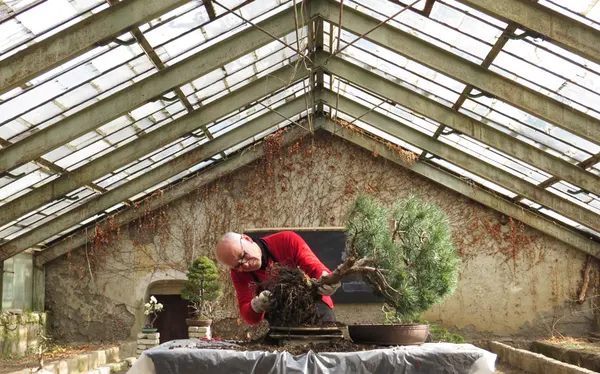
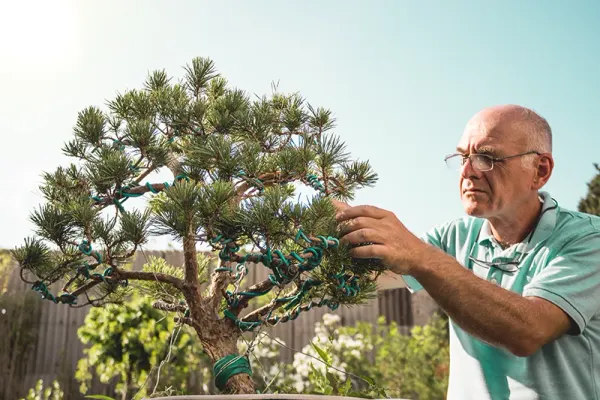
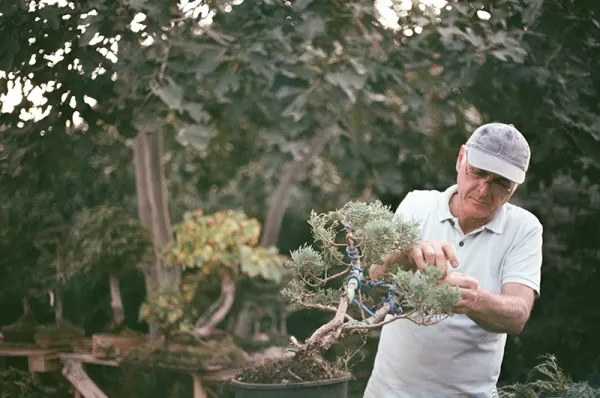
A few years ago I decided to create a Tanuki bonsai, using a living juniper and a dead Caucasian spruce I happened to come across. I treated the dead wood with a special liquid that keeps water from penetrating it, then coated it with lime sulfur. To fix the tree in place I used wire and rubber bandages. I planted it in a suitable pot and began the initial styling. Two years later I removed the bandages.
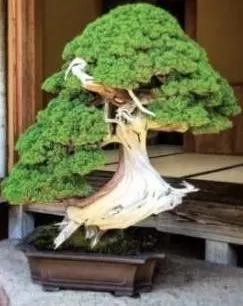
I never considered making this kind of “fake bonsai” serious work. This juniper is my only attempt. I knew that even in Japan such pieces are not especially valued, and Tanuki don’t appear at traditional bonsai exhibitions. But some time ago friends of mine visited Kunio Kobayashi’s bonsai museum and told me that many Tanuki were on display in Kobayashi’s garden, and behind the house they saw a large stock of deadwood for making such bonsai. If even so great a master doesn’t think it beneath him to make Tanuki, then perhaps this kind of “fake bonsai” also has a right to exist. After all, bonsai is entirely an illusion, like cinema or theater.