How to start styling a young plant (Part III)
Pruning technique
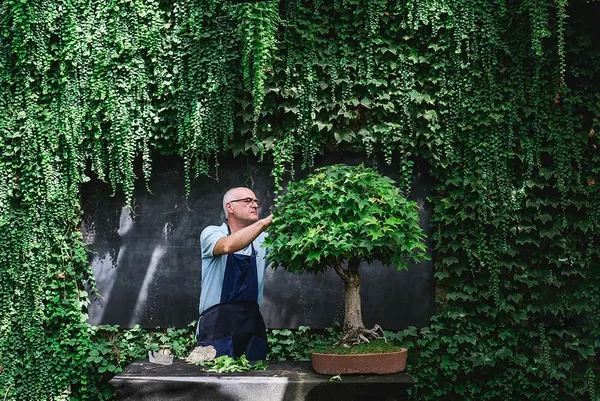
Deciduous trees Thick branches are cut as close to the trunk as possible, so that not even a small stub remains. For this you use special branch-cutting shears (a concave cutter). Their blades are shaped so that no stub is left on the trunk after the branch is removed. If you don’t have such a tool, cut the branch with ordinary pruning shears and then clean up the cut surface with a sharp knife. The smoother and cleaner the cut surface, the faster the wound heals. When shortening a branch, cut back to a bud or to a fork.
Cutting back to a bud is done just above the bud, very close to it. If the cut is made so that a piece of the branch is left beyond the bud, that piece will inevitably die back.
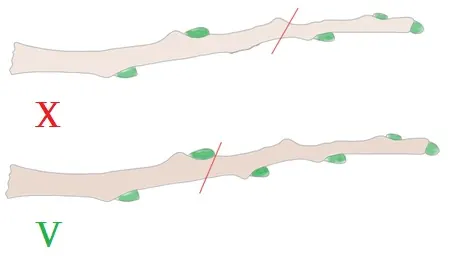 An incorrect cut and the right place to cut
The slanting cut starts slightly above the base of the bud, on the side opposite the bud, and ends level with the tip of the bud. If the cut is made below the base of the bud, the bud will not develop.
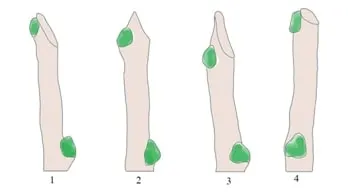 1, 2, 3 – incorrect cuts at a bud; 4 – the correct cut
If the branch is only a few millimeters thick, cut it at right angles to the direction of growth, level with the tip of the bud
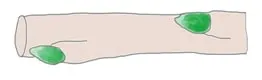 Cutting a thin branch
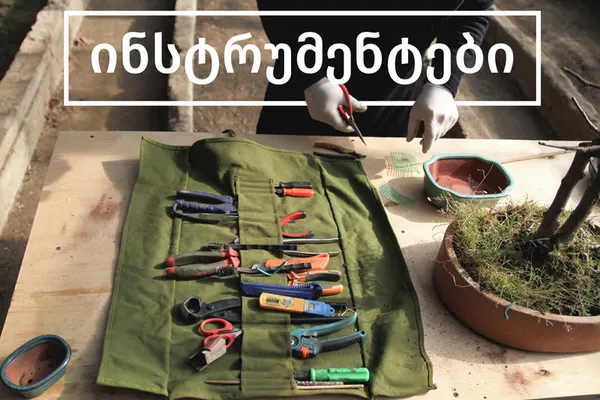
Cutting back to a fork. When cutting a branch, pay attention to the angle of the cut. The cut should not be too shallow a slant, or it will damage the base of the remaining branch. Not even a small stub should be left after the cut. When cutting back branches, pay particular attention to your cutting tools. Tools must be clean and, most important of all, well sharpened. A cut made with a blunt tool heals very poorly and can even become a source of disease for the plant. As soon as you cut a branch, the “wound” must immediately be treated with cut paste.
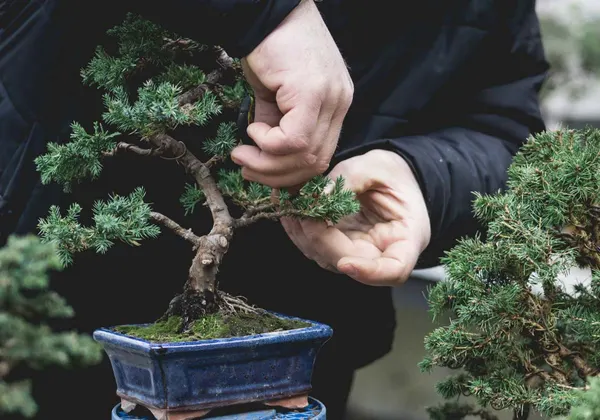
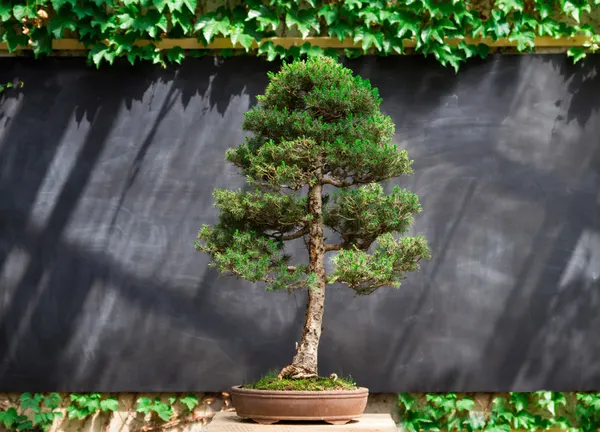
Pruning conifers Conifers need a slightly different approach to pruning. When styling deciduous trees during dormancy, every thick branch can be cut back to the desired length, even if not a single secondary branch or developed bud is left on it. In spring, abundant new shoots will emerge from adventitious, lateral or dormant buds. On conifers, after pruning like this, no new shoots appear and the plant dies. Bear in mind, too, that most conifers grow quite slowly compared with deciduous trees. Because of this, one of the hardest things with conifers is getting new shoots to develop where you want them. In the initial pruning, try as far as possible to leave strong, well-developed branches on the plant. Each thick branch is best removed in two stages: first cut the branch so that 2–3 centimeters of it remain on the trunk. Only after a full season has passed, cut off the remaining stub. Unlike with deciduous trees, on some conifers it is not necessary to treat the cut with cut paste. Resin flows from the cut and in itself protects the plant from pests and fungal diseases.
Branches are shortened either at a fork or where needles are growing. Where the needles start to grow, there are lateral buds. Once the end of the branch is cut off, these buds start to develop.
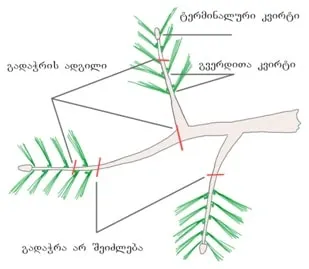
When to prune
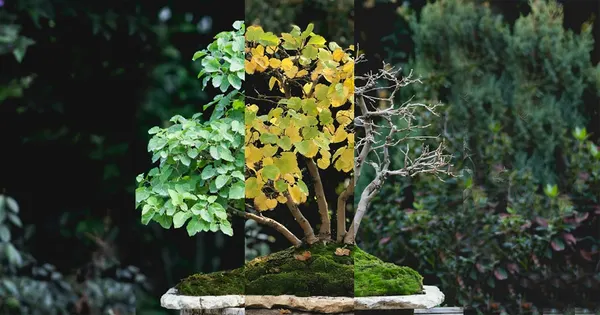
In the early stage, when you are just starting to style a bonsai, cutting off and shortening thick branches, as well as pruning the twigs, is done while the plant is dormant, at the end of autumn or in early spring before the buds open. At this time very little of the plant’s energy reserve has moved to the growing points, and most of it is still unspent. Once growth begins, this reserve is spread evenly among all the remaining growing points. Since pruning has reduced their number, more energy goes into each of them. The result is abundant, vigorous new growth.
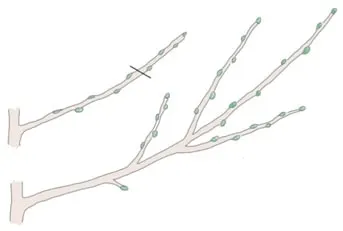 How a branch develops after being cut during dormancy
By the end of spring practically the whole reserve has already been distributed. So pruning at this time produces weaker new growth. The new shoots have shorter internodes, which matters a great deal when styling a miniature tree.
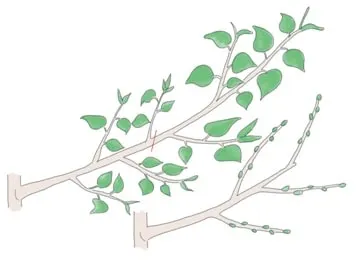 How a branch develops after being cut during the growing season
It follows that young plants in the early stages of styling are best pruned from late autumn to early spring, before the buds begin to open. But if the plant is already well developed and the canopy meets your requirements, you can prune it at the end of spring.