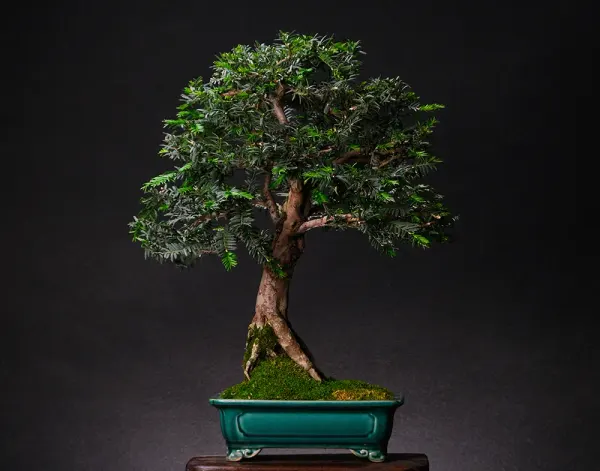
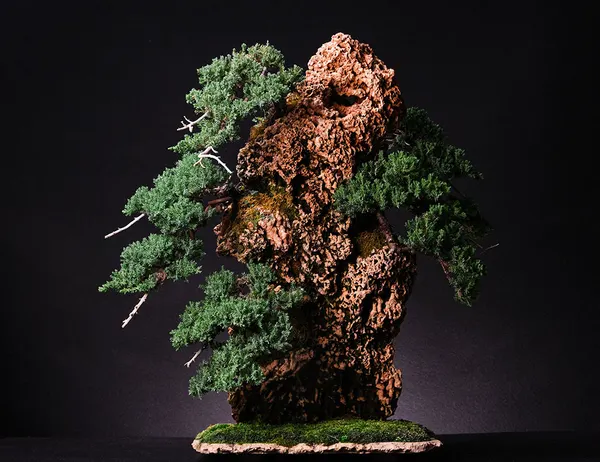
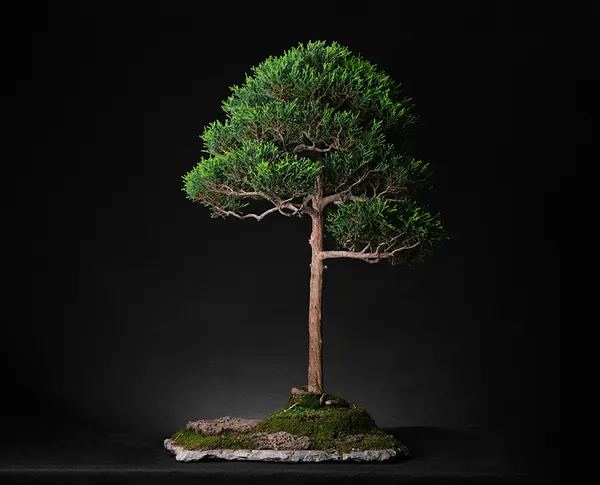
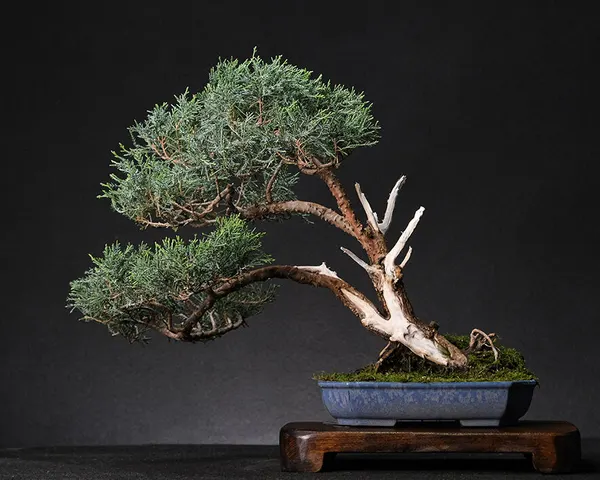
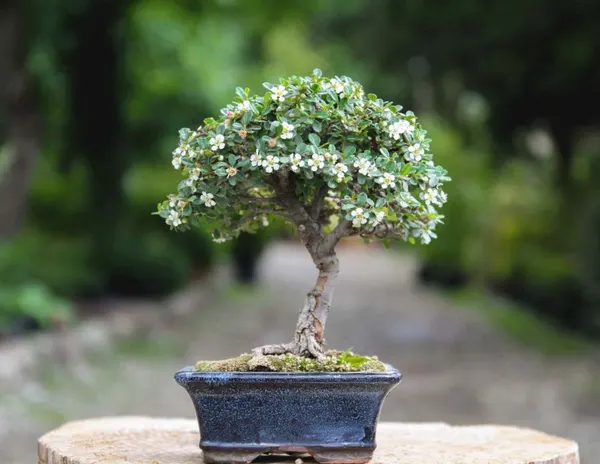
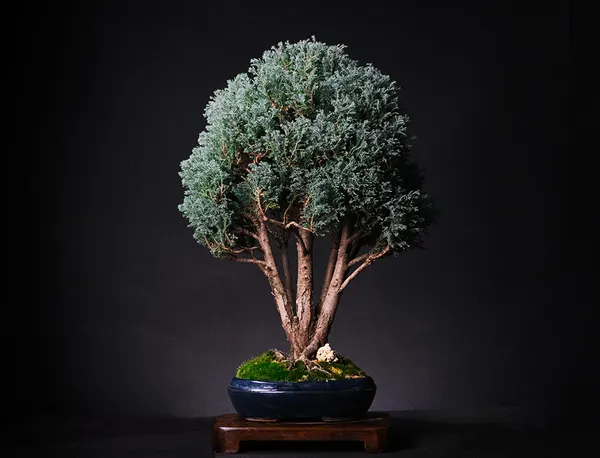
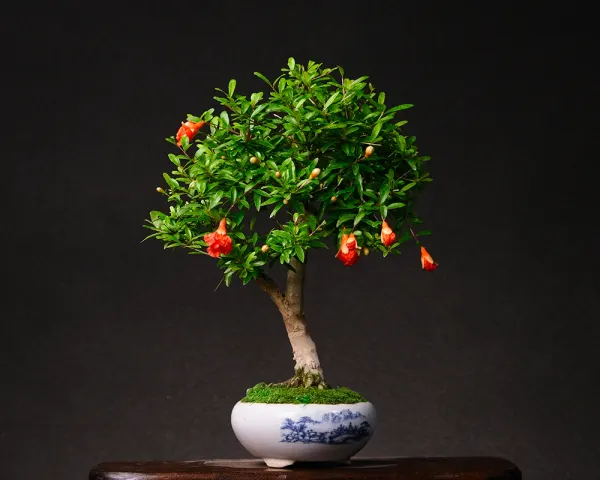
Trees for bonsai (barberry)
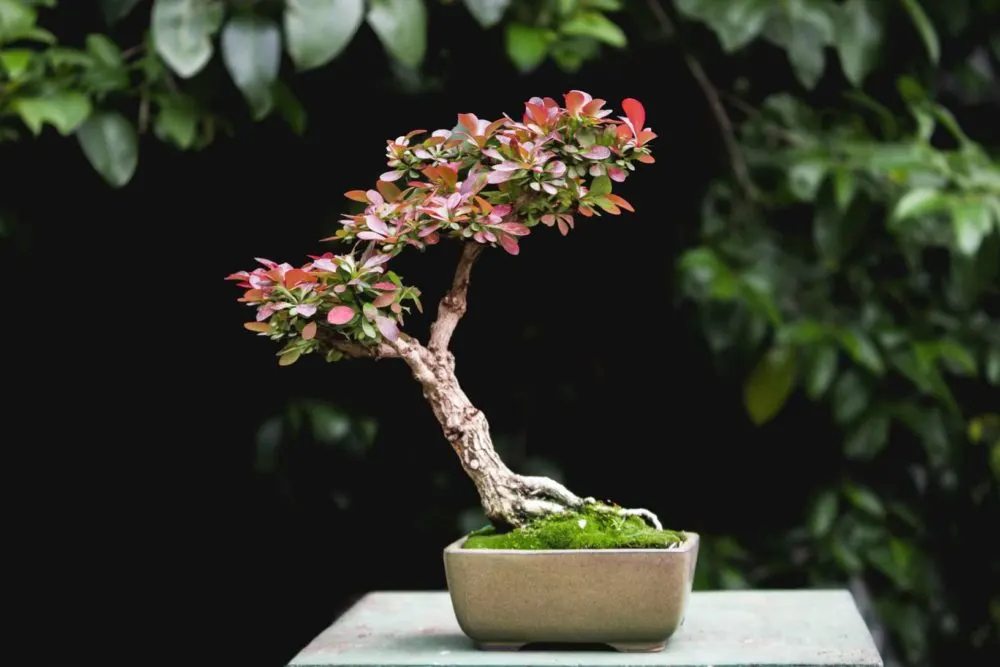
Barberry (Berberis) is an evergreen, semi-evergreen or deciduous shrub, rarely a tree. There are 450 species, and it thrives in almost every climate zone. It prefers rocky, stony ground. It loves light. It grows up to 2 meters tall. It is widely used in gardening.
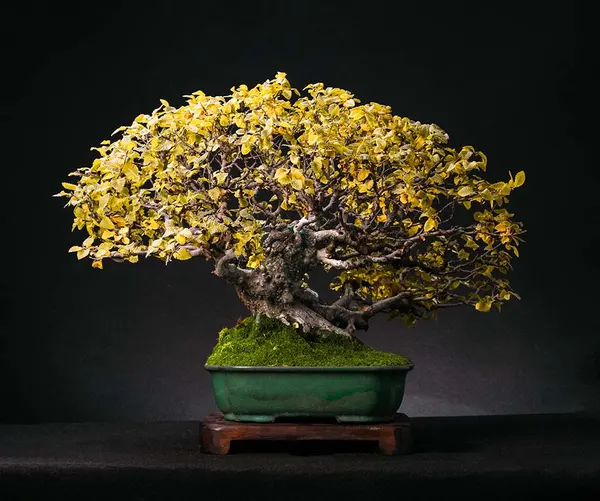
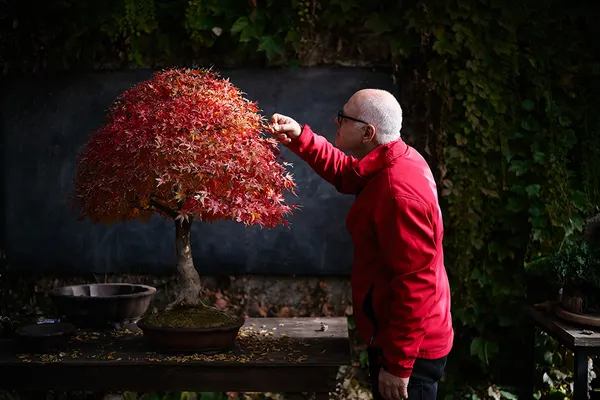
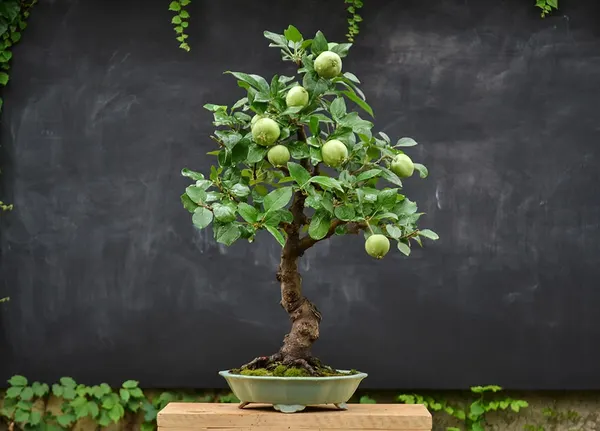
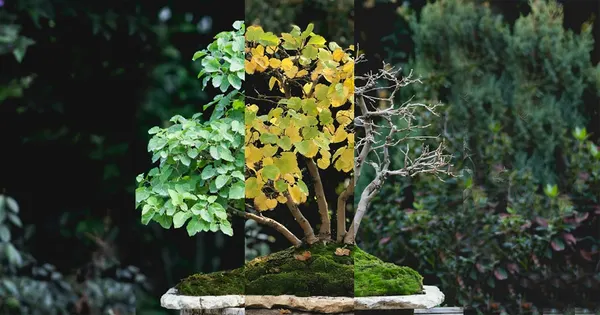
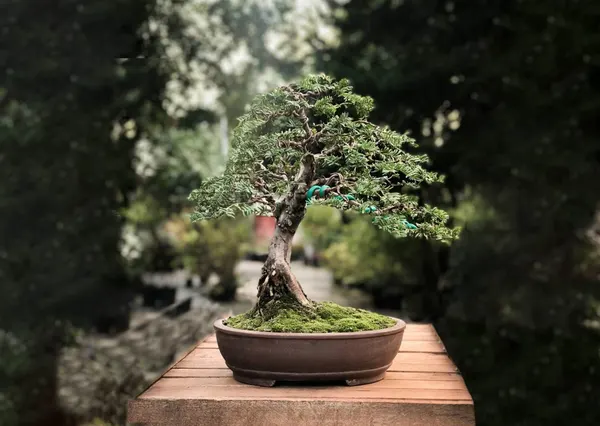
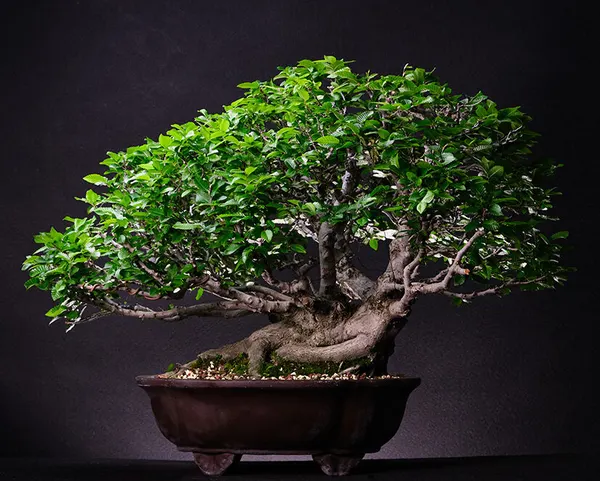
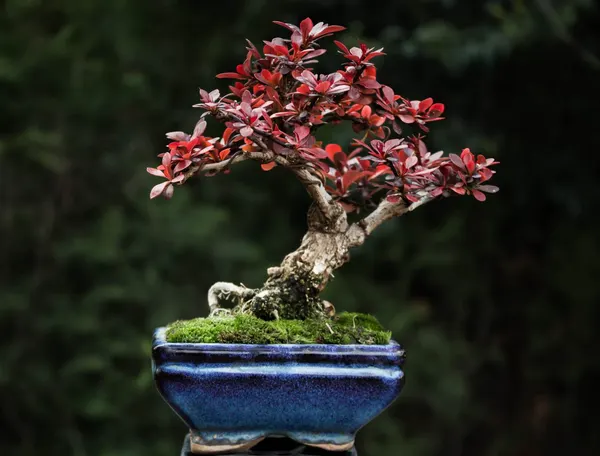
For some reason barberry is not considered a “classic” bonsai plant. Even so, a very beautiful miniature tree can be created from it. It has small leaves, flowers and fruit in various colors. It responds well to clipping, is quite hardy, and tolerates both high temperatures and frost well. Japanese (or red) barberry, Berberis thunbergii, is especially beautiful thanks to its red leaves.
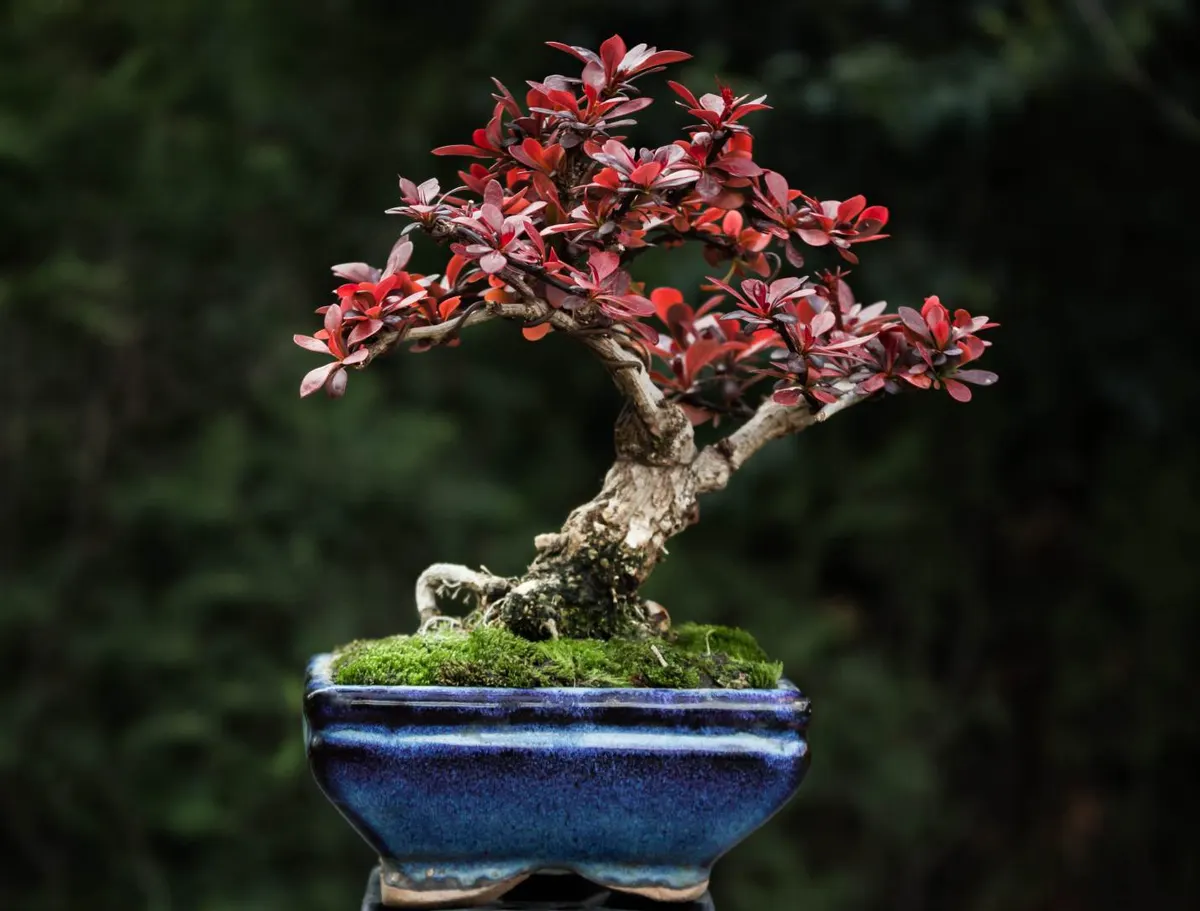
Styles: barberry can be styled in practically any style except Bunjingi (文人木)
Placement: a sunny spot, occasionally partial shade. It tolerates direct summer sun well. Just in case, protect it from frosts below -5 degrees so that the roots and the finest twigs don’t freeze.
Soil: it isn’t fussy about soil. An ordinary, well-drained soil mix.
Repotting: once every two years
Watering: moderate; don’t let the soil dry out completely
Fertilizer: once every two weeks, from early spring through September.
Pruning: heavy pruning is done in autumn, after leaf fall, or in early spring. Maintenance clipping to keep the shape can be done throughout the growing season.
Diseases and pests: quite rarely, but powdery mildew can appear; among pests, aphids
Note: barberry plants can be bought at garden centers. As a rule these are small shrubs with thin trunks. So, to get results relatively quickly, it’s best to make a small bonsai from one.