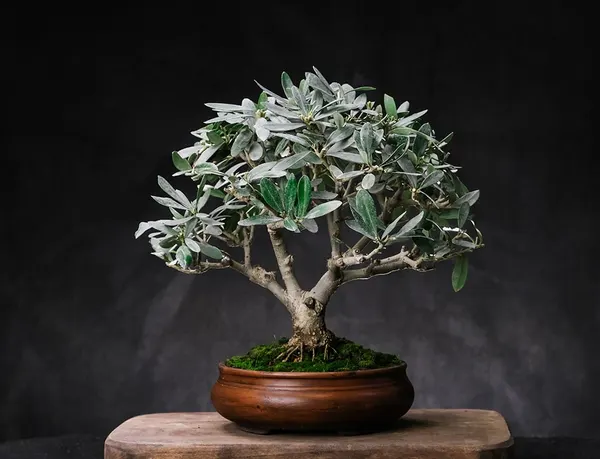
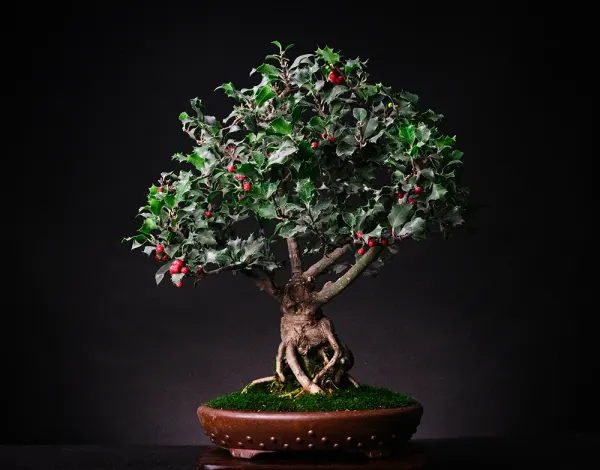
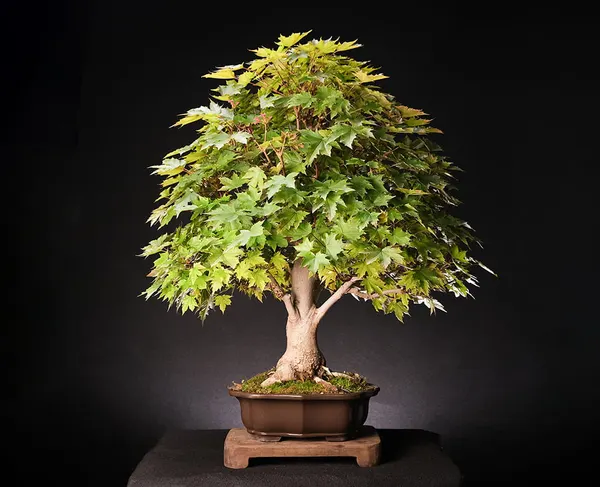
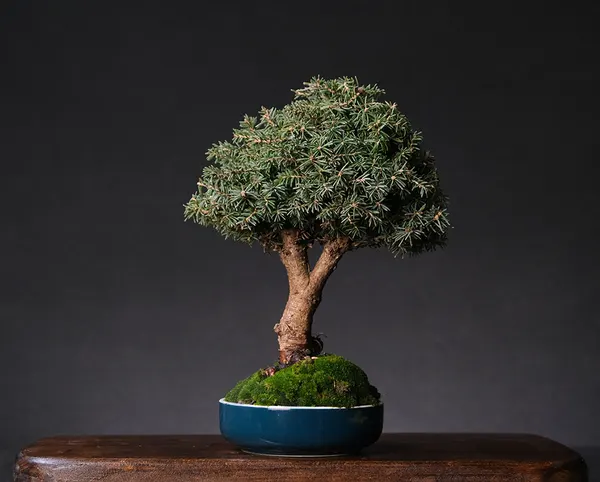
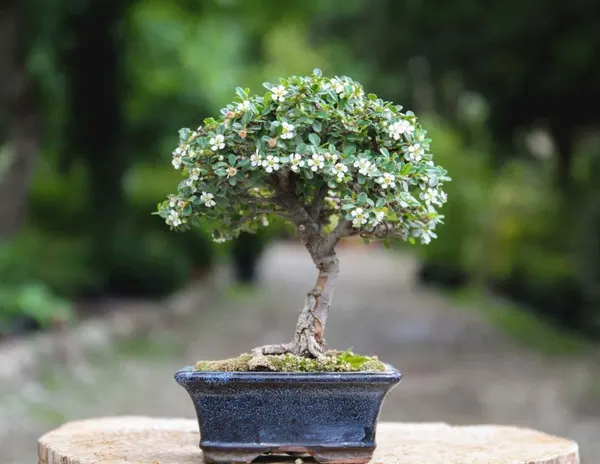
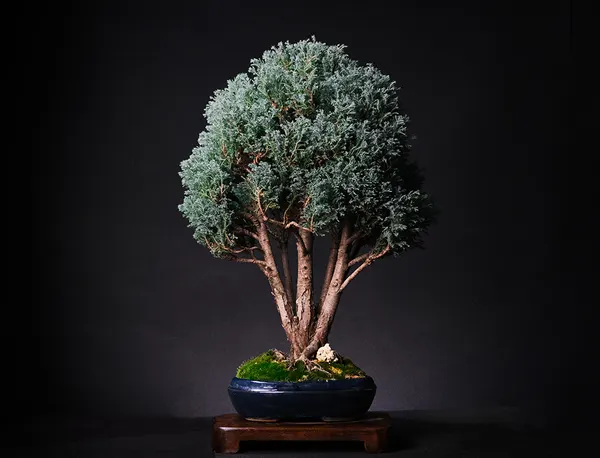
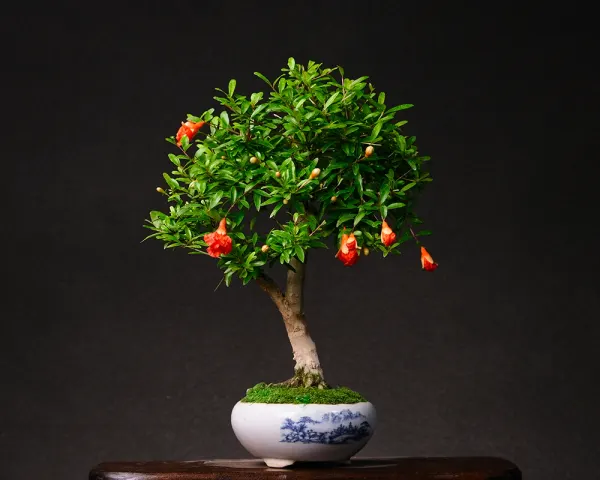
Bonsai styling methods and techniques
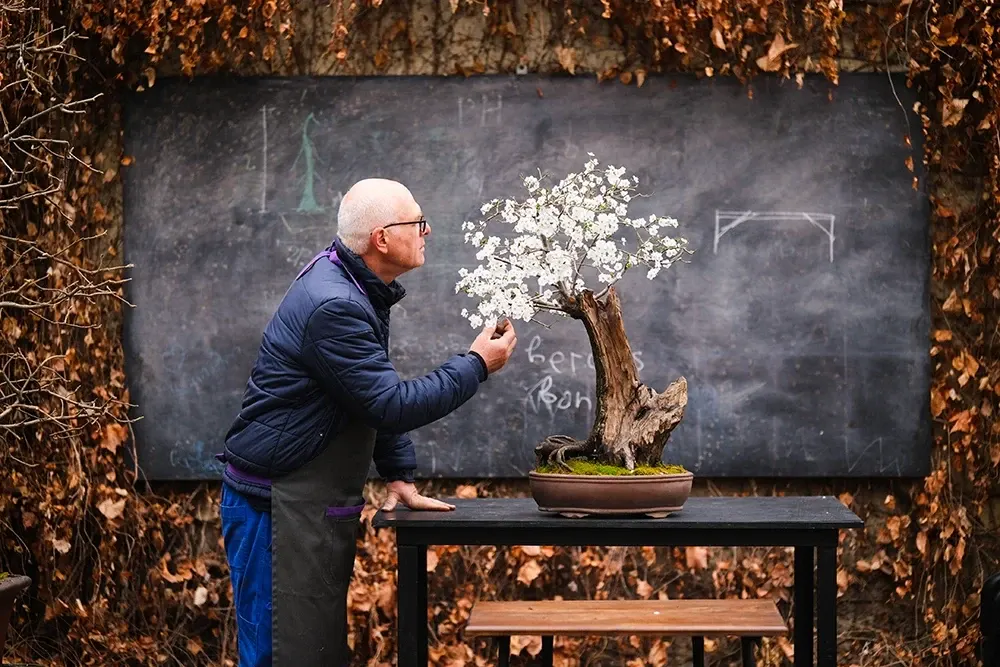
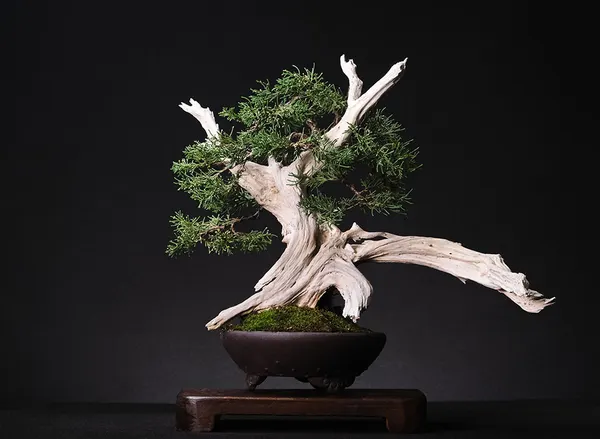
When someone decides to create a bonsai, their goal should not be merely to keep the tree miniature. Stopping a tree from growing and keeping it small doesn’t take much at all. Put simply, plant a small tree in a pot, cut off every branch that grows out, and you’ll have a “dwarf” tree. But a bonsai means far more than a small tree simply planted in a pot.
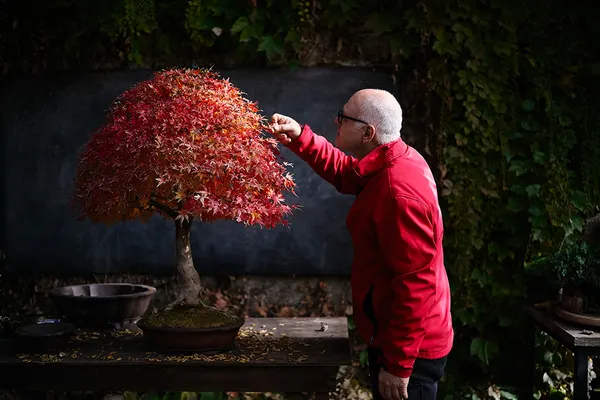
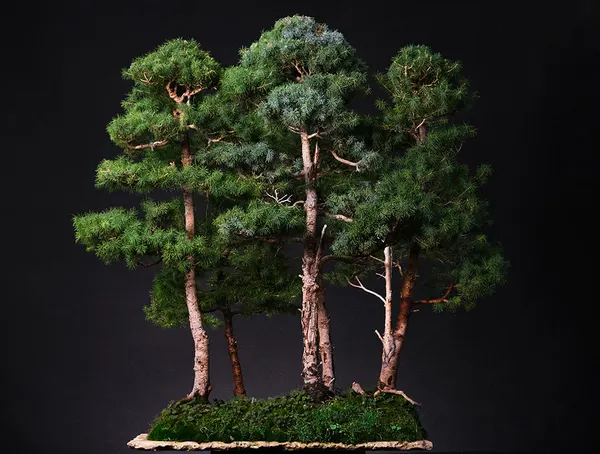
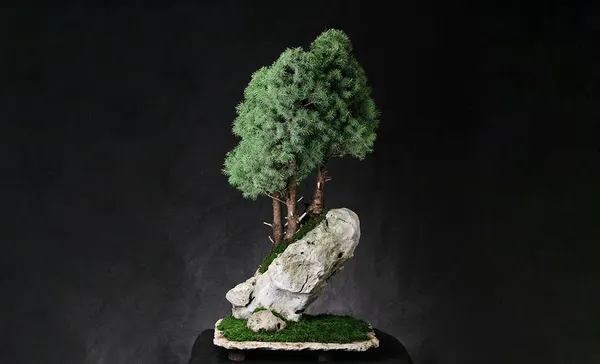
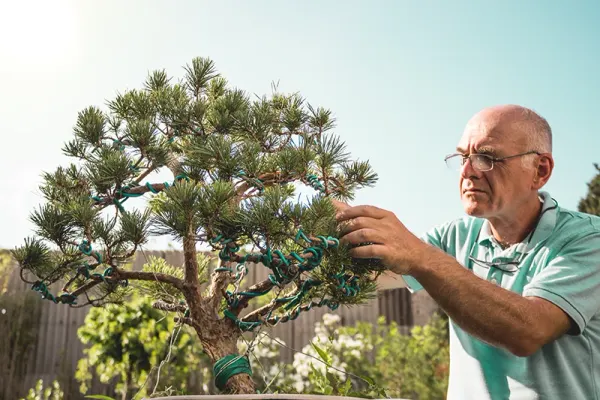
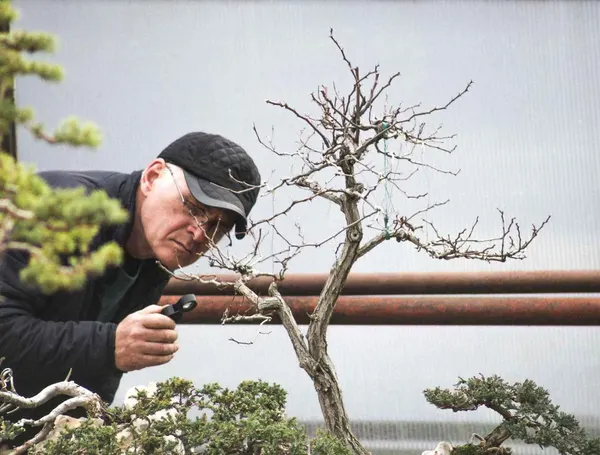
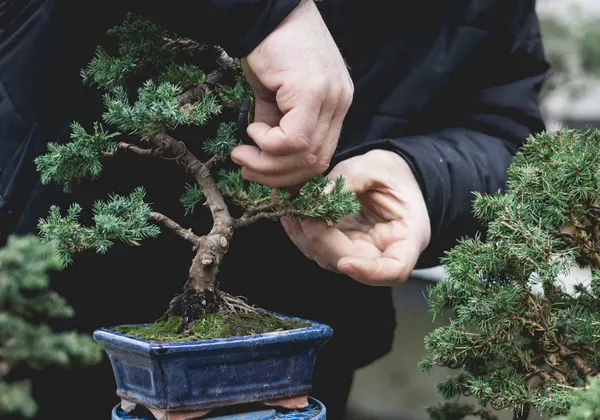
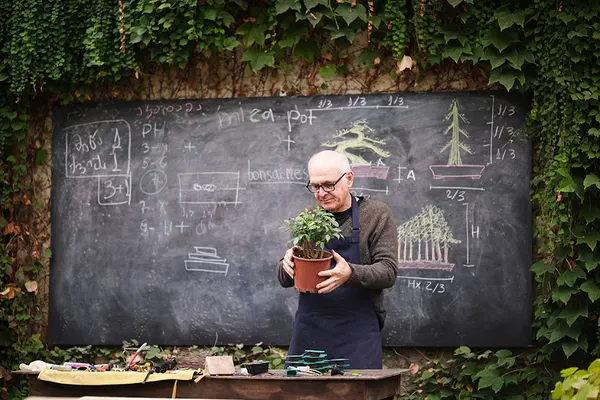
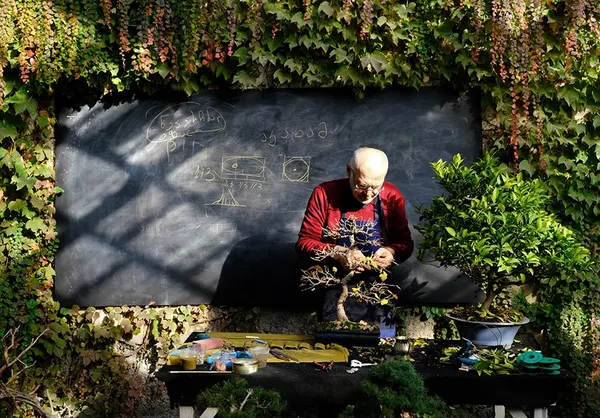
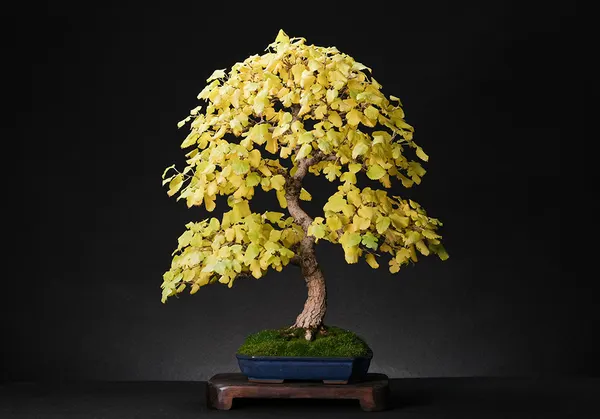
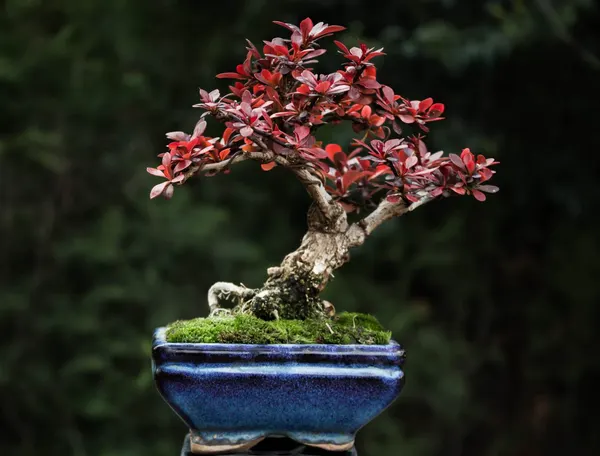
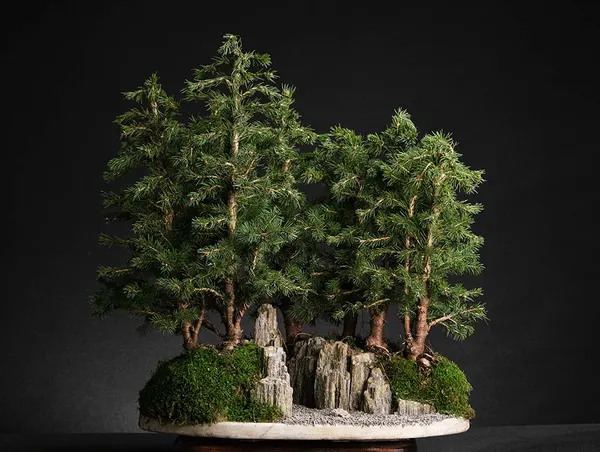
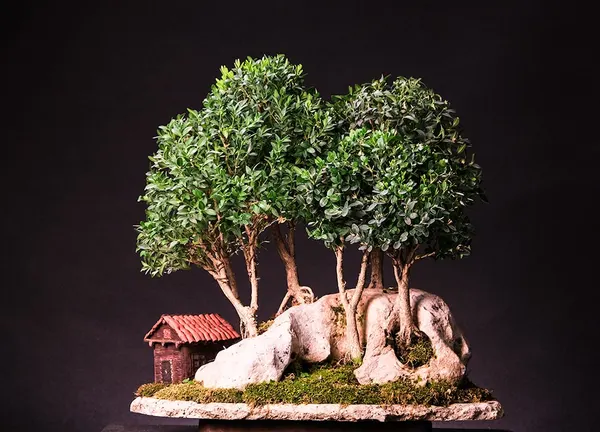
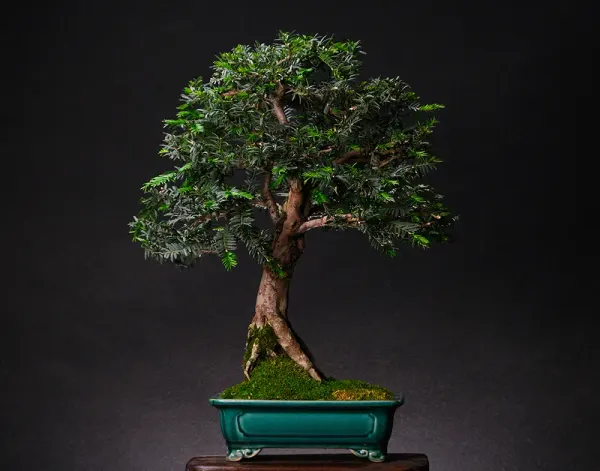
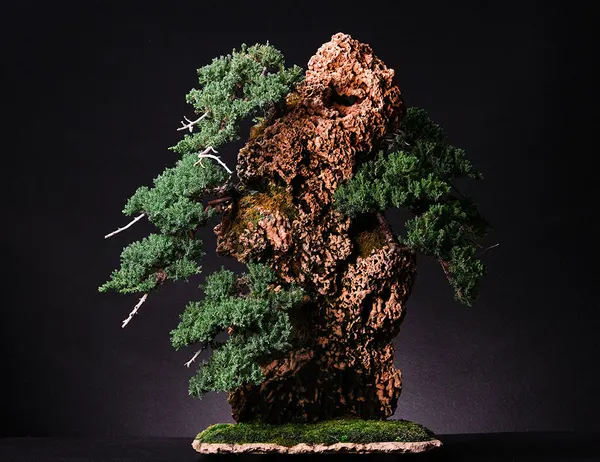
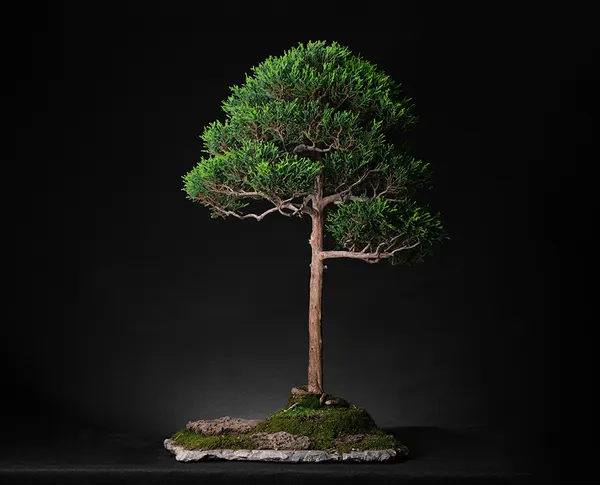
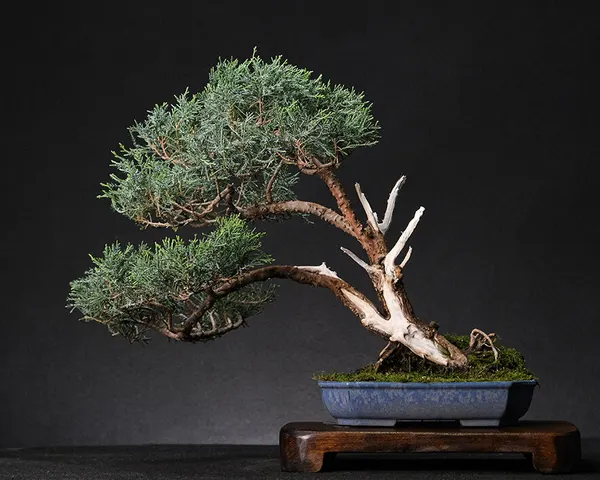
To influence the size and shape of a tree the way we want, we need to know the special styling techniques that have long been used to create bonsai and without which it is practically impossible to produce a real bonsai. That is why styling is the most demanding part of working on a bonsai. The principles of styling are quite hard for a beginner to grasp. First of all you need to “train your eye”. Study closely the photographs and drawings of bonsai, which are plentiful in books and on websites about bonsai. It is just as important to pay close attention to trees growing in nature. This will help you understand why a particular specimen is beautiful, how its trunk is shaped, what proportions the branches are arranged in, how the surface roots spread, and many other nuances you need to know to create a bonsai. It is a good idea to photograph trees you like and put together a small catalog from these pictures. Comparing your work with a model you like while styling a bonsai will make the job much easier.
Next we need to learn the techniques and rules of styling. Of course, it is not essential to follow these rules strictly to create a bonsai, and we can even break them. But to begin with, we need a good grasp of the basic parameters that everyone should know. After gaining some experience, a person no longer thinks about the rules and makes their own decisions to achieve the result they want.
The basic principles you need to know:
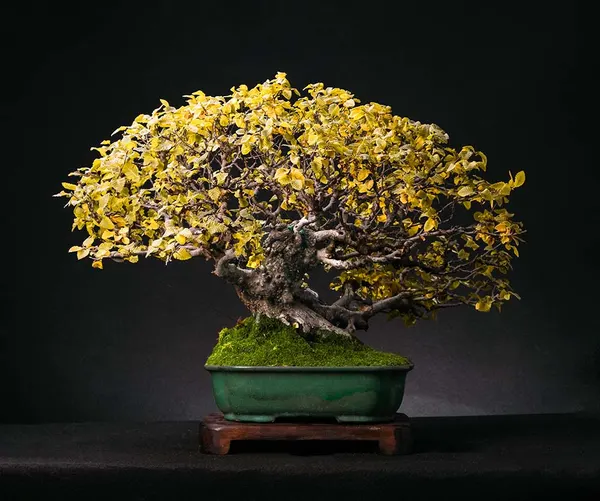
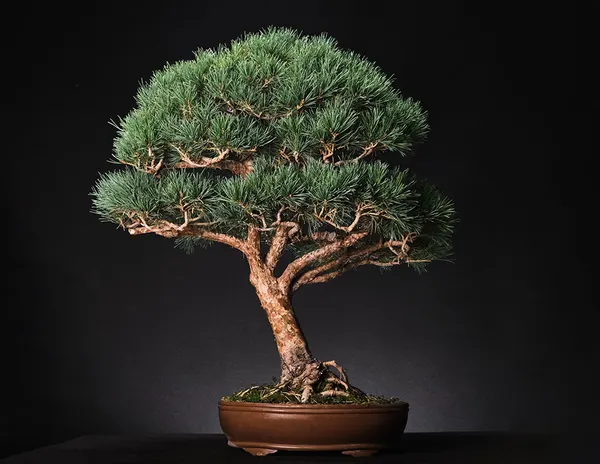
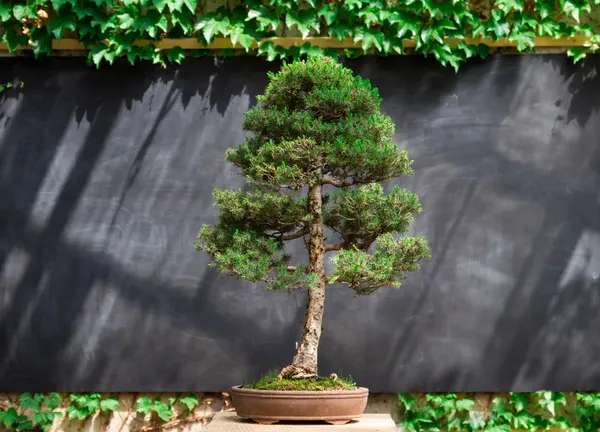
• A bonsai must have a clearly defined front, from which it is meant to be viewed. It is impossible to make a bonsai that looks equally beautiful from every side. So before styling begins, you must choose the “front” of the future bonsai. From this side the tree should look its most striking.
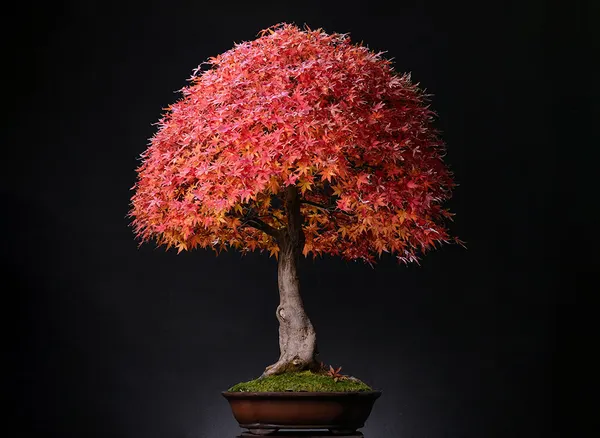
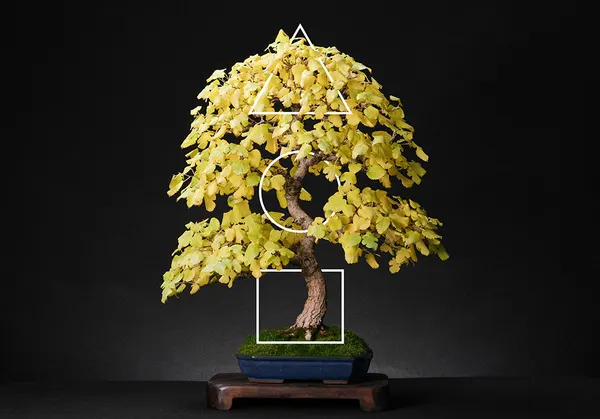
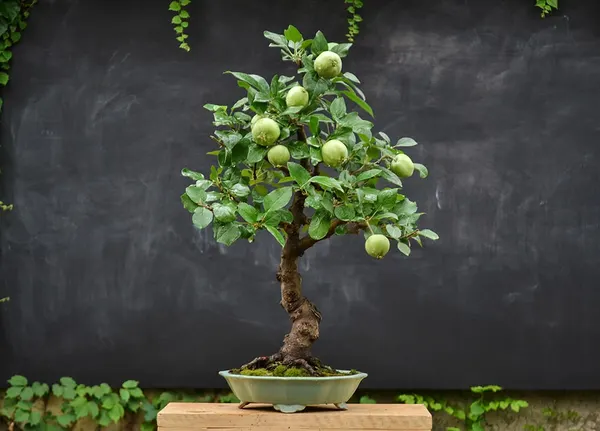
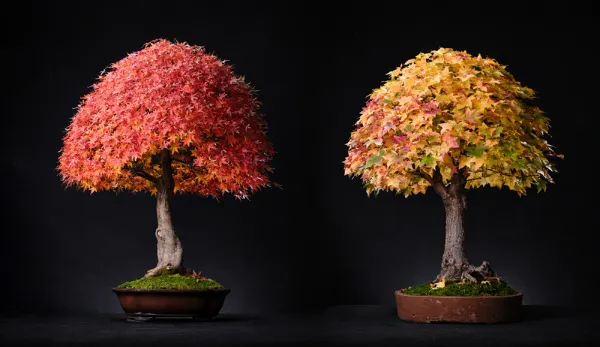
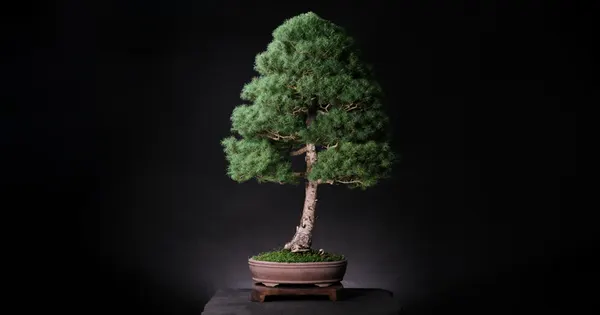
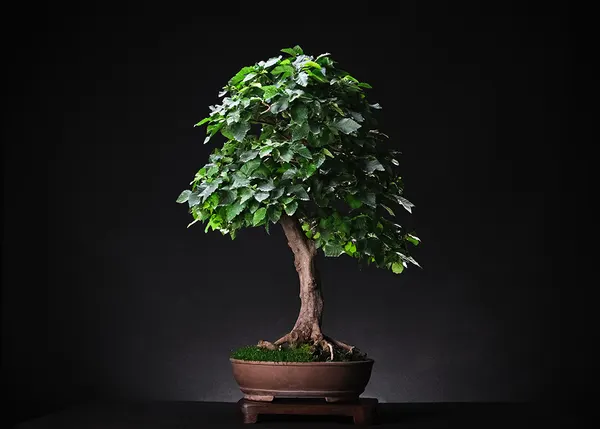
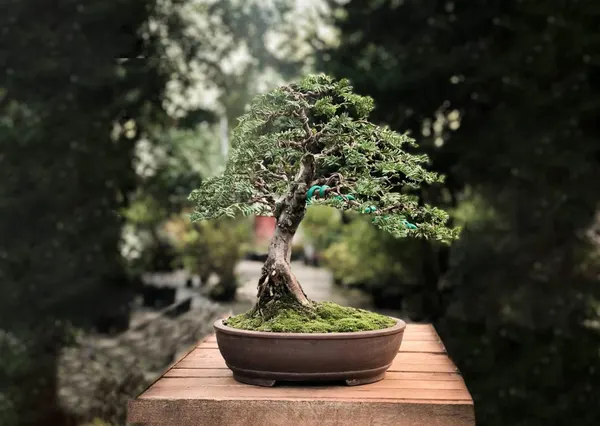
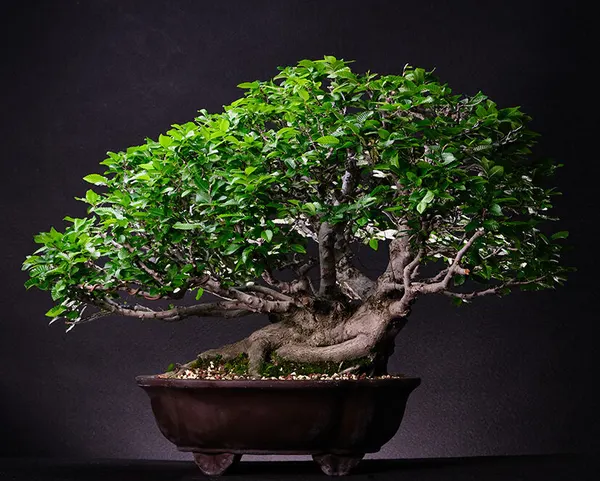
• The base of the trunk, by the roots, should be the thickest part, gradually tapering toward the apex. The middle of the trunk must never be wider than the base.
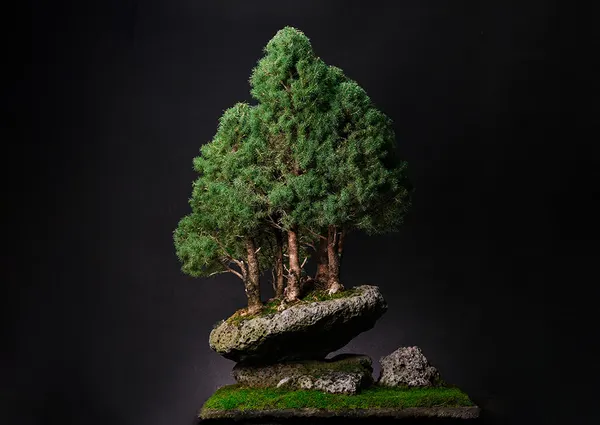
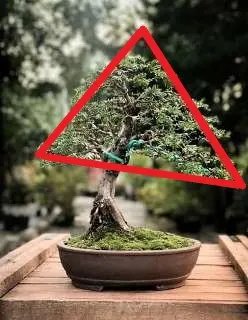
• The canopy of a bonsai should have an asymmetrical triangular shape.
• No branches should grow on the lower third of the tree’s total height.
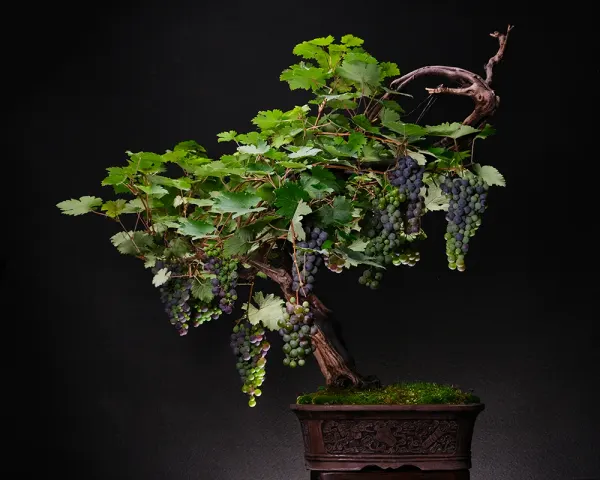
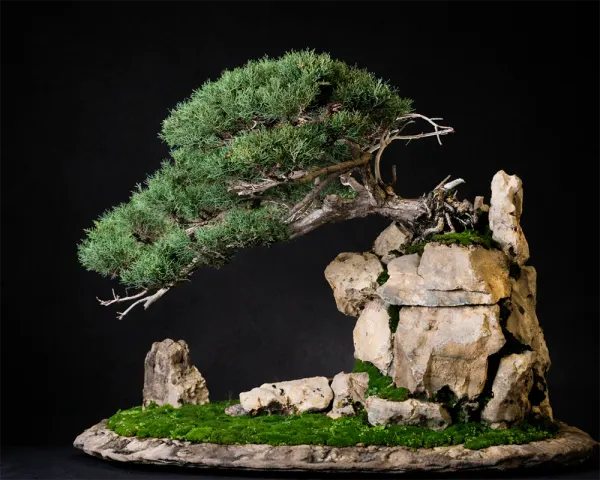
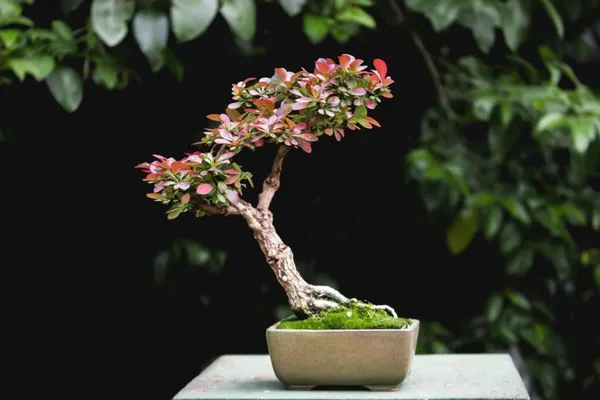
• The shape should be as natural as possible; pointless bends and twists are not acceptable
• Ideally, thick surface roots spreading in all directions should be visible.
• When styling, avoid all symmetry and regular geometric shapes.