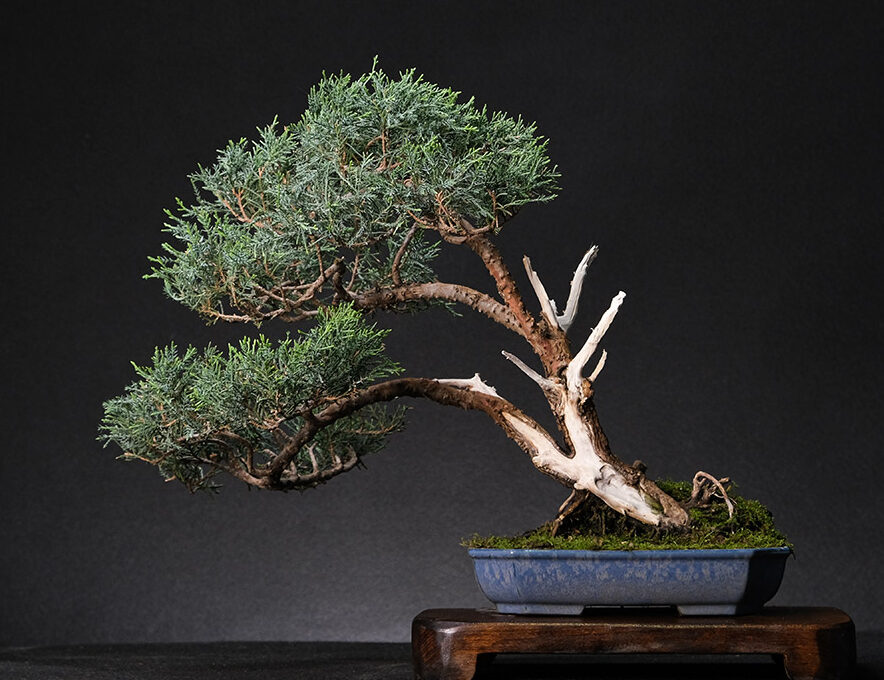
Bonsai Care (Fertilization)

   For normal growth and development, in addition to carbon (C), hydrogen (H), and oxygen (O), which plants obtain from air and water, it is essential for plants to absorb nutrients, both macro and micro elements, from the soil. The macro elements include: nitrogen (N), phosphorus (P), potassium (K), calcium (Ca), and also the various microelements in very small doses: magnesium (Mg), iron (Fe), copper (Cu), zinc (Zn), molybdenum (Mo), boron (B), manganese (Mn), sodium (Na), and other elements. All these elements are crucial for the proper health and growth of the plant...
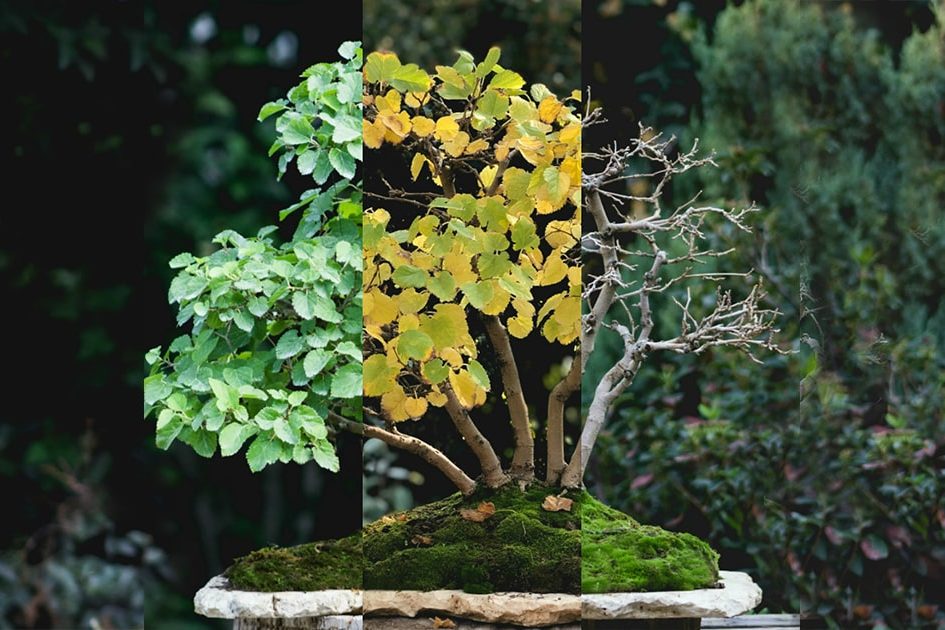
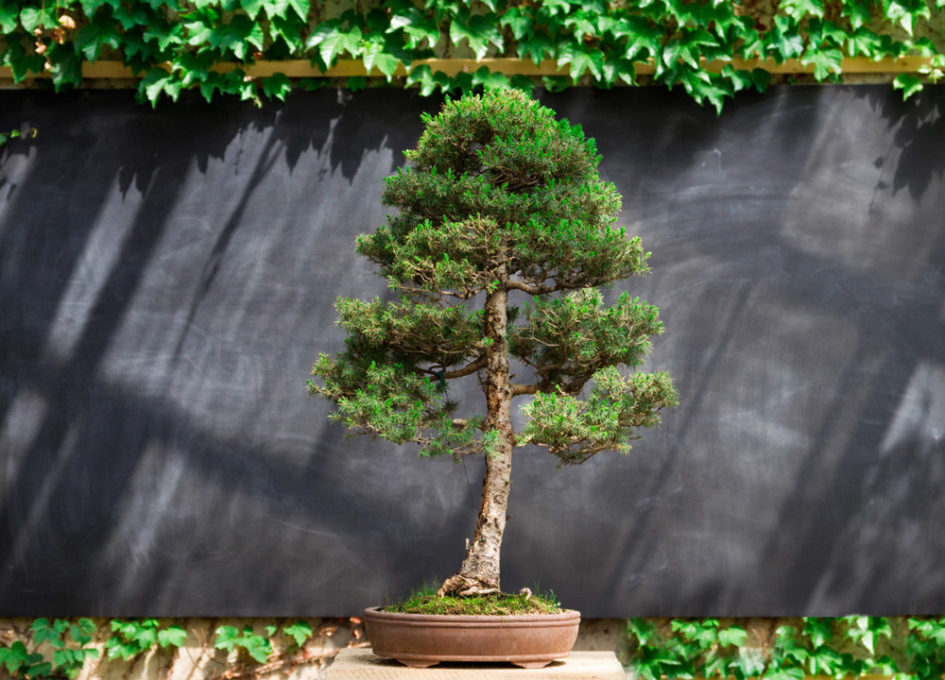
Learn more »

სიმაღლე: 80 სმ

Bonsai Care (Location)

   Bonsai requires care throughout all four seasons. It demands time and attention, more so than regular garden or indoor plants. You must select an appropriate location where the bonsai will stay for most of the year. Ensure regular watering and fertilization at the right times, protect it from diseases and pests, shield it from intense sun and frost, and periodically...

Learn more »

Bonsai repotting

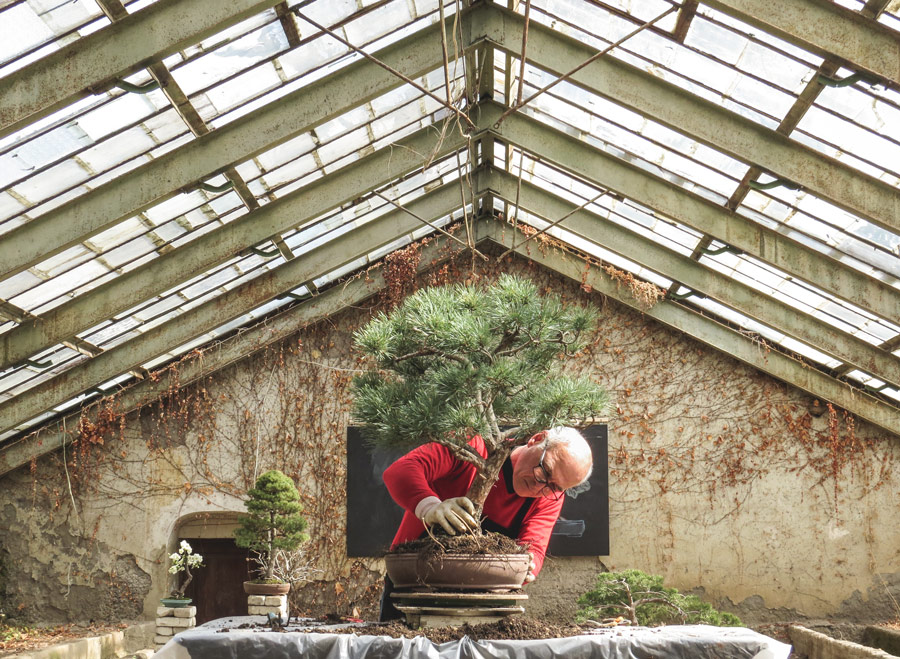
First planting in a container The first transplanting from a large vessel or ground into a container is not as difficult as it might seem at first glance, but we are dealing with a miniature plant, where even every small detail is of decisive importance. Before starting the transplant, we must select a suitable container and know how much of the roots we will need to prune so that the seedling fits exactly into the container […]

Learn more »

Bonsai watering

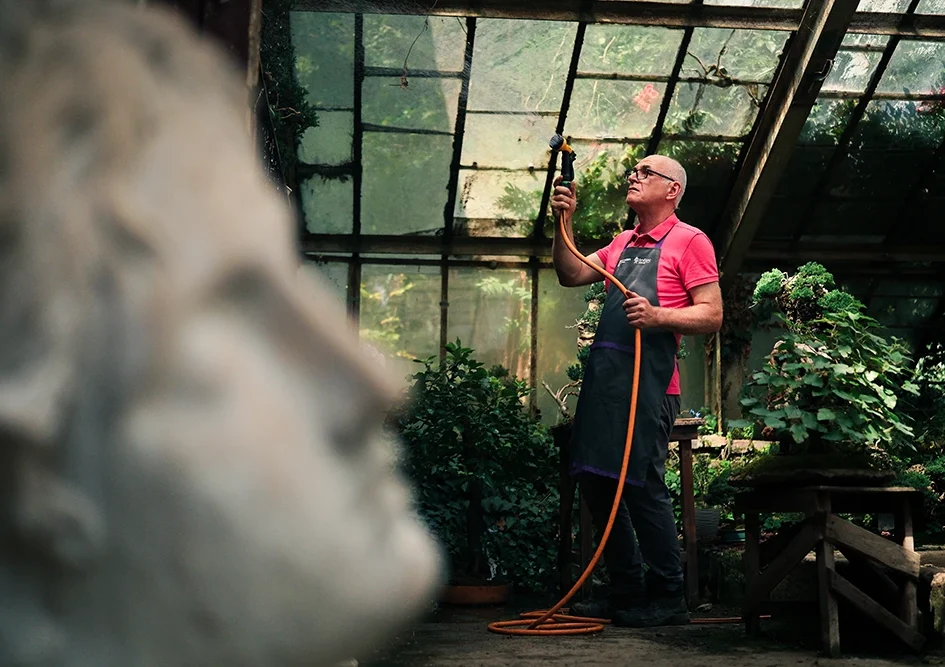
    You might hear or read somewhere: “Watering promotes plant growth, so if you water the bonsai rarely, it won't grow big, and we’ll reach the desired result more easily.” This is absolutely wrong. If you do not water the bonsai properly, the plant will be weak and unattractive, and due to lack of water, it may even dry out completely. The bonsai […]

Learn more »

სიმაღლე: 60 სმ

Bonsai care in winter

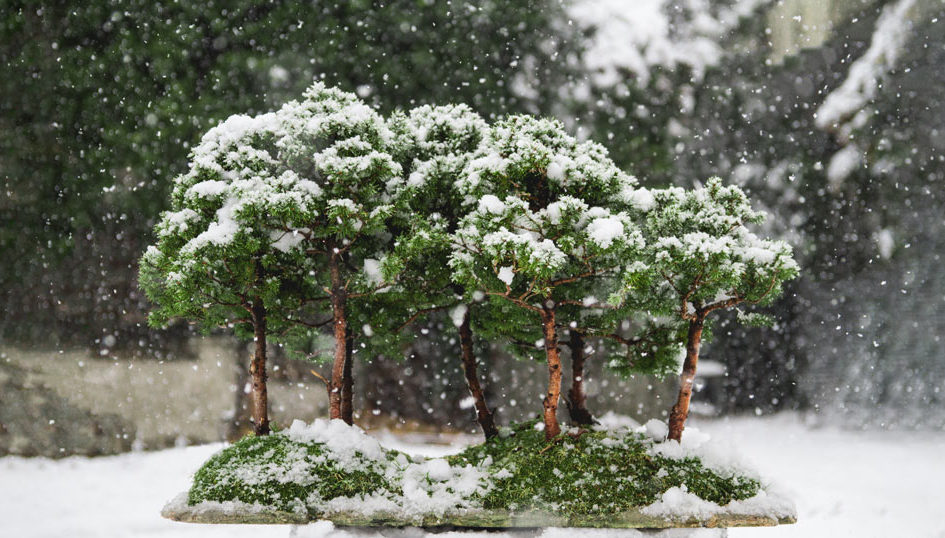
   In winter, the tree is in a dormant state, and its active development is temporarily halted until spring. The dormancy period is as essential for the plant's survival as the active growth period. Therefore, bringing a bonsai indoors during winter simply because it "might get cold" is detrimental to the plant. Of course, if we bring it inside for 1-2 days to decorate the interior, it won’t cause harm. However, if it stays in warmth for the entire winter, it will eventually dry out.

Learn more »

Is the plant "suitable" for Bonsai?

   Is the plant "suitable" for bonsai? I can't say it's a frequent question, but it has been asked of me before. A little while ago, this question was raised here as well. Wiring, pruning the roots and branches, small pots—this is torture for the plant. "Would it be good if I cut off your arms and legs?", "Are you a comprachicos?", I've heard such questions too. [...]

Learn more »

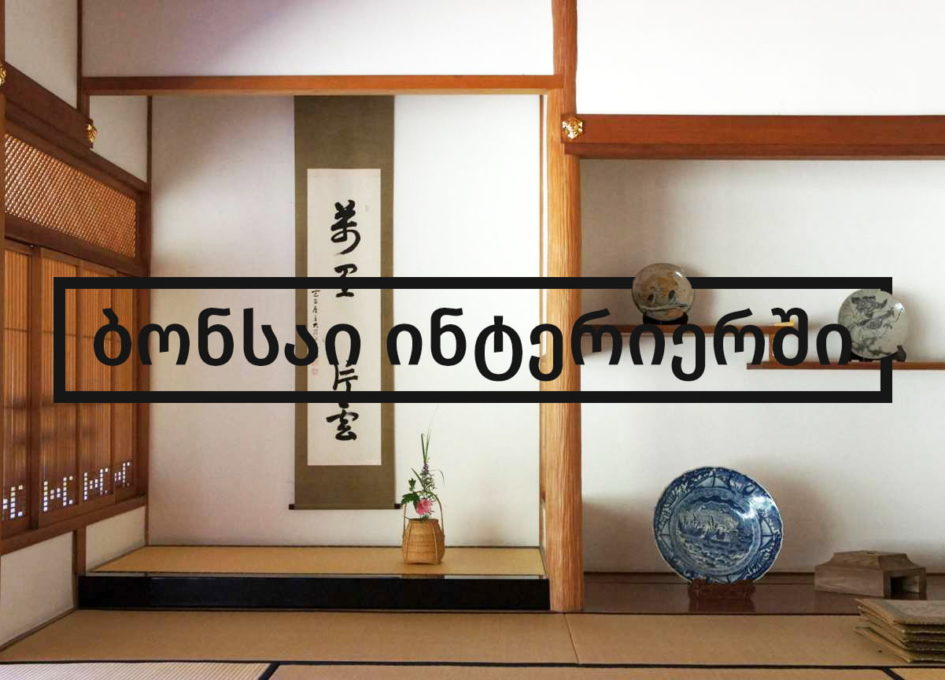
Bonsai display in interior design

   In a traditional Japanese house, there is a special area, a small niche, called tokonoma. The tokonoma is a key feature of the Japanese aristocratic home. This area is dedicated to displaying traditional engravings, calligraphic sayings, or ikebana (Japanese flower arrangements). Additionally, it has become a tradition to place a bonsai in the tokonoma. An ideal place for displaying a bonsai: a secluded, almost empty spot where the bonsai can be placed...

Learn more »

From a semi-dried sapling to a Bonsai

This is one of the difficult ones, one of five plants in a large pot, known as a cassette. Its height was one meter. The plant has come a long way, it was brought here from a nursery in Italy. About a month after arrival, the plants started drying out. Only one of them kept a few green branches. Five years ago, at the end of February, I decided to save the plant by[…]

Learn more »

ბონსაი თუთა

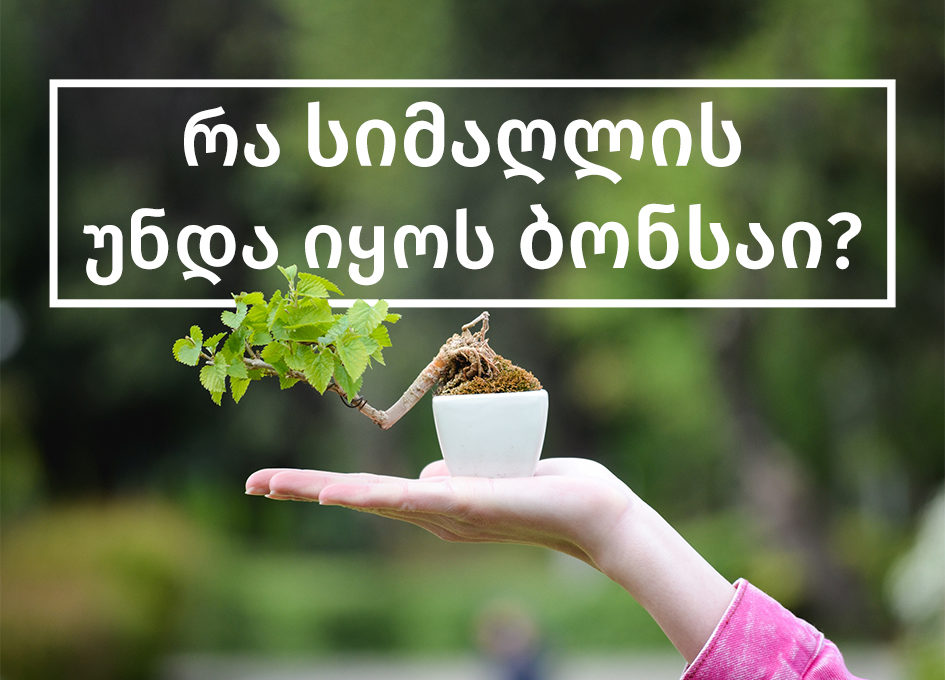
Size of Bonsai

“What should be the height of a Bonsai?” There is no precise, mathematically defined answer to this question. A Bonsai can be as small as 5 centimeters or as “giant” as 2 meters tall. There is a traditional classification of Bonsai sizes with corresponding Japanese terminology:

  • Keishi 2.5 cm (Miniature)
  • Shito 7.5 cm (Very small)
  • Mame 15 cm (Small)
  • Shohin [size continues...]

Learn more »

ასაკი ≈ 40 წელი. სიმაღლე: 50 სმ

Bonsai Care (Oriental Hornbeam)

Location: Hornbeam is not an indoor plant, so it should be outdoors for most of the year. It is a light-loving plant. Place it in a well-lit area, but protect it from the scorching midday sun in summer. From June to August, you can keep it indoors in a well-lit spot. However, starting from September, it must be moved back outside. Watering: Bonsai requires regular and diligent watering. In nature, the plant's roots grow deep into the ground […]

Learn more »

თუთა

Bonsai Care (Mulberry)

Mulberry is not an indoor plant, so it should be kept outside for most of the year. It is a light-loving plant. Place it in a well-lit area, but protect it from the scorching midday sun, especially in the summer. From June to August, you can keep it indoors in a well-lit location. However, starting from September, be sure to move it outside again. Bonsai requires regular and diligent watering. In nature, the plant's roots grow deep into the soil...

Learn more »

სიმაღლე: 15 სმ

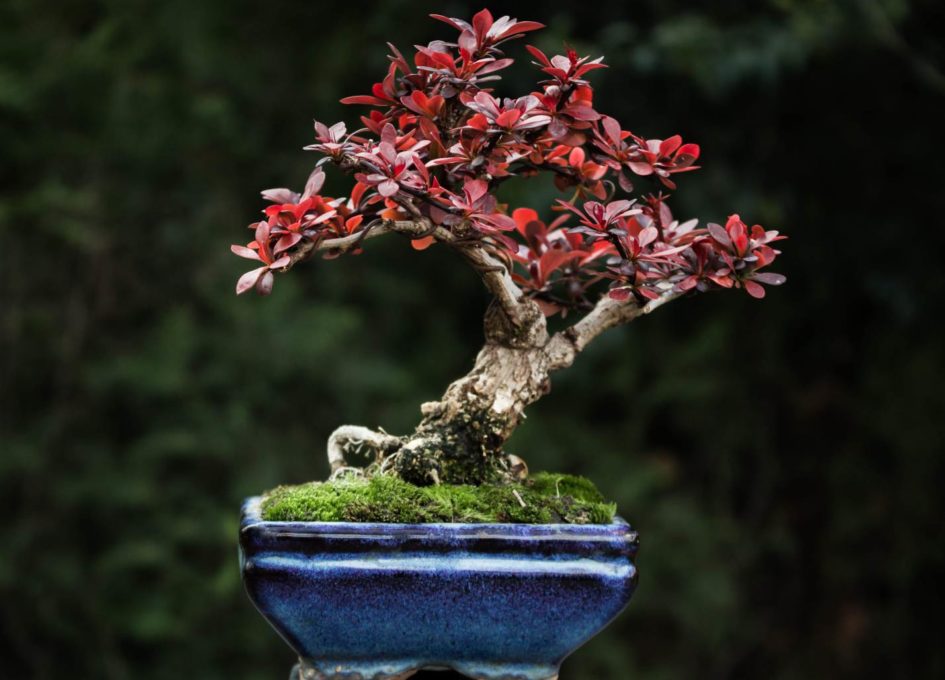
Bonsai Care (Barberry)

Location: Barberry is not an indoor plant, so it should be outdoors for most of the year. It is a light-loving plant. Place it in a well-lit area, but protect it from the scorching midday sun in summer. From June to August, you can keep it indoors in a well-lit spot. However, starting from September, it must be moved back outside. Watering: Bonsai requires regular and diligent watering. In nature, the plant's roots grow deep into the ground […]

Learn more »

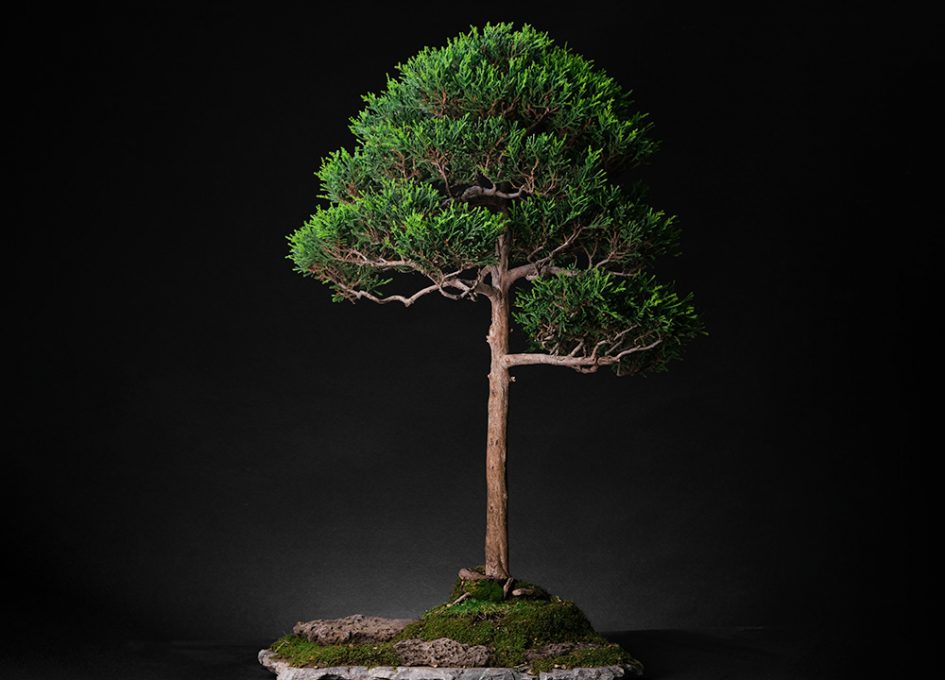
ასაკი ≈ 15 წელი. სიმაღლე: 45 სმ

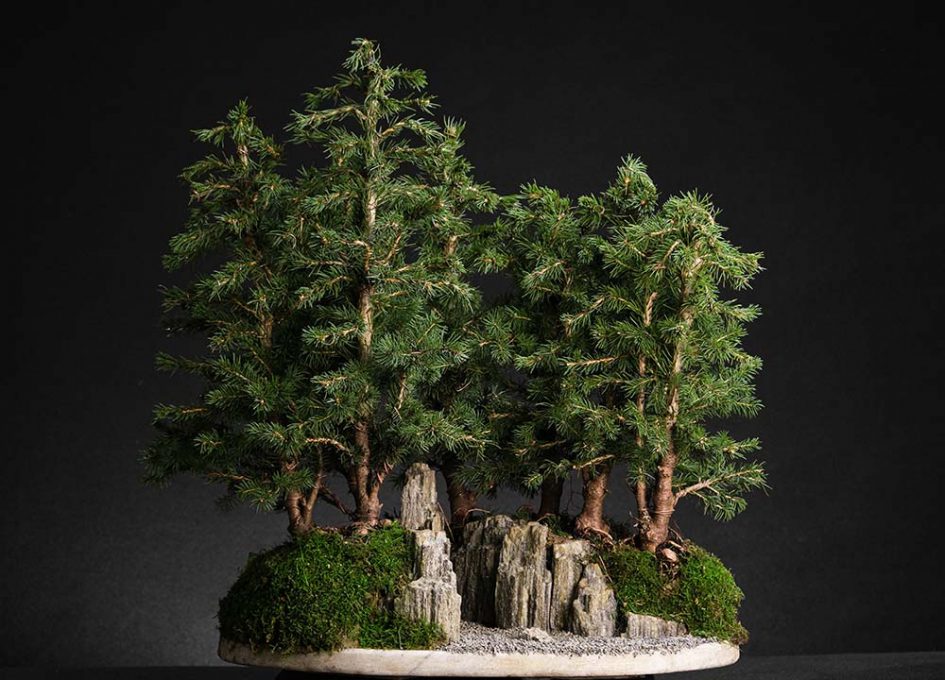
Bonsai care (Canadian Spruce)

The Canadian Spruce (Picea glauca conica) is not an indoor plant, so it should be outdoors for most of the year. Place it in a well-lit area, but in the shade; it does not like direct sunlight, especially in the summer. For better effectiveness, the bonsai should be placed separately. Choose a spot where the miniature plant will be clearly visible and not "shaded" by other items. First, the bonsai should be positioned in such a way that the observer can clearly view the front, which is the most effective side of the plant...
Learn more »

რცხილა

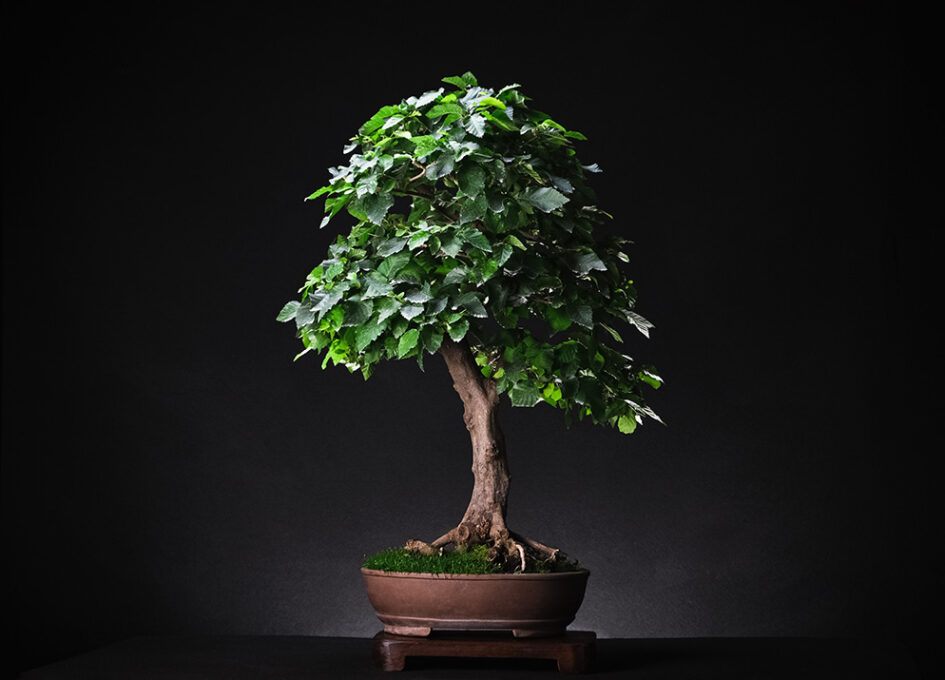
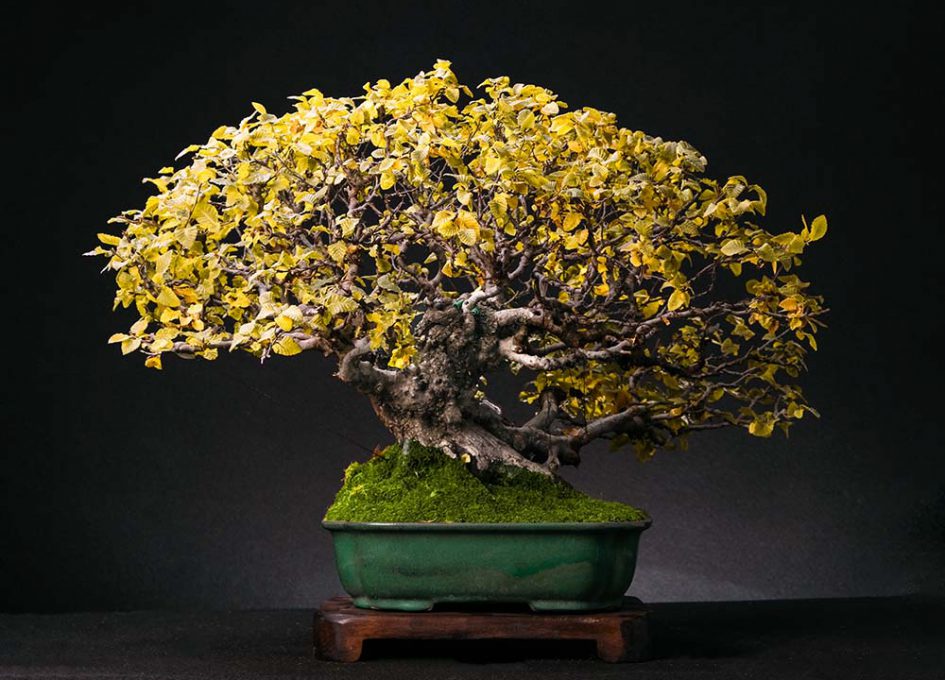
Bonsai care (Hornbeam)

Location: Hornbeam is not an indoor plant, so it should spend most of the year outdoors. It is a light-loving plant. Place it in a well-lit area but shield it from the intense midday sun during summer. From June to August, you can keep it indoors in a well-lit spot. However, starting from September, it must be taken back outside. Watering Bonsai requires regular and careful watering. In nature, the plant’s roots grow deep into the soil. [...]

Learn more »

ასაკი ≈ 15 წელი. სიმაღლე: 40 სმ

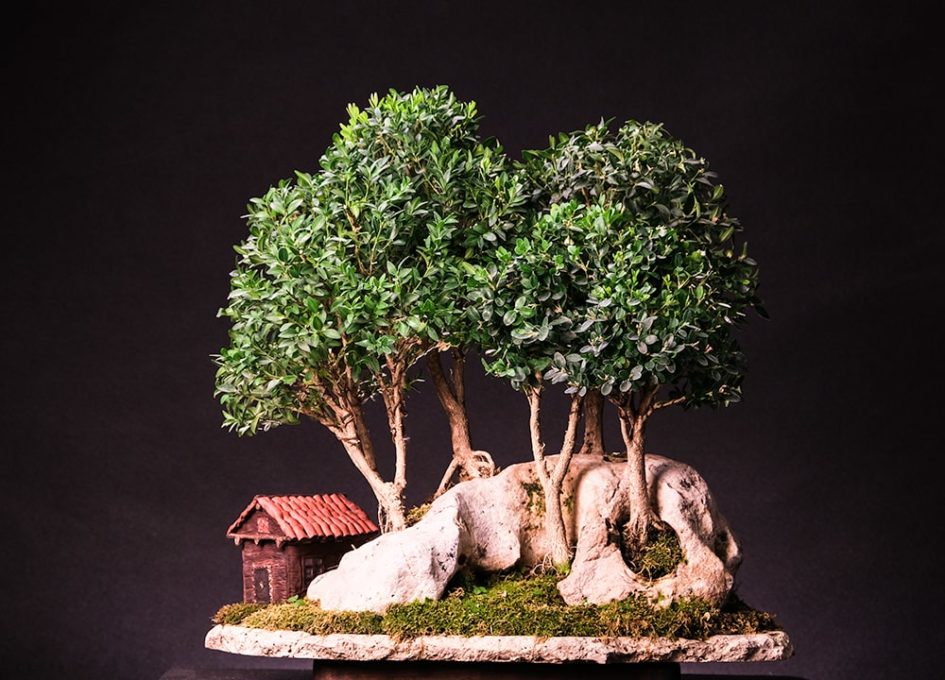
Bonsai Care (Boxwood)

Boxwood is not an indoor plant, so it should be kept outside most of the year. It is a shade-loving plant. Place it in a well-lit location, but avoid direct sunlight, especially in the summer. From June to August, you can keep it indoors in a well-lit spot. Starting from September, make sure to place it outside again. Bonsai requires regular and attentive watering. In nature, the plant's roots grow deep in the soil...

Learn more »

სიმაღლე: 30 სმ

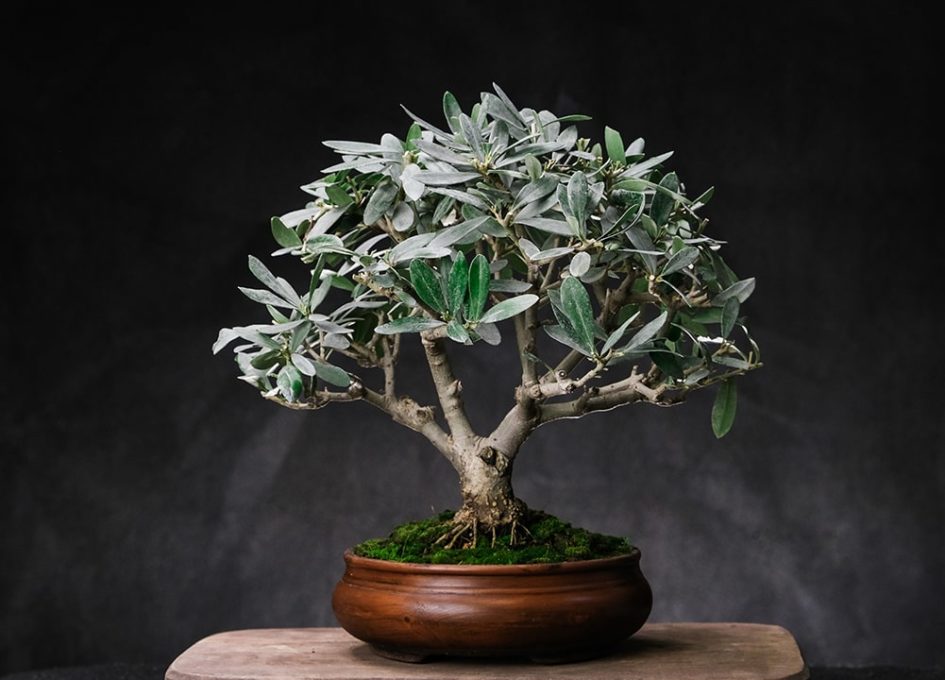
Bonsai care (Olive)

Location: The olive is not an indoor plant and should be kept outside for most of the year. It is a shade-loving plant. Place it in a well-lit area but avoid direct sunlight, especially in summer. From June to August, you can keep it indoors in a well-lit spot. However, starting in September, it must be returned outdoors. The olive adapts well to Tbilisi's climate. Watering: Bonsai requires regular...

Learn more »

ასაკი ≈ 20 წელი. სიმაღლე: 40 სმ

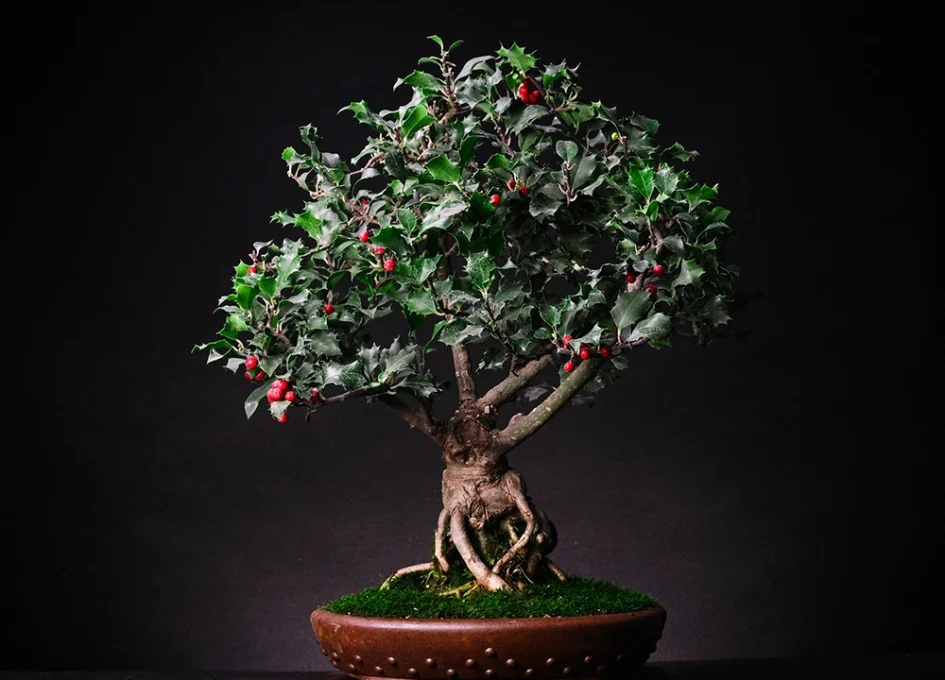
Bonsai Care (Holly / Ilex)

Location: Holly is not an indoor plant, so it should be outdoors for most of the year. It is a light-loving plant. Place it in a well-lit area, but protect it from direct sunlight, especially in summer. From June to August, you can keep it indoors in a well-lit spot. However, starting from September, it must be moved back outside. Holly tolerates the climate of Tbilisi well. Watering: Bonsai requires regular […]

Learn more »

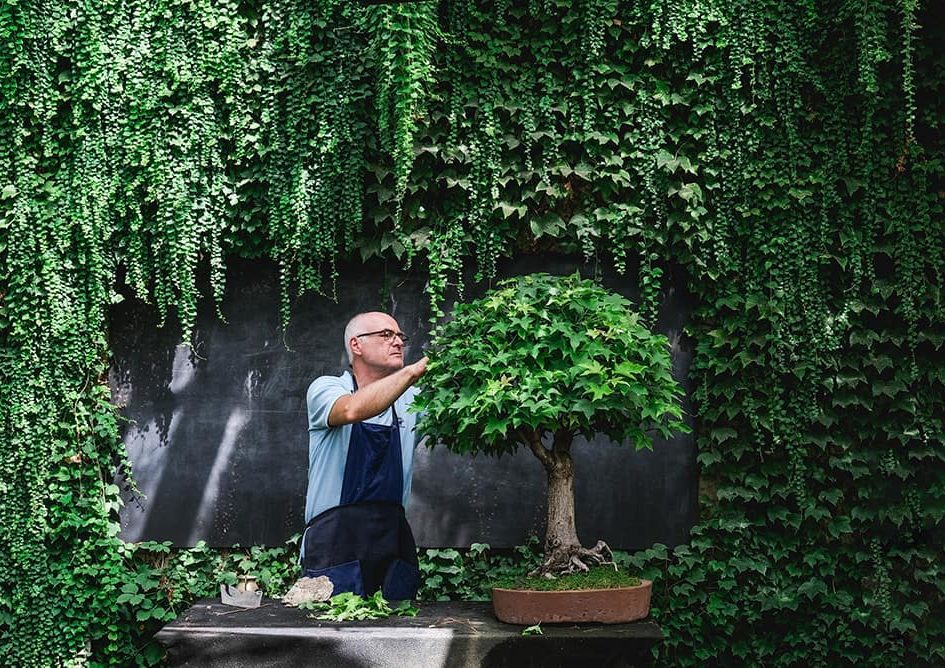
About me

   I first became interested in miniature trees at the age of 13 or 14, after watching a brief television report. It seemed quite strange and fascinating how an ordinary tree could be grown in a small pot to be just a few centimeters tall, naturally beautiful, and, most intriguingly, bear regular fruit. After graduating from the institute, I decided to seriously […]

Learn more »

ასაკი ≈ 35 წელი. სიმაღლე: 60 სმ

What Is Bonsai?

   Bonsai (盆栽) is a Japanese word, where "bon" means a small pot, and "sai" means plant (a plant grown in a small container). Bonsai is the Japanese art of growing miniature trees using special techniques. Through this technique, the tree remains small in size while acquiring the natural, perfected appearance of an aged tree. Bonsai is not just gardening. Working with bonsai requires great attention, time, knowledge of care, and […]

Learn more »

ასაკი ≈ 25 წელი. სიმაღლე: 60 სმ

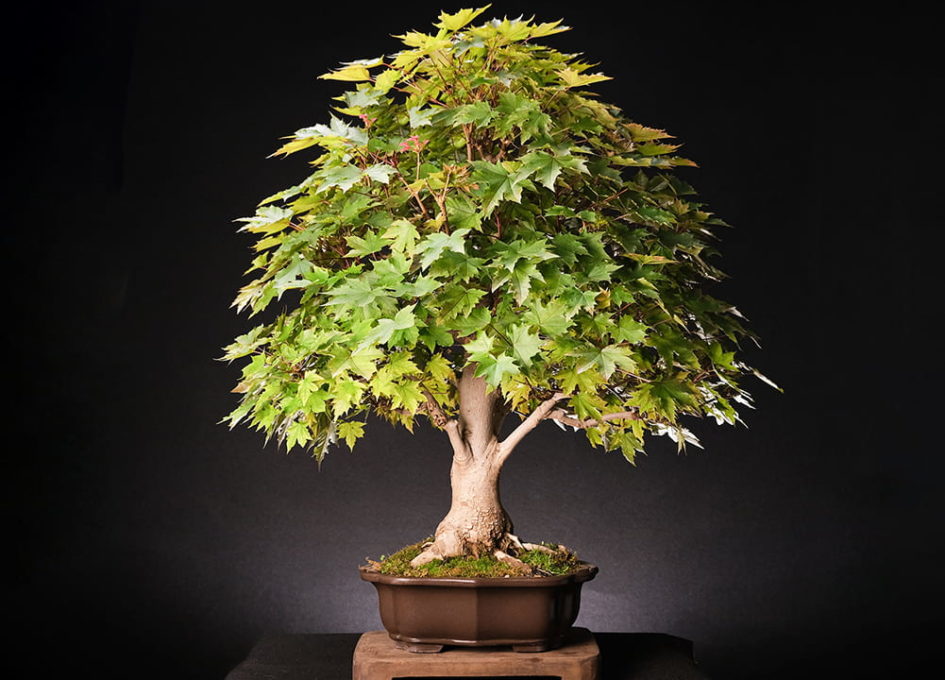
Bonsai care (Maple)

Location: The maple is not an indoor plant, so it should be kept outside for most of the year. It is a light-loving plant. Place it in a well-lit area, and in summer, protect it from the midday scorching sun. From June to August, you can keep it indoors in a well-lit spot. However, starting in September, it should definitely be placed back outside. Watering: Bonsai requires regular and diligent watering. In nature, the plant's roots grow deep into the soil...

Learn more »

სიმაღლე: 20 სმ

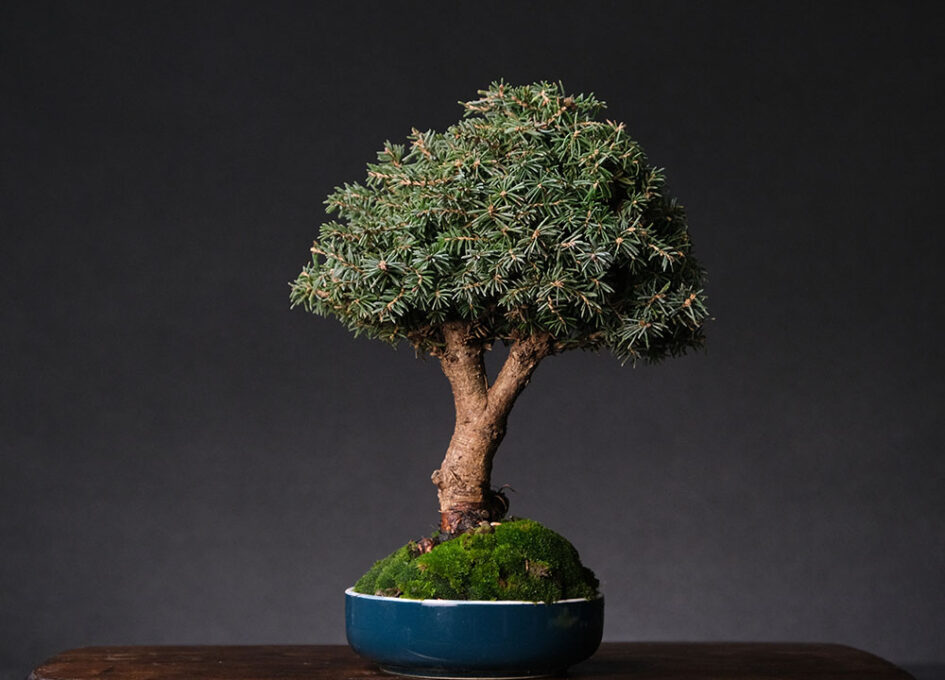
Taking care of bonsai (spruce)

The spruce is not an indoor plant, so it should be kept outside for most of the year. Place it in a well-lit sunny spot, but protect it from the intense summer sun. For better effect, the bonsai should be positioned separately. Choose a place where the miniature tree can stand out and won’t be “overshadowed” by other objects. First and foremost, the bonsai should be placed in a way that allows the observer to clearly view the front...

Learn more »

ასაკი ≈ 25 წელი. სიმაღლე: 40 სმ

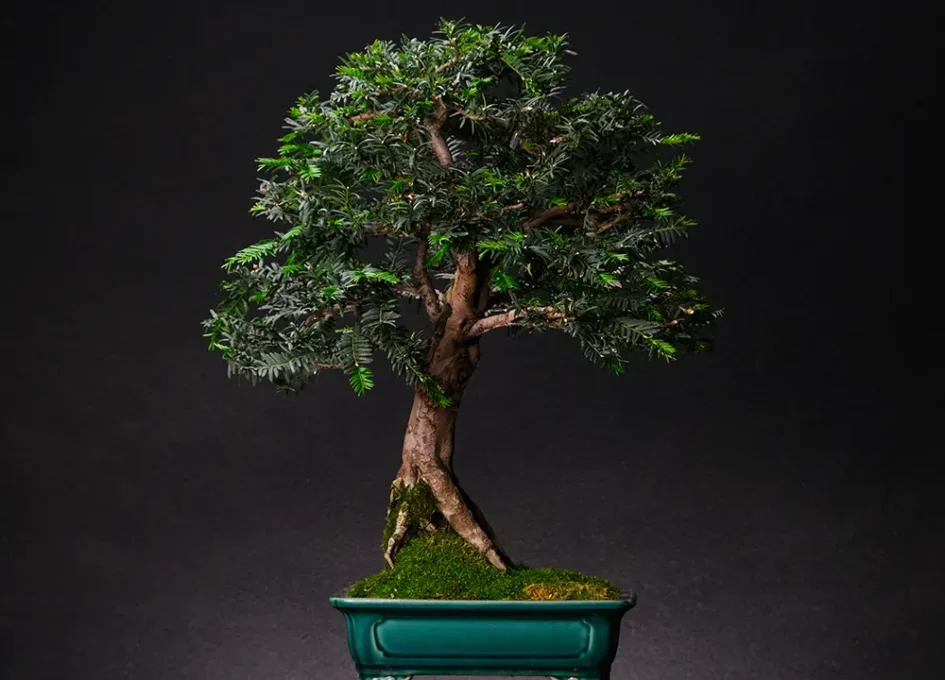
Taking care of Bonsai (yew)

The elm is not an indoor plant, so it should be kept outside for most of the year. Place it in a well-lit area, but in the shade, as it doesn’t like direct sunlight, especially during the summer. For better effect, the bonsai should be positioned separately. Choose a spot where the miniature tree can stand out and won’t be “overshadowed” by other objects. First and foremost, the bonsai should[…]

Learn more »

ასაკი ≈ 15 წელი. სიმაღლე: 50 სმ

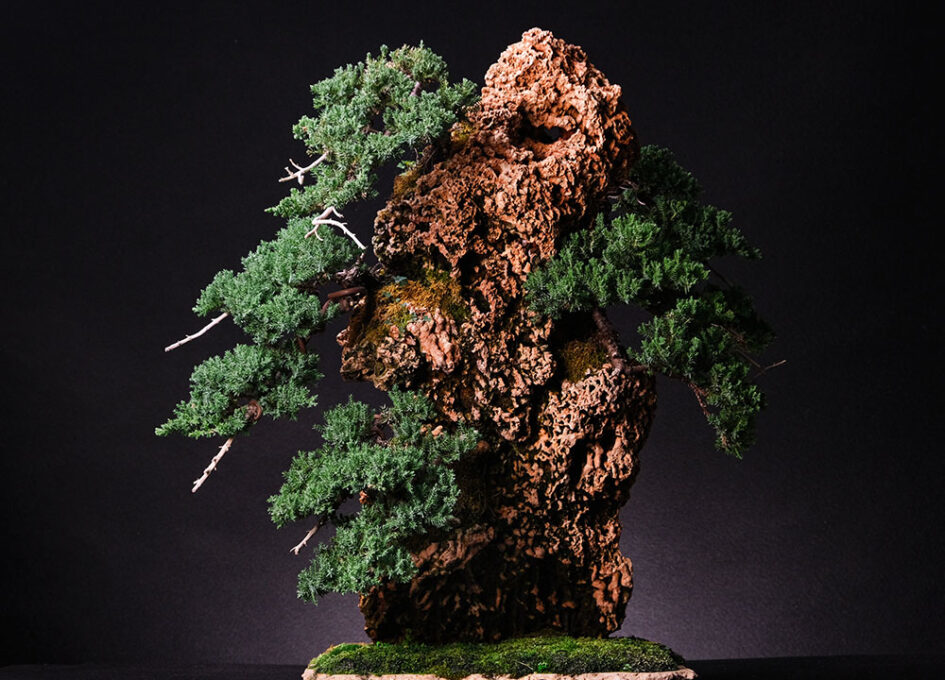
Taking care of Bonsai (juniper on a rock)

Juniper is not an indoor plant and should be outdoors most of the year. It thrives in sunlight but also grows well in partial shade. Place it in a well-lit spot, avoiding direct midday sun during summer. From June to August, it can be kept indoors in a well-lit area, but it must be moved back outdoors by September. Juniper bonsai requires regular and careful watering to ensure healthy growth...

Learn more »

ასაკი ≈ 30 წელი. სიმაღლე: 80 სმ

Bonsai care (Cypress)

Location: Cypress is not an indoor plant, so it should be kept outside for most of the year. It is a light-loving plant, but it also grows well in partial shade. Place it in a well-lit area, but in the summer, keep it away from the harsh midday sun. From June to August, you can keep it indoors in a well-lit spot. From September onwards, be sure to move it back outside. Watering: Regular and careful watering is essential for bonsai...

Learn more »

ასაკი ≈ 20 წელი. სიმაღლე: 40 სმ

Bonsai care (Juniper)

Juniper is not an indoor plant and should be outdoors most of the year. It thrives in sunlight but also grows well in partial shade. Place it in a well-lit spot, avoiding direct midday sun during summer. From June to August, it can be kept indoors in a well-lit area, but it must be moved back outdoors by September. Juniper bonsai requires regular and careful watering to ensure healthy growth...

Learn more »