The history of bonsai
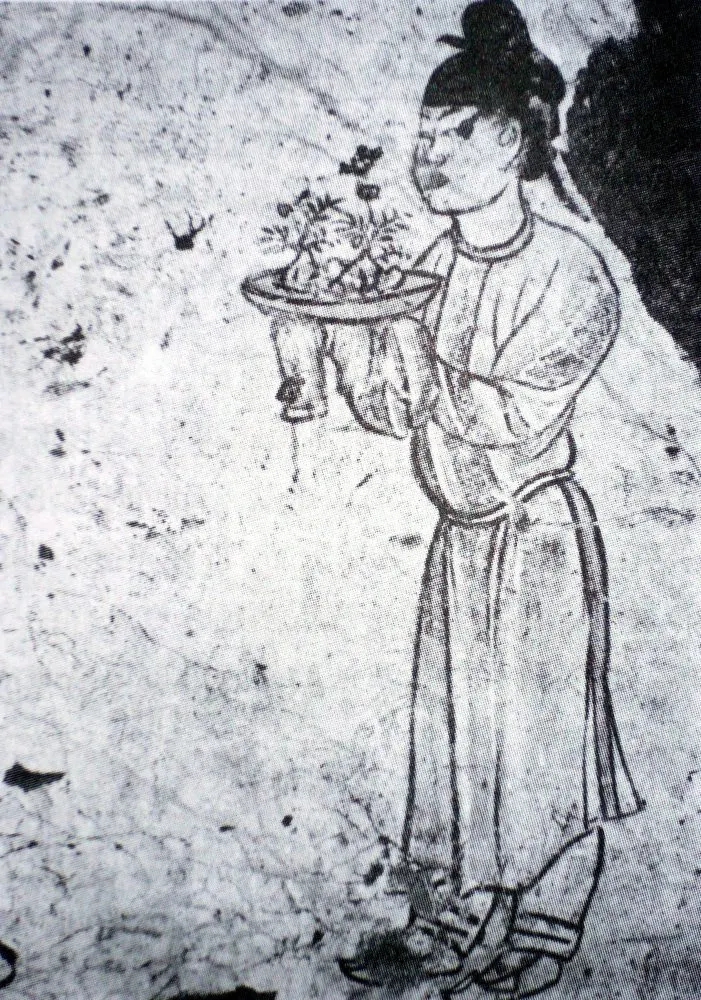
There is a view that growing miniature trees in pots began in ancient Egypt. The Hanging Gardens of Semiramis in ancient Babylon might also be considered a forerunner of bonsai. But modern, classical bonsai undoubtedly originated in China. The exact date when people began growing miniature trees in pots is unknown. In 1972, the tomb of Prince Zhang Huai (who died in 706) was discovered in China. On the tomb wall there is a painting of a servant holding a miniature landscape in a pot, with small stones and trees. This is the earliest surviving image of miniature trees planted in a pot.
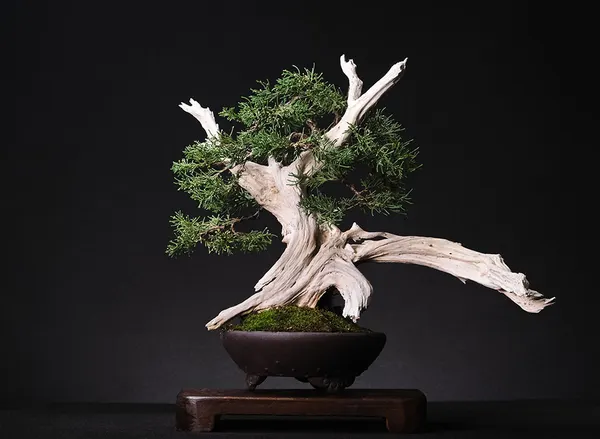
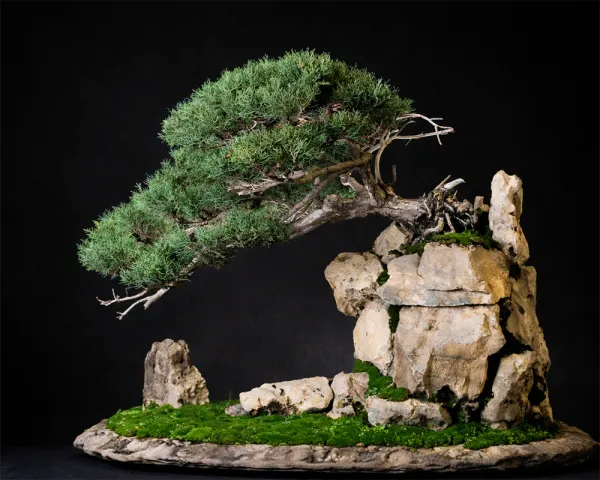
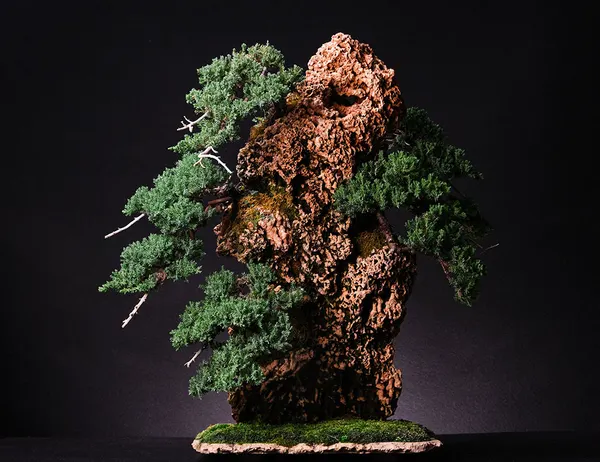
Rocky ground and a harsh mountain climate keep a tree from developing normally. A tree grown in such conditions as a rule can’t grow large. Its trunk, branches and roots are strangely contorted. It is believed that in China, to create the early miniature landscapes, people collected exactly these kinds of trees and planted them in small pots.
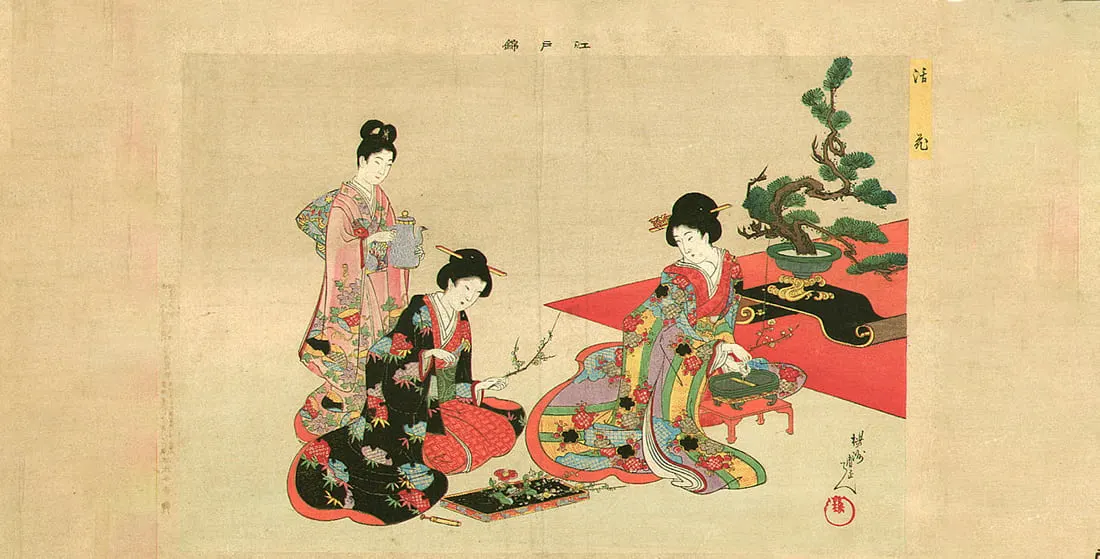
In time, the culture of creating miniature trees spread to Japan, presumably through specimens brought over from China by Buddhist monks and diplomats (7th–9th centuries). The oldest Japanese painting showing a miniature tree in a pot dates from the 12th century. Hachinoki was the term used in Japan for miniature trees by the 14th century.
At the end of the 18th and the beginning of the 19th century, the Japanese were already styling miniature trees, and this became the beginning of the classical bonsai tradition. The culture of growing small trees in pots was by then firmly established in Japanese tradition. Because they were rare and expensive, owning miniature trees was the privilege of the elite.
At the beginning of the 19th century (the exact date is unknown), specialists gathered in the Japanese city of Itami and decided to work out ways of developing the creation of miniature trees. They replaced all the earlier terms (used to name miniature trees planted in pots) with the word bonsai. The term, however, failed to catch on, as they say, for almost a century.
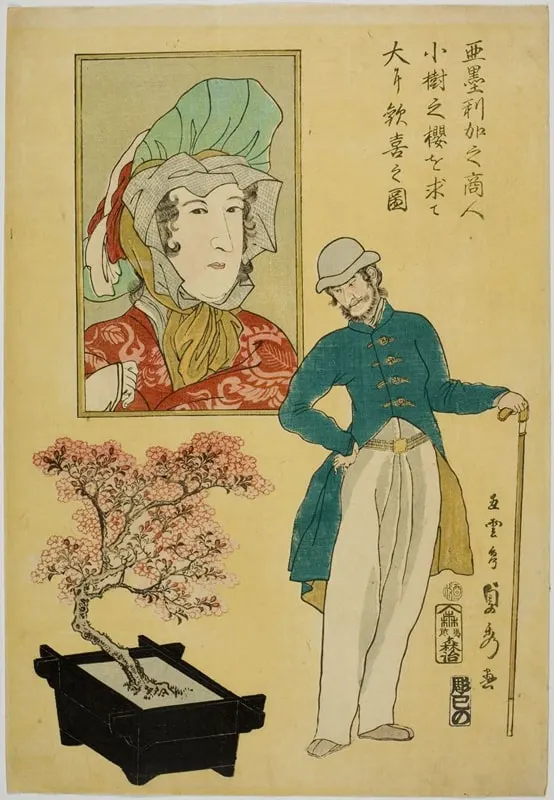
After the reforms of 1866–1869 (the so-called Meiji Revolution, when Japan went through major political and social change), a period of active development of bonsai began. By then Japan, after two centuries of complete isolation, had opened its borders to the rest of the world, which helped bonsai spread to other countries. In 1900, at the World’s Fair in Paris, Europe effectively saw bonsai for the first time. At first the West did not receive bonsai particularly well. But opinion gradually changed, and by the end of the 1930s it was already regarded as one of the art forms.
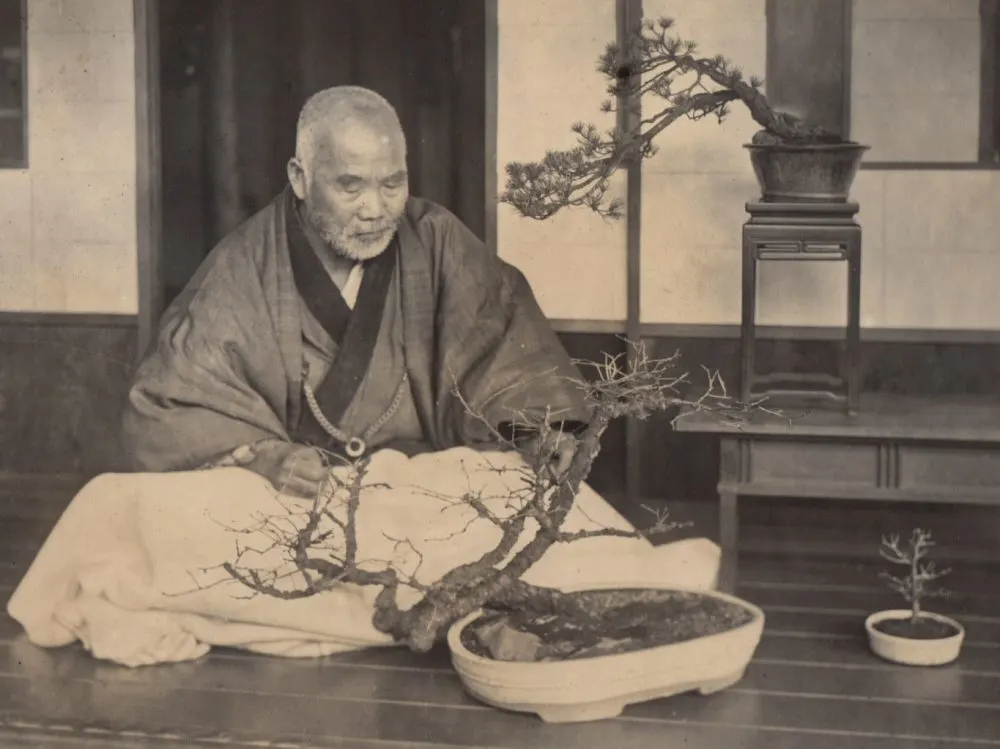
It is said that after the end of World War II there were cases of American soldiers returning home bringing bonsai with them from Japan. But because they didn’t know how to care for them properly, these trees soon declined. It took the West quite some time to learn how to create bonsai, and if bonsai is popular today, that is probably thanks first and foremost to Japanese people living in the West.
Vietnam and Korea have traditions similar to bonsai. Koreans believe that the tradition of miniature landscapes and trees spread from China first to Korea and only then to Japan. As for China, the art of miniature trees and landscapes there is now called penjing (盆景 landscape in a pot) and penzai (盆栽 potted plant), and it differs slightly from classical Japanese bonsai. The term bonsai itself, as many historians of bonsai point out, is the Japanese pronunciation of the Chinese term penzai.
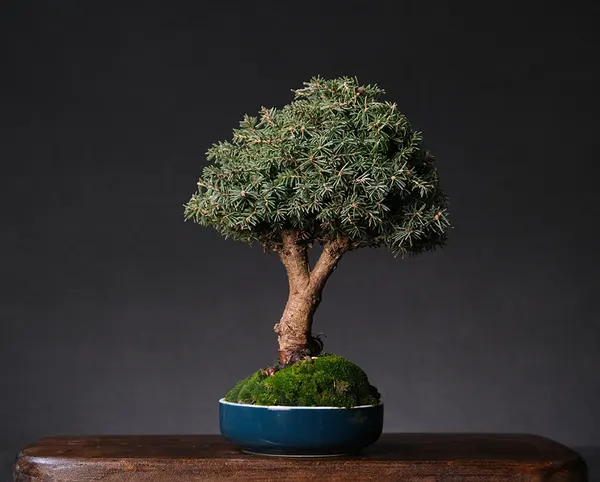
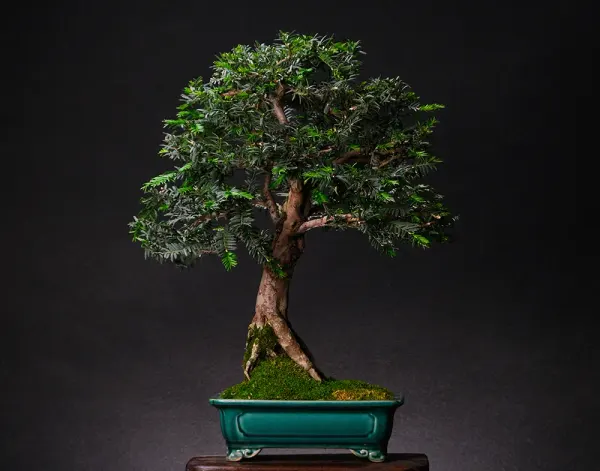
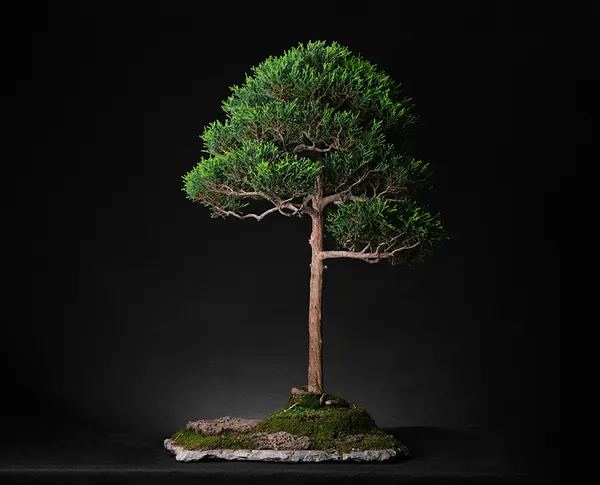
Today bonsai is widespread all over the world. There are shops, schools, books, enthusiasts’ clubs and countless websites offering both instructional information and commercial offers, a wealth of photographs, advice on styling materials and tools, and much more. In short, bonsai is becoming more and more popular every year.
Such popularity has its downside. Mass production of bonsai for commercial purposes has produced a great deal of low-quality stock. Bonsai are sold in supermarkets and plant shops, and can even be ordered online. As the saying goes, there’s no accounting for taste, but very often the plants put on sale were not created with the bonsai tradition in mind. Such a miniature plant can only loosely be called a bonsai, simply because it is small and grows in a pot. Creating a real bonsai takes a great deal of time and experience, which is why such specimens are still quite rare even today.