
Blog
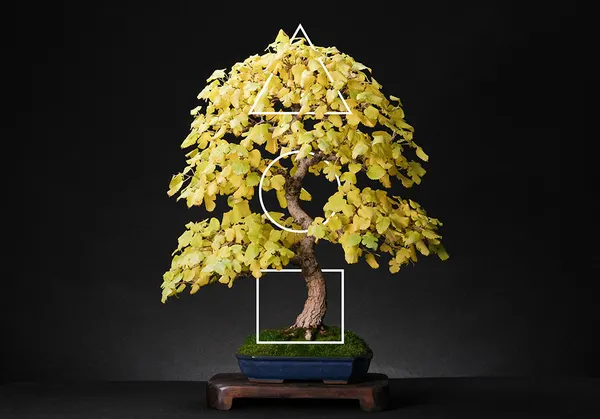
Bonsai aesthetics
A distinctive way of life, traditional painting, gardening, philosophy and probably many other factors laid the foundation for bonsai to develop as one of the art forms of Japanese culture. China has…
Learn more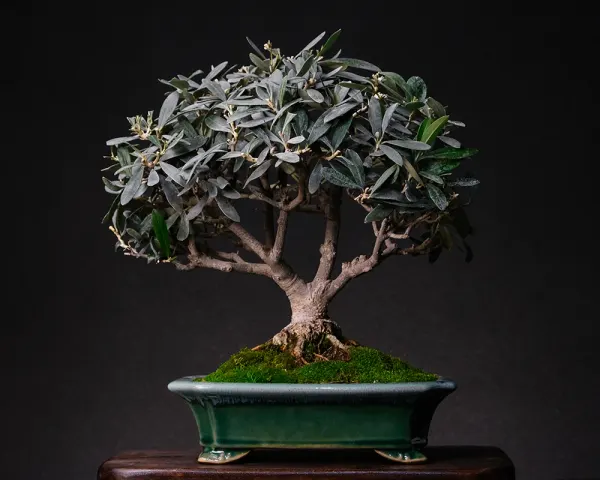
Olive bonsai — one example
When a bonsai's new owner looks after the tree well, it is not just an emotional pleasure for us. It has a practical side, too. A beautiful, well-cared-for bonsai that you see at a friend's or an…
Learn more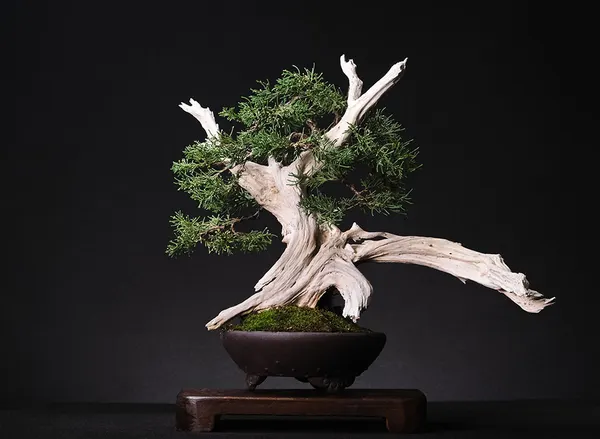
Artificial “aging” of bonsai (deadwood)
Very often, part of a tree is damaged by the forces of nature. This happens after a lightning strike or a long drought. Branches also break under the weight of snow or in strong winds, or diseases…
Learn more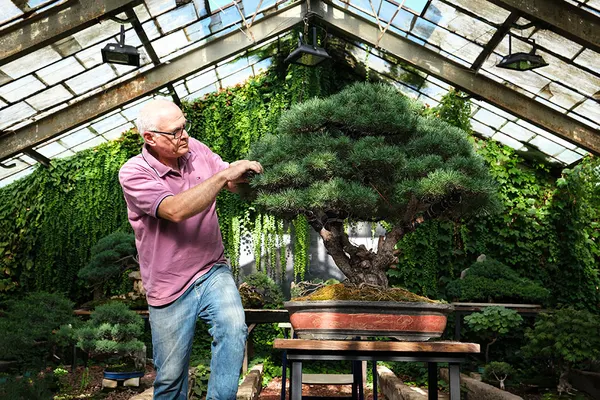
Artificial “aging” of bonsai and various styling techniques (thick trunk and canopy)
If we look closely at trees growing in nature, we see that the most beautiful and striking ones are those that are several decades old. The aim of creating a bonsai is precisely to give a small young…
Learn more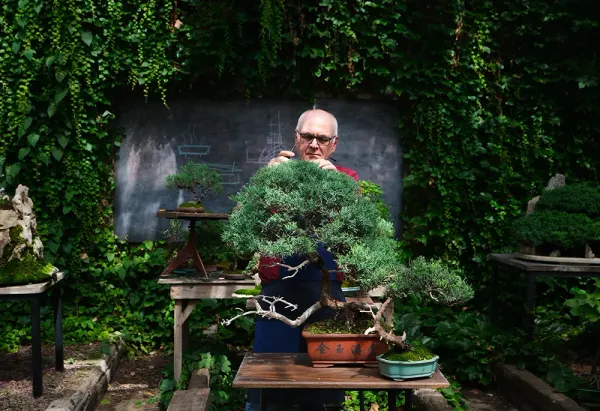
Refining a bonsai's shape and keeping it miniature (conifers)
Once the first stage of styling is complete (all unwanted primary and secondary branches have been cut off and the branches wired into the desired positions), we need to turn our attention to…
Learn more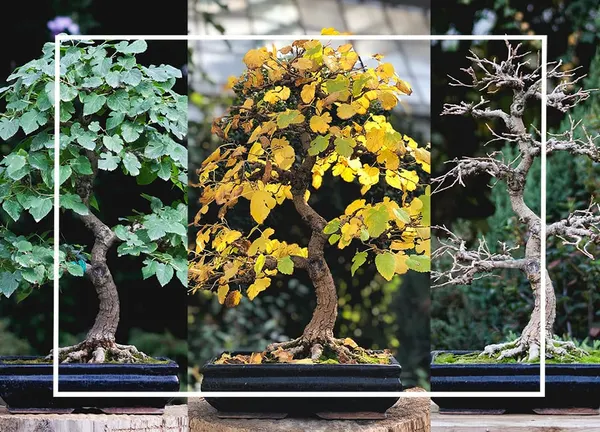
Refining a bonsai's shape and keeping it miniature (deciduous trees)
Once the first stage of styling is complete (all unnecessary primary and secondary branches have been cut, and the branches have been wired into the desired position), we need to turn our attention…
Learn more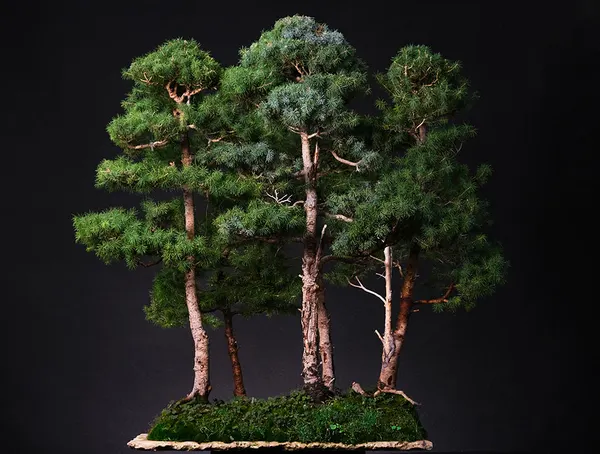
Creating different bonsai styles. The forest. Yose-ue (寄せ植え) and Kabudachi (株 立)
Yose-ue (寄せ植え) The Yose-ue style is a miniature model of a small forest. Groups of trees like this can be found in any climate zone. Making a bonsai in this style has its advantages. You can use…
Learn more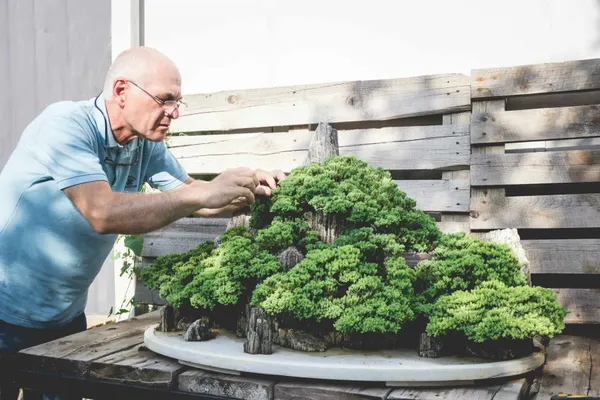
The particulars of creating different bonsai styles. Miniature landscape. Saikei (栽景)
Saikei is the creation of a miniature landscape using stones, soil, water, herbaceous plants, moss and small trees. A saikei should create the illusion of harmoniously composed nature in miniature.…
Learn more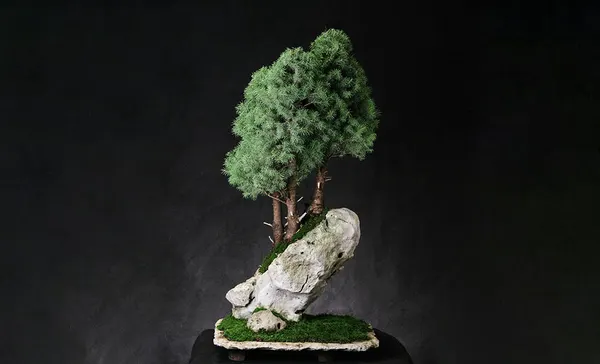
Creating different bonsai styles. Composition on stone. Ishitsuki (石付) and Seki-joju (石 上 樹)
Compositions on stone can be divided into two types: Ishitsuki (石付), where the roots are entirely in the stone, and Seki-joju (石 上 樹), where the tree's roots wrap around the outside of the stone.…
Learn more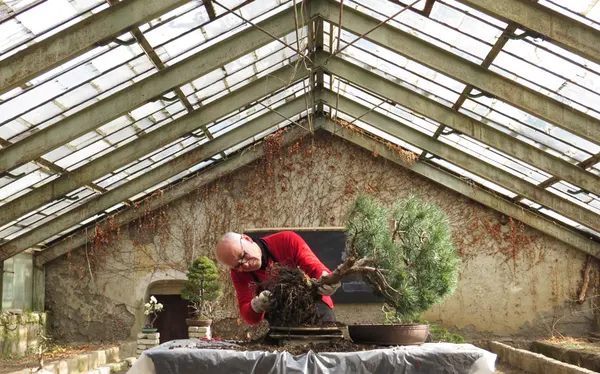
Bonsai roots
The main function of roots is to supply the plant with water and nutrients and to anchor it in the soil. In a bonsai, though, roots have a decorative purpose as well as a functional one. A bonsai…
Learn more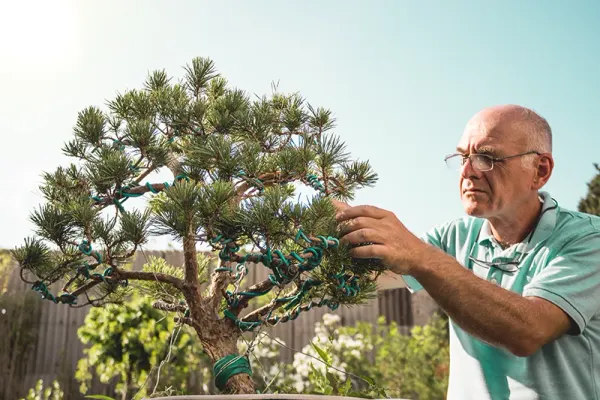
Protecting bonsai in summer
In summer, when air temperatures are very high, a bonsai can be damaged or even die unless we take special measures to protect it. A tree cools itself through its leaves, by evaporating water. At…
Learn more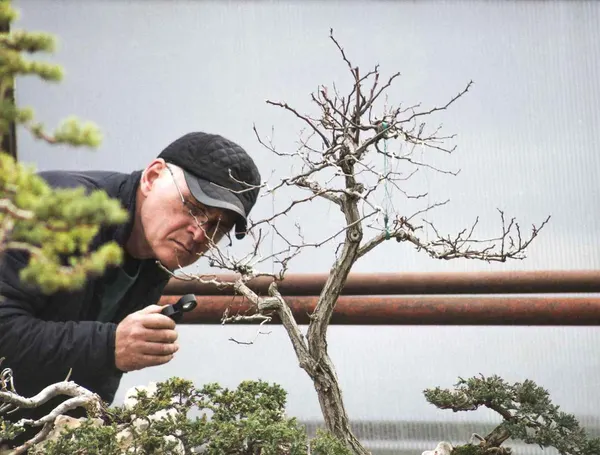
Bonsai care (diseases and pests)
Diseases and pests Like any garden plant or houseplant, a bonsai can fall ill and be attacked by various harmful insects. Keeping an eye on the plant's condition is a daily task for the bonsai…
Learn more